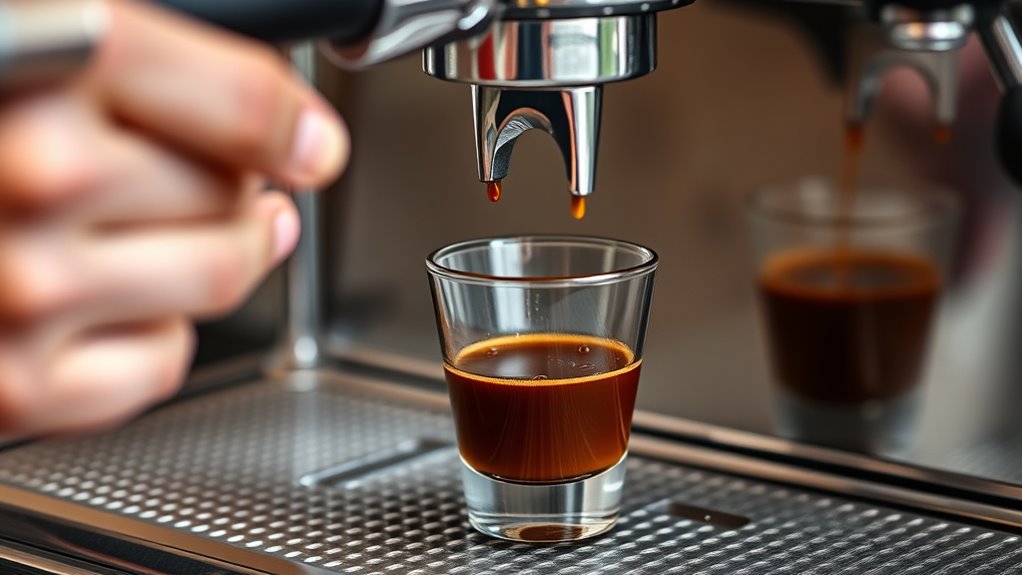
To optimize your espresso extraction, aim for a brew time of 25-30 seconds, with a yield of about 1 to 1.5 ounces per shot. You should target a Total Dissolved Solids (TDS) of around 8-12%, which indicates proper extraction. Adjust grind size and temperature to control these variables, ensuring a balanced, flavorful shot. Continue exploring these factors to understand how to fine-tune your process for perfect espresso every time.
Key Takeaways
- Optimal espresso extraction time is typically 25-30 seconds for balanced flavor.
- Yield refers to the amount of espresso produced, usually 1 to 2 ounces per shot.
- TDS (Total Dissolved Solids) indicates coffee strength; ideal TDS ranges from 8% to 12%.
- Adjust grind size and temperature to control extraction time and TDS for desired flavor.
- Consistent extraction parameters ensure optimal yield, TDS, and overall shot quality.
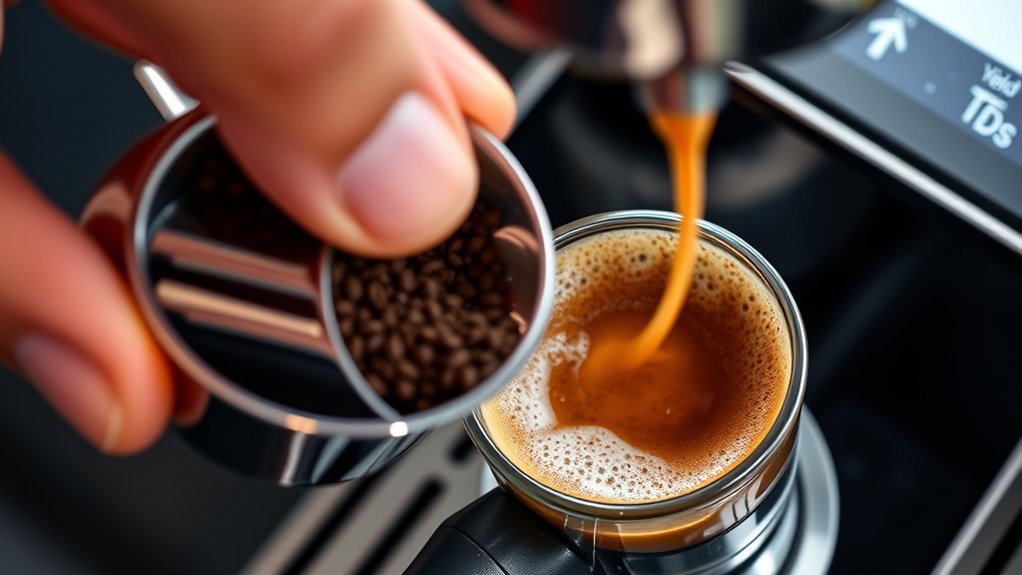
Espresso extraction is the process of forcing hot water through finely ground coffee under pressure to produce a rich, concentrated shot of coffee. To get the best results, you need to pay close attention to factors like grind size and water temperature. Your grind size plays a vital role because it directly affects how water interacts with the coffee. If the grind is too coarse, water will flow too quickly through the grounds, resulting in under-extraction, a weak and sour flavor. Conversely, if the grind is too fine, water struggles to pass through, leading to over-extraction, which can produce a bitter and harsh taste. You want a grind size that balances resistance, allowing water to flow at a steady rate and extract ideal flavors. Typically, a very fine grind, almost powdery, works best for espresso, but you should adjust based on your machine and taste preferences. Consistent temperature control is essential for achieving optimal extraction results and a balanced flavor profile.
Water temperature is another key factor in espresso extraction. Ideally, you want water heated between 195°F and 205°F (90°C to 96°C). If the water is too hot, it can burn the coffee grounds, leading to a bitter and over-extracted shot. On the other hand, if the water isn’t hot enough, extraction will be incomplete, resulting in a sour or underdeveloped flavor. Maintaining a consistent water temperature ensures that the coffee’s soluble compounds are properly dissolved, giving you a well-rounded shot with balanced acidity, sweetness, and body. Many espresso machines have temperature controls, but if you’re using a manual setup, it’s worth preheating your equipment and using a thermometer to monitor water temperature closely.
Getting the grind size and water temperature right requires some experimentation. Start with a fine grind and a water temperature around 200°F, then pull a shot. If it’s too sour or weak, try a slightly coarser grind or increase the temperature slightly. If it’s overly bitter or harsh, go finer or lower the temperature. Adjustments should be small and deliberate, as small changes can greatly impact extraction time, yield, and total dissolved solids (TDS). Remember, the goal is a shot that takes about 25-30 seconds to extract, with a rich, velvety crema on top. Proper control over grind size and water temperature allows you to fine-tune your espresso, ensuring each shot is balanced, flavorful, and satisfying.

SHARDOR Espresso Machine 20 Bar, Professional Espresso Machine with Milk Frother and Touchscreen, Expresso Coffee Machines with Adjustable Temperature,for Cappuccino, Latte
Professional 20 Bar Pressure System: This semi-automatic espresso maker has a 20-bar pump and a powerful 1350W motor,…
As an affiliate, we earn on qualifying purchases.
As an affiliate, we earn on qualifying purchases.
Frequently Asked Questions
How Does Altitude Affect Espresso Extraction?
Altitude effects your espresso extraction because higher elevations often mean beans are less dense due to lower atmospheric pressure. This can cause water to flow faster through the coffee grounds, leading to under-extraction if you don’t adjust your grind or brew time. You might need to grind finer or extend extraction time to compensate. By understanding altitude effects and bean density, you can tweak your process for a balanced, flavorful shot.
What Impact Does Water Temperature Have on Extraction Quality?
Think of water temperature like a dance partner—if it’s too hot or too cold, the dance falters. Higher water temps improve extraction quality by dissolving more flavor compounds, but too hot can scorch your coffee, ruining flavor and consistency. Water chemistry also plays a role, affecting extraction consistency. When you calibrate the right temperature, you guarantee a balanced, flavorful shot every time, much like a well-choreographed dance.
Can Different Coffee Bean Origins Change Optimal Extraction Parameters?
Yes, different coffee bean origins can change your ideal extraction parameters. You need to contemplate coffee varietals and roasting profiles because they influence flavor and solubility. For example, beans from Ethiopia might require a slightly different grind size and extraction time than Colombian beans. Adjust your parameters accordingly to highlight the unique characteristics, ensuring a balanced and flavorful espresso tailored to each origin.
How Does Grind Size Influence Extraction Time and Yield?
Your grind size acts like a master puppeteer, dramatically pulling the strings on extraction time and yield. When you make grind size adjustments, you can either speed up or slow down extraction, ensuring it’s perfectly timed. Finer grinds increase extraction time and boost yield, while coarser grinds do the opposite. By fine-tuning grind size, you maintain consistent extraction, revealing the full potential of your espresso shot every single time.
What Are the Signs of Over-Extraction Versus Under-Extraction?
You’ll notice over-extraction causes a bitter, harsh flavor, while under-extraction results in sour, weak coffee. Signs include flavor imbalance and poor extraction consistency. If your shot is overly bitter or too strong, it’s likely over-extracted; if it’s sour or watery, it’s under-extracted. Adjust your grind size and extraction time to balance flavors, ensuring consistent results and a well-rounded espresso.
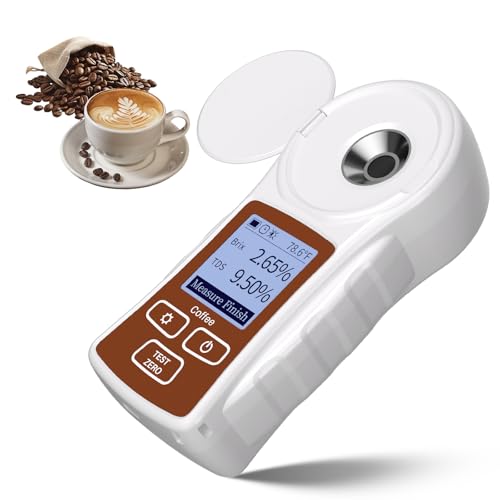
Professional Coffee TDS Refractometer with ATC, YOWEXA Coffee Brix Meter Supports One-tap Calibration Anti-Glare Interference, Rechargeable Digital Refractometer for Coffee Enthusiasts (0-22%, ±0.2%)
【3-in-1 Multifunction for Coffee TDS/Brix/Sensor Temp】Our Coffee TDS Refractometer specializes in measuring coffee TDS/BRIX and SENSOR TEMPERATURE, precisely…
As an affiliate, we earn on qualifying purchases.
As an affiliate, we earn on qualifying purchases.
Conclusion
Mastering espresso extraction means paying attention to time, yield, and TDS. Did you know that ideal extraction typically lasts around 25-30 seconds? Staying within this window, you can achieve a balanced flavor with a TDS of about 8-12%. By focusing on these key factors, you’ll consistently brew rich, flavorful espresso. Remember, small adjustments can make a big difference—so keep experimenting until you find your perfect shot.

Mini Manual Coffee Grinder with 40 Adjustable Settings, Portable Hand Coffee Bean Mill with 30g Capacity, Conical Burr Coffee Grinder with Crank for Travel, Camping, Office, Espresso, Pour Over, etc
40 EXTERNAL ADJUSTABLE GRIND SETTINGS – Unlike traditional grinders with internal adjustments, our manual coffee grinder offers 40…
As an affiliate, we earn on qualifying purchases.
As an affiliate, we earn on qualifying purchases.
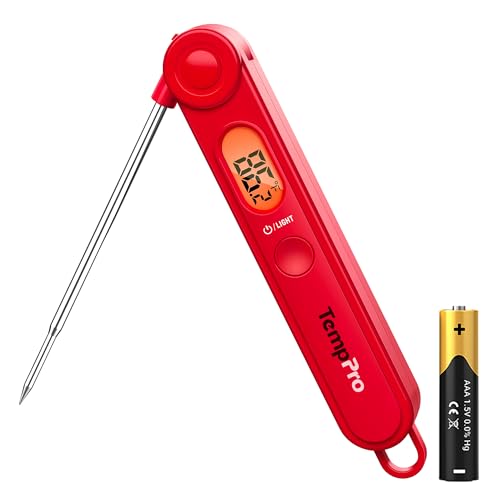
TempPro TP03B Digital Meat Thermometer for Cooking, Instant Read Thermometer with Backlight, Kitchen Food Thermometer for Grill Smoker BBQ Oil Deep Fry Candy Bread Coffee (Previously ThermoPro)
【Easy to Use】Easily release the meat probe at the push of a button, and control the backlight or…
As an affiliate, we earn on qualifying purchases.
As an affiliate, we earn on qualifying purchases.