

If you compare old money and new money, you’ll notice that old money prefers subtle, understated displays of wealth, favoring classic brands and discreet philanthropy that emphasize legacy and tradition. In contrast, new money often shows off through bold fashion, flashy logos, and high-profile charitable efforts to boost social status. Understanding these different approaches reveals deeper cultural values. Keep exploring to see how these lifestyles shape societal perceptions and personal identities.

Get your wardrobe favorites delivered free — and shop member deals
- Fast, free delivery on millions of items
- Access to Prime Big Deal Days deals on October 6–7
- Prime Video, Amazon Music and more included
Key Takeaways
- Old money favors subtle displays of wealth with classic brands, emphasizing tradition and understated luxury.
- New money showcases success through bold logos, trendy labels, and flashy, attention-grabbing accessories.
- Old money’s philanthropy is discreet and strategic, focusing on legacy preservation; new money’s giving is often public and performative.
- Underlying values differ: old money emphasizes stability and refinement, while new money prioritizes rapid social mobility and visibility.
- Spending habits reflect cultural differences: old money invests in quality and tradition; new money prefers trendy, high-profile investments.
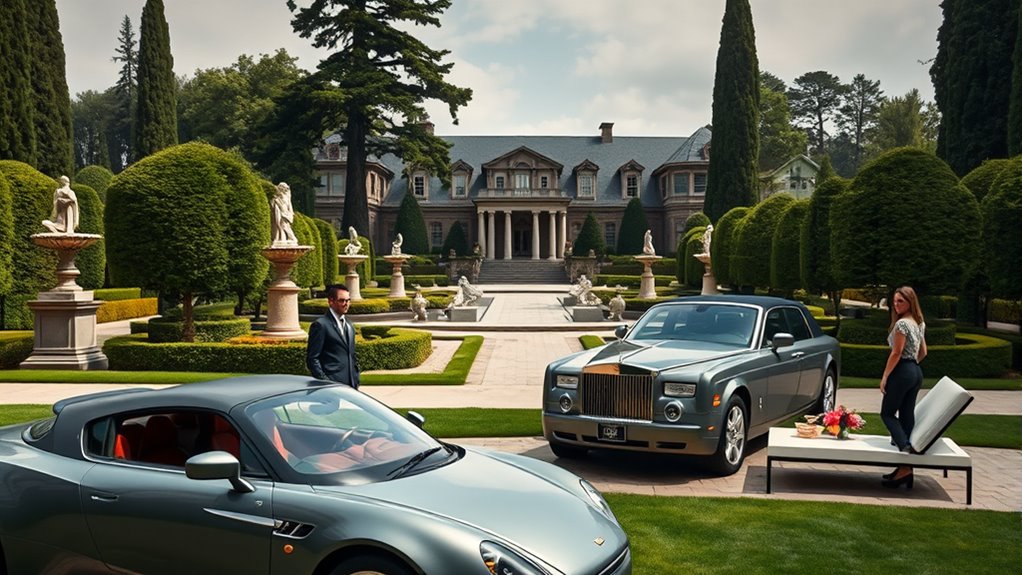
The divide between old money and new money often shapes how society perceives wealth and status. As someone observing these distinctions, you’ll notice that old money tends to emphasize subtlety and tradition in their displays of wealth, while new money is more inclined to showcase their success boldly. When it comes to luxury branding, old money often prefers understated labels that speak to a legacy of quality and timelessness. Think of classic brands like Hermès or Cartier, which have a history rooted in craftsmanship and exclusivity. You’ll see these choices as a way to communicate wealth without shouting it, reinforcing a sense of refinement and long-standing social standing.
In contrast, new money might lean toward more conspicuous luxury branding, opting for flashy logos and trendy labels that highlight recent achievements. This approach isn’t just about owning expensive items; it’s about making a statement, demonstrating that they’ve arrived and are willing to flaunt their wealth. You might notice newer, more ostentatious brands gaining popularity among this group, emphasizing status over tradition. But what truly sets old money apart isn’t just their taste in brands—it’s also their approach to philanthropy. Old money families often have a long-standing tradition of philanthropic pursuits, viewing charitable work as a way to give back and uphold their social responsibilities. Their giving is usually discreet and strategic, aimed at preserving their reputation and contributing to causes that align with their legacy.
Additionally, research shows that philanthropic involvement among old money families tends to be more strategic and enduring, reflecting their commitment to legacy and stability. On the other hand, new money individuals may also engage in philanthropy, but their pursuits can sometimes be more visible and performative. They might host high-profile fundraising events or create foundations that serve to elevate their public image as much as they serve a cause. This isn’t necessarily negative, but it’s a different approach rooted in establishing their social identity. You’ll notice that old money’s philanthropic pursuits often focus on quiet, sustained contributions, reinforcing a sense of duty and tradition. Meanwhile, new money’s charitable efforts frequently seek recognition and visibility, aligning with their desire to be seen as influential players in society.
Ultimately, the distinction lies in how each group chooses to display their wealth and use it to shape their legacy. Old money’s emphasis on understated luxury branding and discreet philanthropy reflects a mindset rooted in tradition, stability, and subtlety. Conversely, new money’s tendencies toward flashy branding and overt philanthropy highlight their desire for recognition and rapid social ascension. As an observer, you see these differences not just in spending habits but in the deeper values that guide how each group perceives and demonstrates their wealth.
As an affiliate, we earn on qualifying purchases.
Frequently Asked Questions
How Do Old Money Families Maintain Their Wealth Across Generations?
You maintain your family’s wealth by emphasizing a strong family legacy and prudent financial management. You pass down values of saving, investing, and living below your means, ensuring generational wealth endures. You also prioritize education and mentorship, helping younger members develop skills to preserve and grow the estate. By staying connected to your roots and making thoughtful decisions, you keep the wealth within your family across generations, securing your legacy.
What Are Common Misconceptions About New Money Individuals?
Many think new money individuals are just flashy and reckless, but that’s a misconception. You might see them investing in luxury branding or launching entrepreneurial ventures, showcasing ambition and innovation. They often prioritize growth and reinvestment, challenging stereotypes. Instead of just spending, they build wealth sustainably, proving that new money can be savvy, forward-thinking, and dedicated to creating lasting success.
How Do Investing Strategies Differ Between Old and New Money?
Ever wonder how your investing strategies differ from the wealthy? You focus on investment diversification and risk management, often adopting a long-term approach. Old money tends to preserve wealth through conservative, diversified portfolios, while new money may take more risks to grow rapidly. You can learn from both: diversify your investments to protect assets and manage risks wisely for sustained financial health. Isn’t it time to refine your strategy?
What Social Activities Are Typically Associated With Old Versus New Money?
You’ll find old money attending exclusive luxury galas and elite clubs, emphasizing tradition and understated elegance. They prefer private, refined gatherings that showcase their longstanding social status. In contrast, new money might host flashy parties or attend trendy events, seeking visibility. Old money values subtlety and heritage, while new money aims to make a statement through more modern and attention-grabbing social activities.
How Do Philanthropic Approaches Vary Between Old and New Wealth?
You’ll notice that old wealth tends to support philanthropy through elite charity events and established family foundations, emphasizing legacy and long-term impact. In contrast, new money often prefers more flexible, innovative giving, sometimes through direct donations or startup-focused initiatives. Your approach to philanthropy reveals your priorities, whether preserving tradition or fostering new ideas, reflecting your values and connection to the community.
As an affiliate, we earn on qualifying purchases.
Conclusion
You now see how old money values understated elegance while new money often flaunts wealth boldly. Remarkably, a 2022 survey found that 70% of old money families prefer investing in art and real estate, showcasing their subtle approach to wealth. Whether you lean toward classic sophistication or modern extravagance, understanding these differences can help you appreciate the unique ways the wealthy express their success. Remember, it’s not just about spending—it’s about how you choose to display your wealth.
As an affiliate, we earn on qualifying purchases.
As an affiliate, we earn on qualifying purchases.
Evergreen bestsellers Picks
bestsellers
As an affiliate, we earn on qualifying purchases.