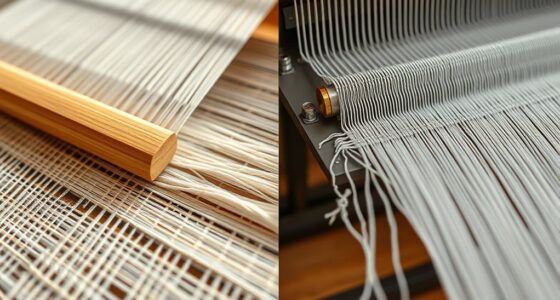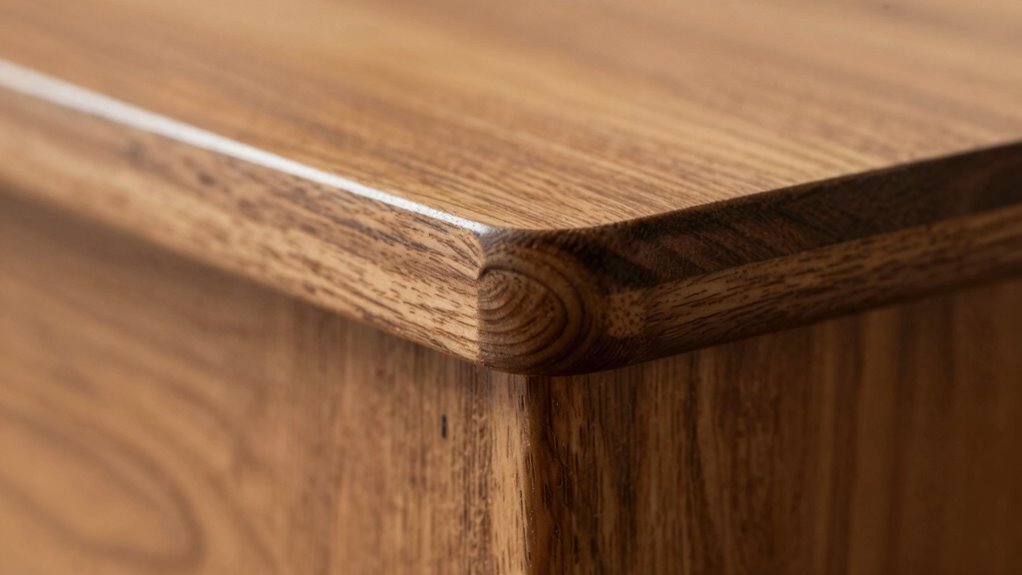

Proper edge finishing tells you a lot about quality because it directly impacts a product’s durability, safety, and appearance. Well-finished edges prevent splinters, cracks, and damage, showing craftsmanship and attention to detail. They also enhance safety by reducing sharp or rough spots. A polished edge indicates the use of the right techniques suited to the material, meeting industry standards. If you’re curious how this influences the overall product, keep exploring—there’s more to uncover.
Key Takeaways
- Well-finished edges indicate meticulous craftsmanship and adherence to industry standards, reflecting overall product quality.
- Proper edge finishing enhances durability and safety, demonstrating attention to detail and reliable manufacturing processes.
- Smooth, professional edges improve aesthetics, signaling high-quality production and consumer confidence.
- Correct finishing techniques tailored to materials prevent damage, ensuring long-term performance and resistance to environmental factors.
- Poor edge finishing can suggest rushed or low-quality manufacturing, undermining trust and market competitiveness.
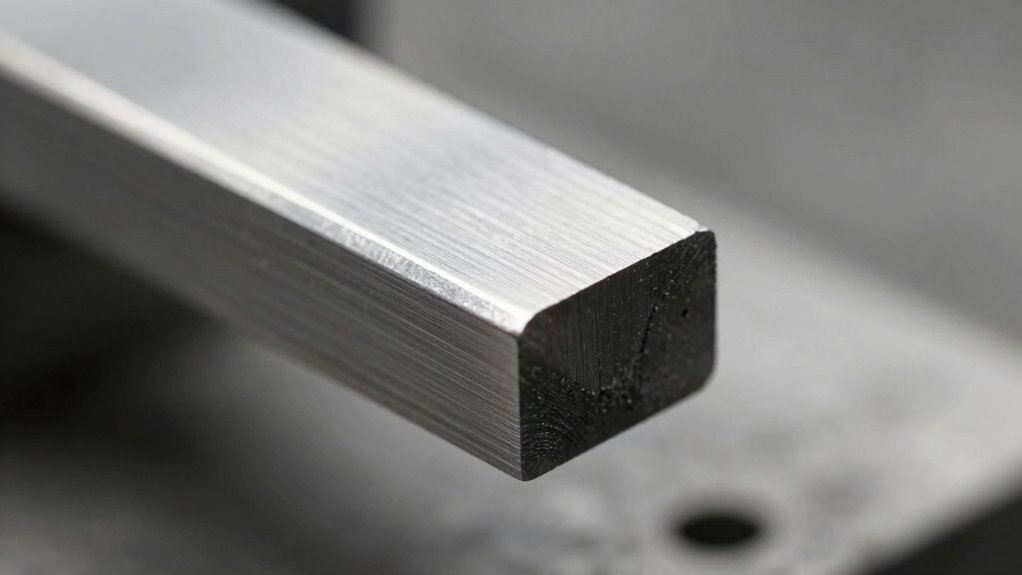
Have you ever noticed how the quality of edge finishing can considerably impact a product’s overall durability and appearance? It might seem like a small detail, but the finishing on edges plays a significant role in how well a product performs over time. When you look closely, you’ll see that smooth, well-finished edges contribute to a sleek, professional look, which instantly signals quality. Surface smoothness is key here—sharp, rough edges can cause splinters, cracks, or even compromise the structural integrity of the item. When edges are properly finished, they’re smoother to the touch, reducing the risk of damage and making the product safer to handle.
Well-finished edges enhance durability, safety, and a sleek, professional appearance.
But surface smoothness isn’t solely about aesthetics; it’s also about functionality. If the edges are rough or uneven, they can trap dirt, moisture, or debris, accelerating wear and deterioration. Proper edge finishing ensures that these surfaces are seamless, creating a barrier that resists environmental factors that could weaken the material. This is especially important in industries like manufacturing, furniture, or packaging, where durability is essential. The process of achieving a smooth finish involves selecting the right tools and techniques, tailored to the specific material you’re working with, which brings us to material compatibility. Not all finishing methods suit every material equally. For instance, soft plastics require gentle buffing, while metals might need grinding or polishing. Using incompatible finishing methods can damage the material, cause discoloration, or leave unwanted marks.
Your choice of edge finishing technique should always consider material compatibility, as it directly affects the quality of the final product. When done right, it guarantees the edges are not only smooth but also adhere to the properties of the material, enhancing overall quality. Additionally, understanding manufacturing processes can help ensure that the finishing techniques align with industry standards and best practices. Incorporating knowledge of industry standards ensures that the product meets safety and quality benchmarks, which is crucial for customer trust. This attention to detail shows in the product’s longevity and visual appeal, making it stand out in a competitive market. You might not notice it immediately, but a well-finished edge indicates precision craftsmanship and thorough quality control. Conversely, poorly finished edges can suggest shortcuts or low-quality manufacturing, undermining confidence in the product.
In the end, edge finishing isn’t just about looks—it’s an essential step that influences surface smoothness, material integrity, and the product’s durability. When you pay close attention to these details, you’re guaranteeing that your product isn’t just visually appealing but also built to last. Quality edge finishing communicates professionalism and care, making it a vital aspect of any high-quality product.

NECAMOCU Edge Banding Trimmer, Upgraded Mini Edge Band Trimmer & Cutter
【Precision & Smooth Trimming】 NECAMOCU upgraded edge banding cutter features thicker blade with larger cutting edges and more…
As an affiliate, we earn on qualifying purchases.
As an affiliate, we earn on qualifying purchases.
Frequently Asked Questions
How Does Edge Finishing Impact Overall Product Durability?
Edge finishing directly impacts your product’s durability by improving surface smoothness and preventing damage from sharp edges. When you guarantee proper finishing, it enhances material compatibility, reducing the risk of cracks, chips, or wear over time. This process not only prolongs your product’s lifespan but also ensures it performs reliably under stress. By paying attention to edge finishing, you’re investing in a more durable, high-quality product that lasts longer and maintains its integrity.
What Industries Prioritize High-Quality Edge Finishing?
Think of industries like aerospace, where high-quality edge finishing is as essential as a finely tuned engine. You’ll find automotive, medical, and electronics sectors prioritize it because material compatibility guarantees safety and performance. While cost considerations matter, they often take a backseat to durability and precision. These industries understand that superior edge finishing reflects their commitment to excellence and customer trust, making it a critical aspect of their manufacturing process.
Are There Eco-Friendly Edge Finishing Options Available?
Yes, eco-friendly edge finishing options are available. You can choose finishes made from eco-friendly materials like recycled or biodegradable plastics, or natural oils and waxes. These options support sustainable practices and reduce environmental impact. By selecting environmentally conscious finishes, you guarantee your products meet eco standards while maintaining high-quality edge work. This approach not only benefits the planet but also appeals to eco-minded consumers seeking sustainable products.
How Does Manual Edge Finishing Compare to Automated Methods?
You might think manual edge finishing offers a personal touch, but automated methods excel in precision and consistency. Manual craftsmanship brings a sense of artistry and flexibility, ideal for custom or delicate projects. However, automated precision guarantees faster, uniform results, reducing errors and waste. Ultimately, your choice depends on your priorities—personalized quality or efficiency—both methods reflecting a commitment to high standards, just in different ways.
What Are Common Signs of Poor Edge Finishing?
You’ll notice poor edge finishing through rough, uneven surfaces that compromise surface smoothness. Jagged or chipped edges diminish aesthetic appeal and can pose safety risks. Discoloration, inconsistent finishes, and leftover burrs also signal subpar work. These signs show the finishing isn’t up to standard, affecting both the product’s look and feel. To guarantee quality, always check for smooth, clean edges that enhance the overall appearance and safety of your product.

LDHTHOPI 1800W Burnishing Polishing Machine, 110V Handheld Electric Stainless Steel Polisher, 8 Variable Speed, 3100RPM for Metal, Stainless Steel, Wood
【Strong Power】This burnishing polishing machine comes with a powerful 1800W copper motor that is capable of handling complex…
As an affiliate, we earn on qualifying purchases.
As an affiliate, we earn on qualifying purchases.
Conclusion
So, when you see flawless edge finishing, know it’s not just about looks—it’s the secret code revealing whether a product is truly top-tier or just a pretend. A tiny flaw on the edge can scream poor craftsmanship louder than a megaphone, turning your trust into doubt in seconds. Remember, the devil’s in the details, and edge finishing is the ultimate test of quality—miss it, and you miss the whole masterpiece!

Luatoxry Edge Banding Trimmer, Manual Veneer Edge Trimmer, Plastic Edgebanding Trimmers for Cutting 54mm Width and 0.5mm Thickness Wood, Woodworking Banding End Cutter, 5.51×3.35in
Cutting Range: The edge banding trimmer can cut boards or veneers up to 0.5mm thickness and 54mm width….
As an affiliate, we earn on qualifying purchases.
As an affiliate, we earn on qualifying purchases.

Total 56 PCS Hand Sanding Block Set- 16 PCS Contoured Profile Sander Block + 40 Sheet Sandpaper Kit – Interchangeable Assorted Convex & Concave Shapes for Moldings,Woodworking, Auto Paint and Crafts
Versatile sanding set: Featuring 16 pieces of assorted shape sanding blocks,and 40 Sheet Hook & Loop Sandpaper(5 Sheets…
As an affiliate, we earn on qualifying purchases.
As an affiliate, we earn on qualifying purchases.