
TL;DR
The EU’s ban on destroying unsold clothes and shoes is now active, marking a significant step toward sustainability. The regulation prohibits companies from disposing of unsold inventory, encouraging reuse and recycling. Details on enforcement and industry impact are still emerging.
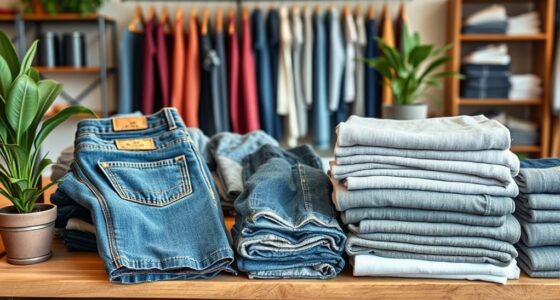
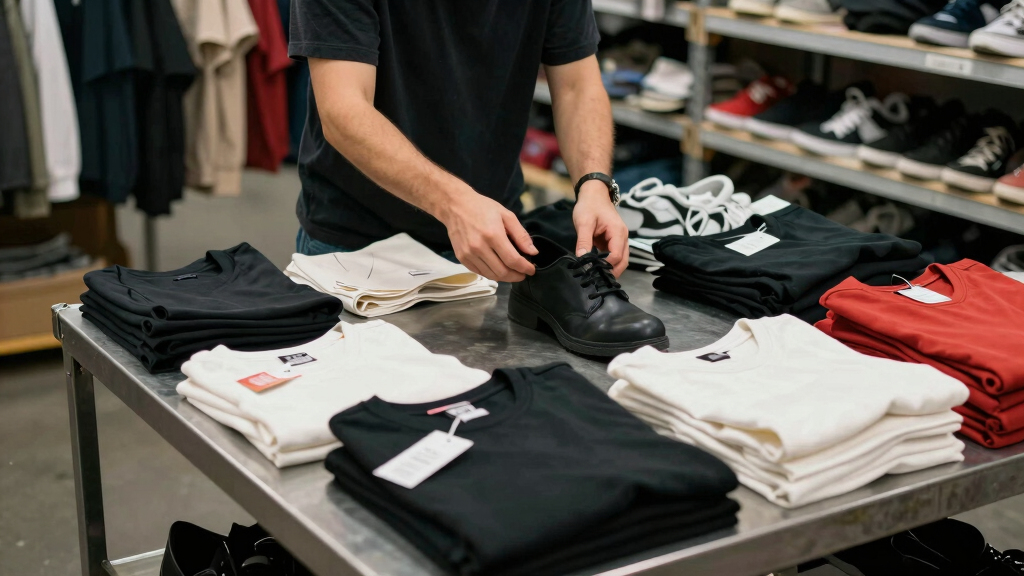
The European Union’s new regulation prohibiting the destruction of unsold clothing and footwear has entered into force today, requiring companies to find alternative ways to manage excess inventory. This measure aims to reduce waste and promote sustainability across the fashion and retail industries within member states.
The regulation, approved by the EU Parliament in late 2023, explicitly bans companies from destroying unsold textiles and shoes, unless they are donated, recycled, or otherwise repurposed. Retailers and manufacturers are now legally obligated to implement sustainable disposal methods, with penalties for non-compliance under development.
According to the European Commission, this policy is part of the EU’s broader Green Deal and aims to tackle the environmental impact of fast fashion, which contributes significantly to waste and pollution. Industry groups have expressed mixed reactions, with some supporting the move toward sustainability and others raising concerns about increased costs and logistical challenges.
Implications for the Fashion Industry and Waste Reduction
This regulation marks a major shift in EU policy, directly impacting how companies handle excess inventory. It encourages sustainable practices, such as donating unsold goods or recycling textiles, which could reshape supply chain management. The move also signals a broader commitment by the EU to combat environmental degradation caused by fast fashion, potentially influencing global industry standards.
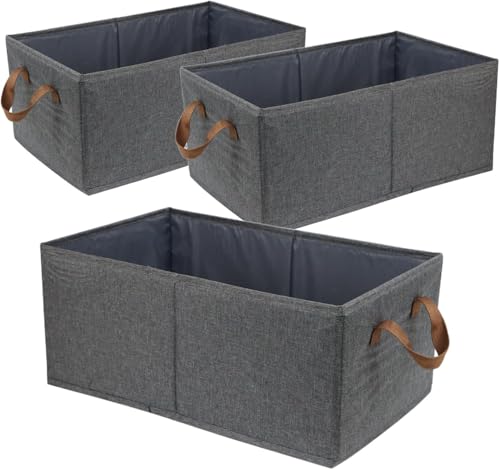
Fordonral Pack of 3 Large Capacity Storage Bins Closet Organizer System, Sturdy Foldable Storage Boxes for Organizing Clothing, Sheets, Toys, Books – Shelf Organizer Shelves Basket Storage Bin
These Fabric Storage Bins are crafted with high-quality cationic fabric materials, ensuring durability and longevity. Made from premium…
As an affiliate, we earn on qualifying purchases.
As an affiliate, we earn on qualifying purchases.
EU Environmental Policies and Industry Response
The EU has been progressively tightening regulations on waste and sustainability, with previous measures targeting plastic use and carbon emissions. The ban on destroying unsold clothes is part of a series of initiatives aimed at reducing textile waste, which accounts for a significant portion of EU landfill content. Industry associations have called for clarity on enforcement timelines and support measures for adaptation.
Prior to this regulation, many companies routinely destroyed unsold inventory to avoid storage costs or damage to brand reputation. The new rules aim to curb this practice, aligning industry behavior with environmental goals.
“This regulation is a crucial step toward making the fashion industry more sustainable and responsible. We are committed to reducing waste and promoting circular economy practices.”
— European Commissioner for the Environment

VictoryStore 6-Pack Clothing Donation Bin, Corrugated Plastic, 22.3 Gallons, Collapsible Storage Box with Handles, Durable & Recyclable Collection Box
Festive Holiday Design – Bright graphics with clothes, arrows, and happy children make the donation bin cheerful and…
As an affiliate, we earn on qualifying purchases.
As an affiliate, we earn on qualifying purchases.
Unclear Aspects of Enforcement and Industry Adaptation
It is not yet clear how strictly the regulation will be enforced across all member states or what specific penalties will be imposed for violations. Details on support measures for small and medium-sized enterprises to comply are still emerging. Additionally, the long-term impact on supply chain practices remains uncertain, as companies adapt to the new rules.

Deeablo New York – Sustainable Reusable Indoor Recycling Bin for Kitchen, Multipurpose Recycle Bin, Large Recycling Bins for Home, Washable Paper Bag for Recycling (White)
Sustainable & Recyclable: Made from 100% recyclable materials, our Deeablo New York bag is a perfect choice for…
As an affiliate, we earn on qualifying purchases.
As an affiliate, we earn on qualifying purchases.
Next Steps for Industry Compliance and Monitoring
Authorities are expected to publish detailed enforcement guidelines in the coming months. Retailers and manufacturers will need to update their inventory management and disposal practices accordingly. Monitoring and reporting mechanisms are likely to be established to ensure compliance, with potential penalties for violations. Industry associations are also expected to offer guidance and support during the transition period.
eco-friendly shoe recycling kits
As an affiliate, we earn on qualifying purchases.
As an affiliate, we earn on qualifying purchases.
Key Questions
What types of products are covered by the EU ban?
The regulation applies to all clothing and footwear products that are unsold and intended for retail sale within EU member states.
Are there any exceptions to the ban?
Yes, products that are donated, recycled, or repurposed are exempt from the destruction prohibition. The regulation encourages these alternative disposal methods.
What penalties could companies face for non-compliance?
Specific penalties are still under development, but could include fines or restrictions on sales. Enforcement will vary by member state.
How might this regulation impact consumers?
Consumers may see a shift toward more sustainable products and practices, with companies potentially passing some costs of compliance onto prices. It may also influence the availability and variety of fast fashion items.
When will we see full industry compliance?
Full compliance will depend on how quickly companies adapt their supply chains and disposal practices, with detailed guidelines expected in the next few months.
Source: hn