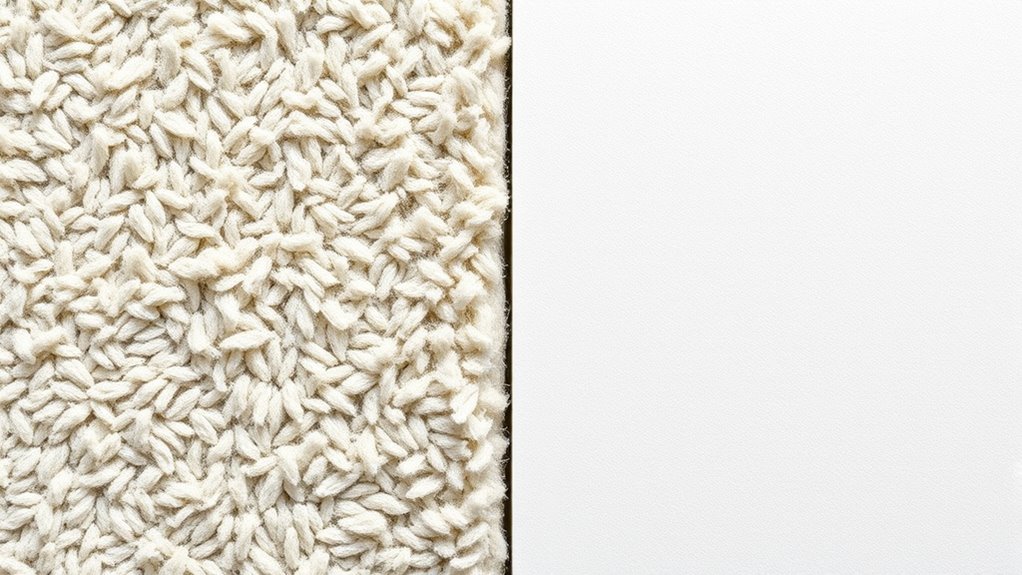

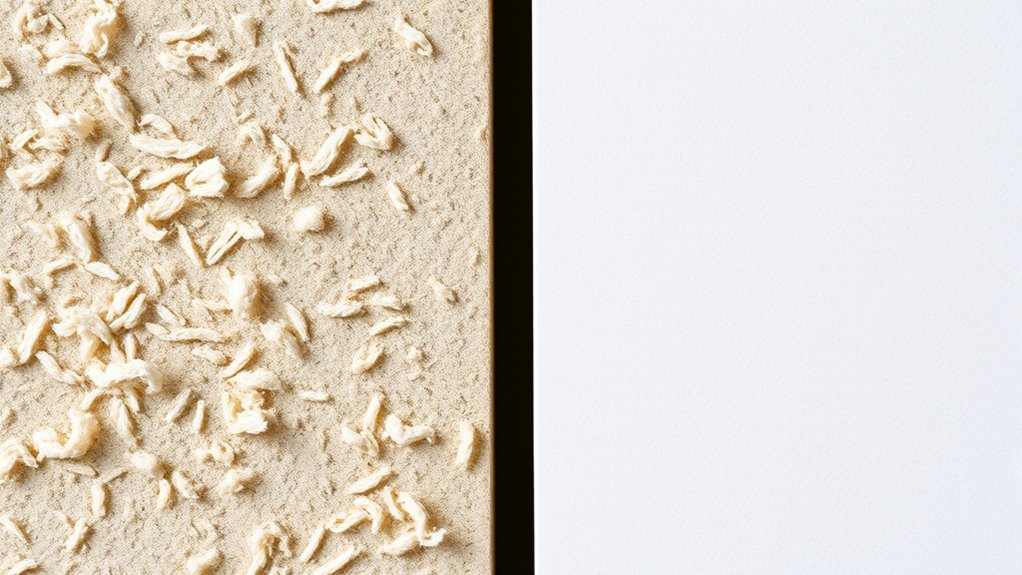
When choosing between rag and alpha cellulose mat boards, consider durability and preservation. Rag boards, made from cotton fibers, are naturally acid-free, highly durable, and resist yellowing, making them ideal for valuable or delicate items. Alpha cellulose boards, derived from wood pulp, are more affordable but vary in quality—some are archival. If you want to protect your artwork long-term, understanding these differences helps you make a better choice; more details await.
Key Takeaways
- Rag mat boards are made from cotton fibers, offering superior acid-neutrality and long-term preservation.
- Alpha cellulose boards are produced from wood pulp and can be treated to meet archival standards.
- Rag mats are more durable, resist yellowing, and are ideal for high-value or delicate items.
- Alpha cellulose boards are more affordable, widely available, but may require careful selection for archival quality.
- Choosing between them depends on budget, preservation needs, and the importance of long-term conservation.
Have you ever wondered what makes a mat board both attractive and durable? When you’re selecting the right material, understanding the differences between rag and alpha cellulose becomes essential. These choices influence not only the visual appeal of your framing but also how well your artwork or photographs are preserved over time. The quality of the mat board can substantially impact the longevity of your piece, especially if you want it to withstand the test of time. That’s where conservation techniques come into play, guiding you toward options that guarantee your artwork remains in pristine condition for years to come. Choosing an archival quality mat board is crucial because it minimizes the risk of deterioration, yellowing, or acid damage, which can compromise the integrity of your display.
Rag mat boards are made from cotton fibers, which are natural, long-lasting, and inherently pH-neutral. This material is often associated with high-quality, archival quality products because it offers superior conservation techniques. Cotton rag provides a stable, acid-free environment, making it ideal for valuable or delicate items. Its durability is unmatched, and it resists yellowing or breaking down over time. When you opt for rag mat boards, you’re investing in a material that offers a high level of conservation, ensuring your artwork remains vibrant and intact for decades. This type of material is especially recommended for pieces that require the highest archival standards, such as priceless artworks, historical documents, or cherished photographs.
Alpha cellulose mat boards, on the other hand, are produced from wood pulp with a high percentage of purified cellulose fibers. They are generally more affordable and widely available. While many alpha cellulose boards are acid-free and suitable for everyday framing, not all meet the strict standards of archival quality. Some may contain residual acids or lignins that can cause deterioration over time if not properly treated or coated. If you’re considering alpha cellulose, look for those specifically labeled as acid-free and designed for conservation techniques. These products can still provide good protection but may not offer the same longevity or stability as rag mats. Proper handling and storage become especially important if you want to maintain the integrity of your framed piece.

Lineco Archival Corrugated Backer Board
Lineco Backer Board Pack – 16" x 20", Blue/Gray, Pkg of 10
As an affiliate, we earn on qualifying purchases.
As an affiliate, we earn on qualifying purchases.
Frequently Asked Questions
Which Mat Board Material Is More Eco-Friendly?
You’ll find rag mat boards are more eco-friendly because they’re made from recycled cotton fibers, which supports sustainable sourcing and reduces waste. They’re biodegradable and often come from scrap textiles, making them a responsible choice for environmentally conscious options. Alpha cellulose boards, while acid-free, usually rely on wood pulp, which can involve less sustainable harvesting practices. So, for greener options, go with rag mat boards to support eco-friendly choices.
How Does Acid Content Affect Artwork Preservation?
Imagine your artwork as a fragile treasure; acid content is its silent enemy. Acid migration causes deterioration over time, while preservation acidity helps protect your piece from decay. If the mat board has high acidity, it accelerates acid migration, harming your artwork. Choose materials with neutral or alkaline pH levels to guarantee the preservation acidity shields your masterpiece, keeping it vibrant and intact for generations to come.
Can Rag Mat Boards Be Recycled Easily?
Rag mat boards can be recycled, but the process isn’t always straightforward. During recycling, the materials go through cleaning and reprocessing, yet rag fibers may cause challenges because of their durability. Recycling rag boards reduces environmental impact by conserving resources and minimizing waste. However, check local recycling guidelines, as some facilities might not accept certain art materials. Overall, recycling rag mat boards supports sustainable practices and environmental preservation.
What Is the Cost Difference Between Rag and Alpha Cellulose?
Think of the price comparison between rag and alpha cellulose like comparing a luxury car to a reliable sedan. Rag mat boards tend to cost more due to their superior material durability and high-quality fibers, often 50-100% pricier than alpha cellulose. While rag offers greater longevity and archival qualities, alpha cellulose is more budget-friendly, making it a smart choice if cost is your main concern.
Which Material Offers Better UV Protection?
You’ll find that rag mat board offers better UV protection than alpha cellulose, thanks to its natural fibers and superior UV blocking properties. This material also provides greater durability over time, resisting deterioration and discoloration caused by light exposure. If protecting artwork or photographs from UV damage is your priority, rag mat board is the better choice because it maintains its integrity and appearance longer, ensuring your pieces stay preserved.

25 Pack 11×14 White Acid-Free Backing Boards, Uncut Mat Boards for Frames, Photos, Prints & Artwork
PERFECT FOR FRAMING & DISPLAY:Includes 25 full size uncut backing boards, ideal for photo framing, art prints, posters,…
As an affiliate, we earn on qualifying purchases.
As an affiliate, we earn on qualifying purchases.
Conclusion
Choosing between rag and alpha cellulose mat boards is like selecting a trusted companion for your artwork’s journey. Rag symbolizes timeless strength and enduring quality, protecting your masterpiece through ages. Alpha cellulose, on the other hand, reflects modern innovation and affordability, offering a reliable shield. Ultimately, your choice shapes the story your art will tell—whether it’s a legacy that lasts or a moment preserved. Whichever you pick, remember, it’s the care you give that truly preserves the soul of your work.

Somime 10-Pack White Uncut Picture Frame Backing Board,Acid Free 8×10 White Matte Picture Board for Photos
Package Includes: Somime backing boards come with 10pcs uncut mat boards and a sufficient quantity can meet your…
As an affiliate, we earn on qualifying purchases.
As an affiliate, we earn on qualifying purchases.

Lineco Cotton Rag Museum Mounting Boards – Pkg of 25, White, 16" x 20"
Lineco Cotton Rag Museum Mounting Boards – Pkg of 25, White, 16" x 20"
As an affiliate, we earn on qualifying purchases.
As an affiliate, we earn on qualifying purchases.