
You might think that expensive bottled water is somehow better because advertising makes it seem more pure or sophisticated. However, scientific tests show little difference in purity or health benefits compared to tap water, especially in developed countries. Plus, the environmental impact of single-use bottles and the marketing hype often overshadow the facts. If you’re curious about how marketing influences perceptions and what the real issues are, there’s more you should consider.
Key Takeaways
- Scientific tests show little difference in purity between expensive bottled water and tap water.
- Marketing creates perceptions of quality that are often disconnected from scientific facts.
- Higher price does not guarantee better health benefits or safety.
- Many premium bottled waters come from municipal sources, not unique natural springs.
- Choosing tap water is more environmentally sustainable and cost-effective than buying expensive bottled water.
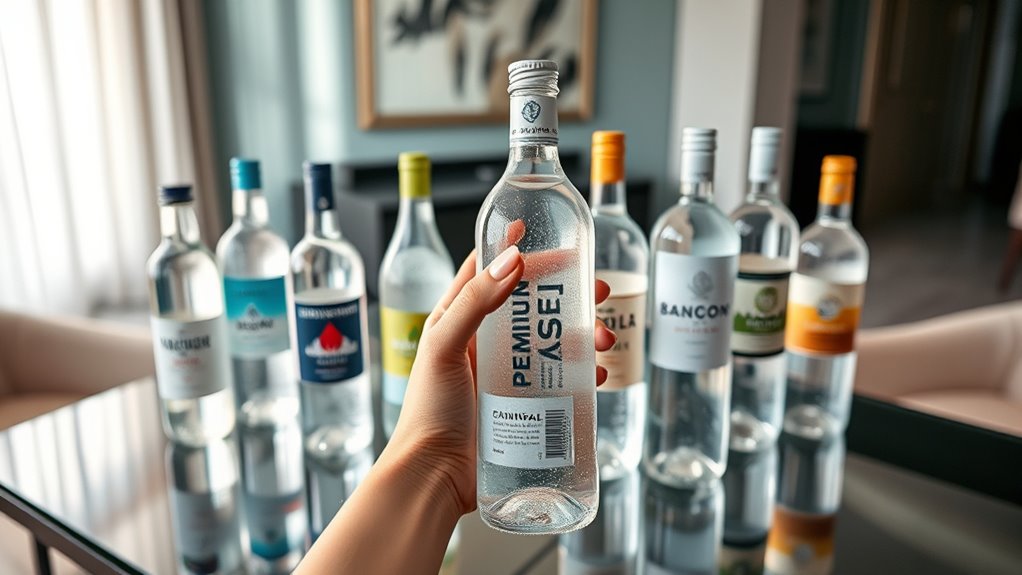
Have you ever wondered why some people turn their noses up at tap water while insisting on bottled or specialty options? It’s a phenomenon rooted in more than just taste preferences; it’s heavily influenced by bottled water marketing. Companies spend millions convincing consumers that their product is superior—more pure, more refined, or more sophisticated—despite the fact that many bottled waters come from the same municipal sources as tap water. These marketing campaigns often emphasize exotic origins or unique mineral profiles to justify higher prices, but they rarely mention the environmental impact. Bottled water’s popularity has skyrocketed, leading to a significant environmental footprint, from plastic waste to energy consumption in production and transportation. environmental impact is often overlooked by consumers swayed by marketing narratives.
When you opt for bottled water, you’re supporting an industry that relies on single-use plastics, most of which end up in landfills or oceans. It’s easy to overlook the environmental impact when the focus is on the sleek labels or perceived quality, but the reality is that plastic bottles take hundreds of years to decompose. Recycling rates aren’t high enough to offset this waste, and the production process consumes large amounts of fossil fuels, contributing to climate change. Every bottle purchased adds to this cycle, making bottled water an unsustainable choice for those concerned about the planet.
Despite the environmental concerns, many still believe that expensive bottled water is better simply because of the price tag and marketing narratives. They are led to think that paying more guarantees purity or health benefits, but scientific tests often show little difference between premium bottled water and good-quality tap water. In fact, tap water in many developed countries is subject to rigorous safety standards, making it a safe, eco-friendly, and cost-effective alternative. The perception of quality is often manufactured through clever advertising, which plays on the idea that higher price equals higher quality. This creates a snobbery around water choices that isn’t based on science or sustainability.
Top picks for "water snobbery expensive"
Open Amazon search results for this keyword.
As an affiliate, we earn on qualifying purchases.
Frequently Asked Questions
Does Bottled Water Contain Harmful Chemicals?
Bottled water can contain harmful chemicals, but it relies on the source and packaging. Chemical concerns include leaching from plastic bottles, especially if exposed to heat or sunlight. If you’re sensitive to taste preferences, you might notice differences in mineral content or additives. To stay safe, choose bottles labeled BPA-free and store them properly. Regularly check for any unusual taste or smell to ensure your bottled water remains safe to drink.
How Does Bottled Water Impact the Environment?
Bottled water impacts the environment mainly through plastic pollution and water waste. When you buy and discard bottles, you contribute to plastic pollution, which harms ecosystems and wildlife. Additionally, producing bottled water often involves significant water consumption, affecting water conservation efforts. By choosing reusable bottles and reducing your reliance on bottled water, you help lessen plastic waste and support water conservation, making a positive difference for the environment.
Is Tap Water Safer Than Bottled Water?
Imagine your water as a clear, trusted friend. Tap water is often safer because it’s regulated by strict tap water regulations, ensuring quality. Bottled water marketing can be misleading, making it seem superior, but it’s not always safer. In fact, tap water undergoes rigorous testing, while bottled water might just be filtered tap water. So, you can trust your tap water’s safety more than the glossy promises of bottled water.
Can Mineral Content Justify Higher Bottled Water Prices?
Mineral content can justify higher bottled water prices if you value taste differences and health benefits. You might notice that water with unique mineral levels offers a distinct flavor or provides essential nutrients like calcium or magnesium. If these taste differences enhance your drinking experience or support your wellness, paying more could be worthwhile. Ultimately, your preference for mineral-rich water depends on how much you prioritize flavor and potential health benefits.
Are There Health Benefits to Drinking Expensive Bottled Water?
Drinking expensive bottled water might seem like a health miracle, but it’s often just a marketing myth. While some brands boast higher purity standards and refined taste preferences, these don’t necessarily translate to better health benefits. Your body needs hydration, and as long as the water meets safety standards, the price doesn’t matter. Focus on clean, safe water rather than flashy labels for real health gains.
Conclusion
So, next time you’re tempted by tempting tags and trendy bottles, remember: water’s worth isn’t in its wallet-wrecking worth but in its pure, simple power. Don’t let water snobbery wash away your wisdom; savor the substance, not the status. Choose clarity over costly clichés, and trust that true thirst-quenching comes from what’s natural, not niche. Let your love for liquid be rooted in reason, not riches, and enjoy every invigorating gulp with confidence and clarity.