
Farm-to-table means sourcing ingredients directly from local farms to guarantee freshness and quality. This approach boosts flavor, as ingredients are picked at their peak ripeness, and enhances nutrition by preserving vitamins and antioxidants. It also benefits the environment by reducing transportation emissions and supporting sustainable agriculture. By choosing local, seasonal produce, you help build resilient communities. If you keep exploring, you’ll discover how this movement transforms your meals and supports a healthier planet.
Key Takeaways
- Fresh, local ingredients are harvested at peak ripeness, enhancing flavor, aroma, and nutritional value in your meals.
- Shorter supply chains reduce transit time, ensuring ingredients stay fresh and retain their natural quality.
- Sourcing directly from farmers promotes transparency and supports sustainable, eco-friendly agricultural practices.
- Using fresh ingredients allows chefs to craft more vibrant, wholesome dishes that elevate overall taste and presentation.
- Emphasizing seasonal produce ensures ingredients are at their flavor peak, enriching the dining experience and supporting local economies.
What Is the Farm-to-Table Movement?
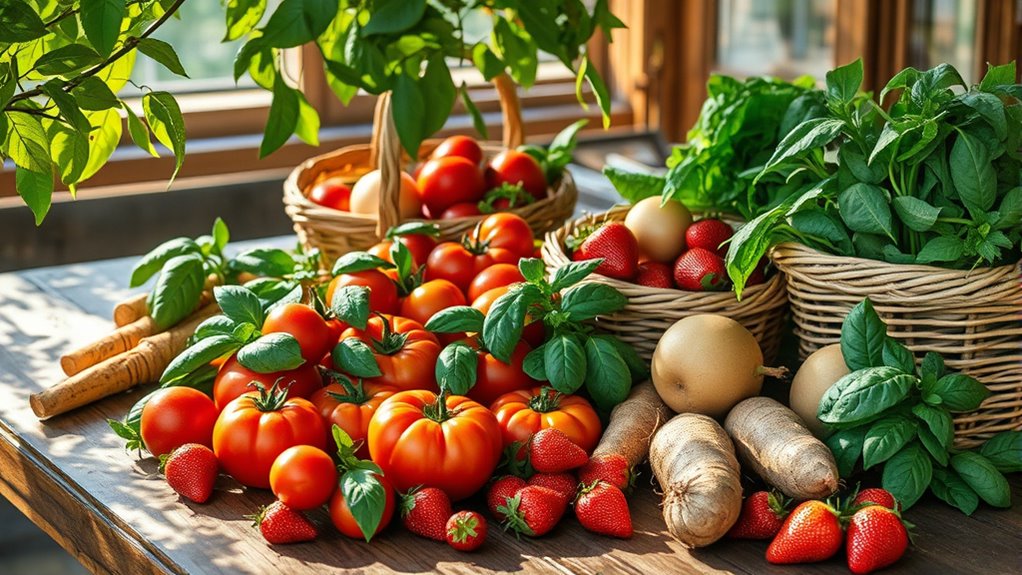
Have you ever wondered where your food comes from? The farm-to-table movement emphasizes connecting consumers directly with local farms, shortening the supply chain. It promotes sourcing ingredients straight from farmers, ensuring freshness and quality. This approach requires efficient farm management, where farmers carefully plan planting, harvesting, and distribution to deliver produce quickly. By reducing intermediaries, the movement supports sustainable practices, minimizes transportation emissions, and preserves flavor. As a consumer, choosing farm-to-table means you’re supporting local economies and enjoying food that’s harvested at its peak. It’s a conscious effort to make food systems more transparent and sustainable, giving you confidence that what’s on your plate is fresh, ethically produced, and handled with care from farm to fork.
The Benefits of Choosing Local and Seasonal Produce
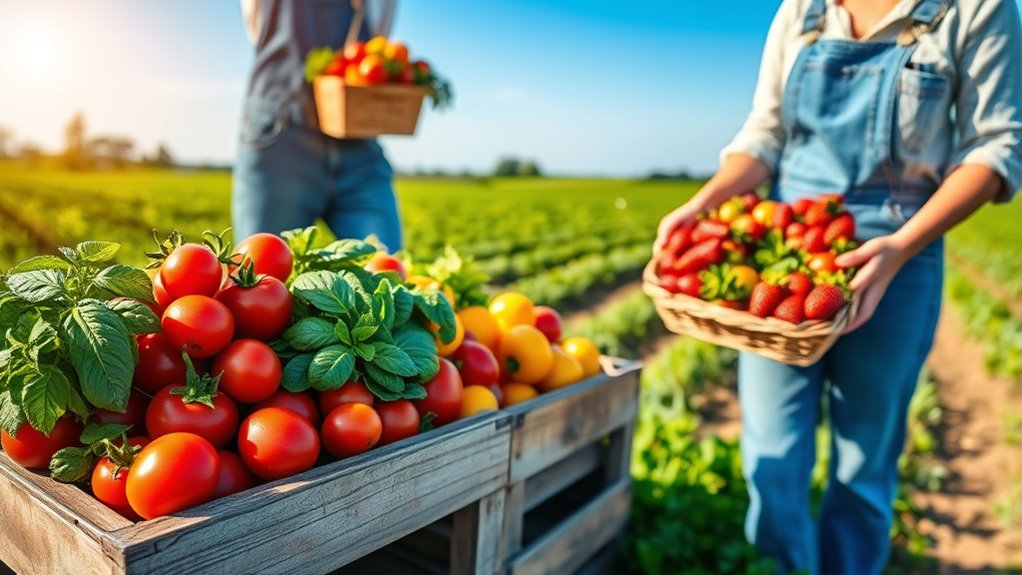
Choosing local and seasonal produce offers numerous benefits that go beyond just taste. When you buy from farm to market, you support local farmers, reduce transportation emissions, and enjoy peak freshness. This freshness enhances the flavor and nutritional value of your ingredients, making your meals more vibrant and healthy. Plus, seasonal recipes become more authentic and creative when using ingredients at their peak. Here’s a quick look at the advantages:
| Benefit | Description | Example |
|---|---|---|
| Freshness | Ingredients picked at peak ripeness | Juicy berries in summer |
| Nutritional Value | Higher vitamin and mineral content | Crisp greens in spring |
| Sustainability | Reduced carbon footprint | Locally sourced vegetables |
| Flavor Enhancement | Better taste due to freshness | Rich, sweet heirloom tomatoes |
How Fresh Ingredients Impact Flavor and Nutrition

When you select fresh, seasonal produce, you immediately notice how much more vibrant and flavorful your meals become. Fresh ingredients deliver superior flavor enhancement because they retain their natural sugars and aromatic compounds, making dishes taste brighter and more appealing. Additionally, these ingredients offer significant nutritional benefits; they’re harvested at peak ripeness, so they contain higher levels of vitamins, minerals, and antioxidants. Unlike produce that’s been stored or transported over long distances, fresh items are less likely to lose their nutrients. This means you get more healthful benefits from each bite. Incorporating fresh, seasonal ingredients not only elevates the taste of your meals but also boosts their overall nutritional value, supporting your well-being with every delicious, wholesome bite.
A focus on local sourcing can further ensure freshness and quality in your ingredients.
The Environmental Advantages of Farm-to-Table Practices

When you choose farm-to-table options, you help cut down on the distance food travels to reach your plate. This means fewer food miles, which directly lowers the energy used in transportation. As a result, your choices contribute to a smaller carbon footprint and a healthier environment. Incorporating ethical hacking practices in food supply chain monitoring can also enhance transparency and safety.
Reduced Food Miles
Because farm-to-table practices focus on sourcing food locally, they considerably reduce the distance food travels from farm to plate. This decrease in food miles means less fuel is used in transportation, which benefits the environment. By supporting sustainable farming methods, you help promote farming that minimizes resource use and reduces emissions. Efficient food logistics become easier when ingredients don’t need to be shipped over long distances, making the entire supply chain more streamlined. Less transportation also means fresher produce, as food spends less time in transit. When you choose farm-to-table, you’re directly contributing to a reduction in pollution and resource consumption. Additionally, utilizing European cloud servers can optimize supply chain management through better data analytics and logistics tracking, further supporting sustainable practices. This simple shift helps create a more sustainable food system, aligning with eco-friendly practices that protect our planet.
Lower Carbon Footprint
Farm-to-table practices considerably lower your food’s carbon footprint by cutting down on greenhouse gas emissions associated with transportation and industrial farming. Local sourcing reduces the need for long-distance shipping, which markedly cuts emissions. Additionally, many farm-to-table producers prioritize organic certification, avoiding synthetic pesticides and fertilizers that require energy-intensive production. Sustainable packaging options further decrease environmental impact by minimizing waste and plastic use. Choosing local, organic ingredients supports farms that implement eco-friendly practices, contributing to a healthier planet. Here’s a quick comparison:
| Aspect | Conventional Farming | Farm-to-Table Practice |
|---|---|---|
| Transportation | Long-distance shipping | Local sourcing |
| Packaging | Non-sustainable | Sustainable packaging |
| Farming methods | Industrial, chemical-based | Organic certification, sustainable |
| Emissions | Higher greenhouse gases | Lower emissions |
| Overall impact | Larger carbon footprint | Reduced carbon footprint |
Supporting Local Farmers and Communities
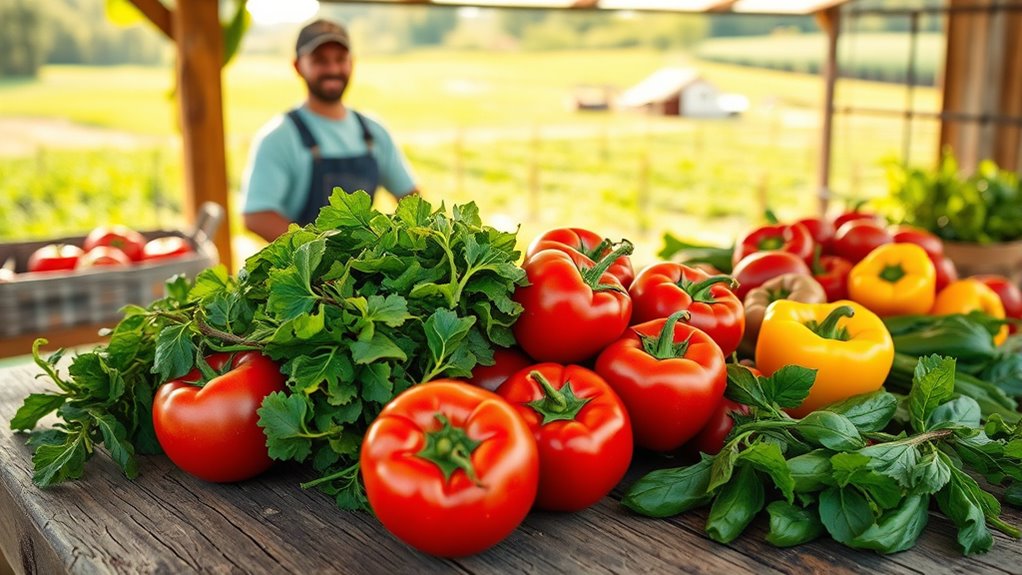
Supporting local farmers and communities strengthens the foundation of sustainable agriculture and guarantees fresh, quality food reaches your table. By choosing to buy from farm cooperatives or supporting urban farming initiatives, you directly contribute to your community’s well-being. When you do so, you help foster stronger local economies and preserve farmland. Imagine the pride in knowing your choices help farmers thrive and keep food sources resilient. Your support can:
- Empower small-scale farmers to stay independent and innovate.
- Preserve open spaces through urban farming efforts.
- Build vibrant, connected communities centered around fresh, local produce.
- Promote Free Floating practices that enhance ecological balance in agriculture.
Every purchase you make echoes beyond your plate, nurturing the environment and helping local farmers flourish. Supporting these efforts creates a more sustainable, equitable food system for everyone.
How to Incorporate Farm-Fresh Items Into Your Cooking
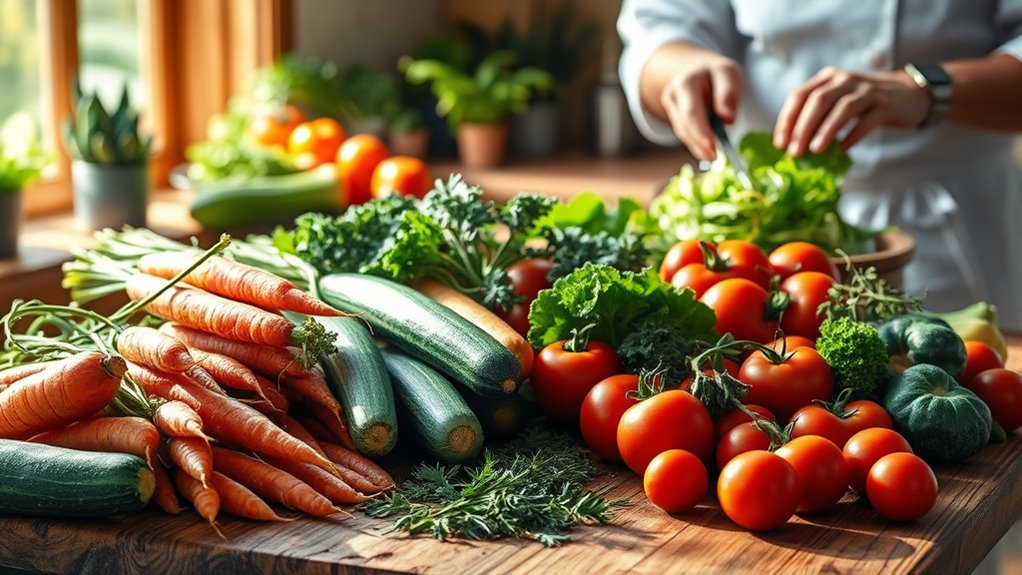
Incorporating farm-fresh items into your cooking starts with choosing seasonal, local produce that’s at its peak flavor and nutritional value. Use fresh ingredients with appropriate cooking techniques to maximize taste, like steaming vegetables or grilling meats. Proper ingredient pairing enhances flavors and highlights the freshness of your produce. For example, sweet corn pairs well with basil, while tomatoes shine with garlic. Consider the texture and flavor profile of each item to create balanced dishes. Paying attention to seasonal produce ensures you get the best quality and flavor in your meals.
Challenges and Considerations in Farm-to-Table Sourcing
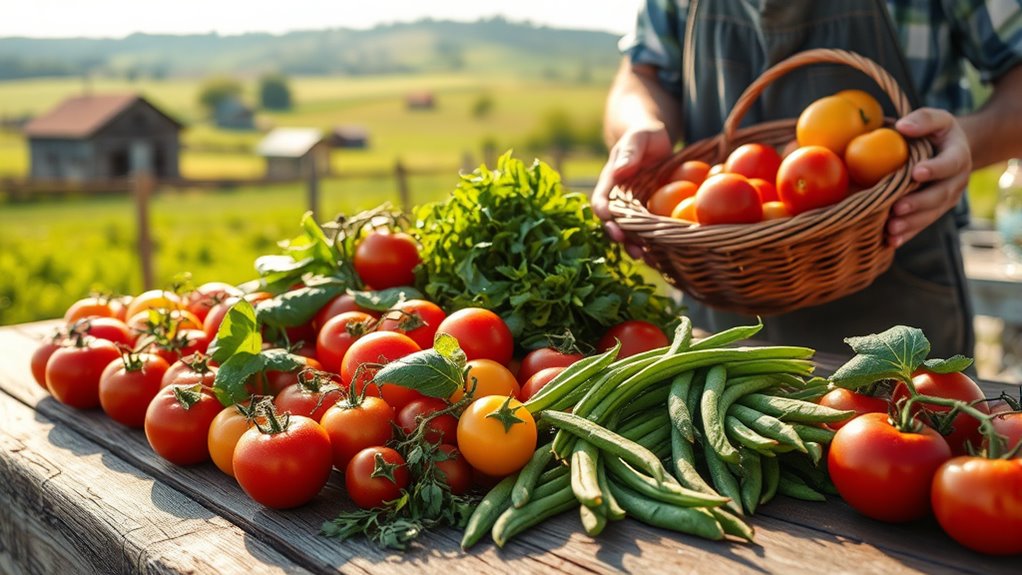
While sourcing farm-fresh ingredients offers numerous benefits, it also presents several challenges you need to contemplate. Maintaining a seasonal menu means you must adapt quickly to ingredient availability, which can vary unexpectedly. Ensuring farm certification requires diligent research and verification to guarantee quality and ethical standards. Additionally, sourcing locally can lead to supply inconsistencies, risking menu disruptions. Consider these emotional hurdles:
- The frustration of limited variety during off-peak seasons.
- The anxiety of ensuring farms meet certification standards.
- The disappointment when supply shortages force menu changes.
- The importance of understanding projector contrast ratios to appreciate visual differences.
Balancing these factors demands flexibility and commitment, but the reward is serving dishes rooted in freshness and integrity, elevating your culinary experience.
The Future of Farm-to-Table Dining and Sustainability

As local farming innovations grow, you’ll see more sustainable practices shaping the future of farm-to-table dining. When eco-friendly methods become standard, they help reduce environmental impact and promote healthier communities. With consumer awareness increasing, your choices can drive positive change in how food is produced and enjoyed. Incorporating water management techniques into farming practices further enhances sustainability efforts.
Local Farming Innovations
Advancements in local farming are transforming the future of farm-to-table dining by making sustainable practices more accessible and efficient. Urban agriculture and vertical farming are at the forefront, bringing fresh produce directly to your community. These innovations reduce transportation emissions and conserve resources while expanding local food options. Imagine a world where rooftop gardens flourish, and skyscrapers grow vegetables on every level. These developments evoke powerful emotions—hope, connection, and pride in supporting your local farmers. Consider these exciting innovations: 1. Urban agriculture projects that turn unused city spaces into vibrant farms. 2. Vertical farms that maximize yield in minimal space, providing fresh ingredients year-round. 3. Community-led initiatives fostering a deeper bond between you and your food source. By embracing smart indoor gardens, communities can further enhance local food production with efficient, self-sufficient solutions. These advances ensure a more sustainable, resilient, and delicious future for farm-to-table dining.
Eco-Friendly Practices Adoption
Eco-friendly practices are increasingly becoming essential to the future of farm-to-table dining, as more farmers and restaurants recognize their role in promoting sustainability. You’ll see a shift toward sustainable packaging, reducing waste and minimizing environmental impact. Many establishments are adopting biodegradable containers or reusable options to cut down on single-use plastics. Additionally, farms and restaurants are investing in renewable energy sources like solar or wind power, decreasing reliance on fossil fuels. These efforts help lower carbon footprints and support eco-conscious dining. Moreover, local food sourcing is gaining prominence, further reducing transportation emissions and supporting community economies. By adopting such sustainable practices, you’re contributing to a healthier planet while enjoying fresh, responsibly sourced ingredients. The move toward eco-friendly practices isn’t just a trend—it’s a necessary step in ensuring the longevity and resilience of farm-to-table cuisine for future generations.
Consumer Awareness Growth
Have you noticed more consumers actively seeking out farm-to-table options? This rising awareness fuels a movement toward sustainable dining. You’ll find that people now prioritize supporting local farmers through urban farming initiatives and look for organic certification to guarantee quality and eco-friendliness. Additionally, the increasing popularity of electric bikes reflects a broader shift toward sustainable transportation, which complements environmentally conscious food choices.
Here’s what’s driving this growth:
- A desire for transparency about food sources, fostering trust in farm-to-table practices.
- Increased access to urban farming, making fresh, local ingredients more available.
- A commitment to sustainability, encouraging consumers to choose organic options that reduce environmental impact.
As awareness grows, so does demand for genuine farm-to-table experiences that promote sustainability and healthier eating habits. This shift shapes the future of dining, emphasizing community and eco-conscious choices.
Tips for Recognizing and Buying Fresh, Local Ingredients
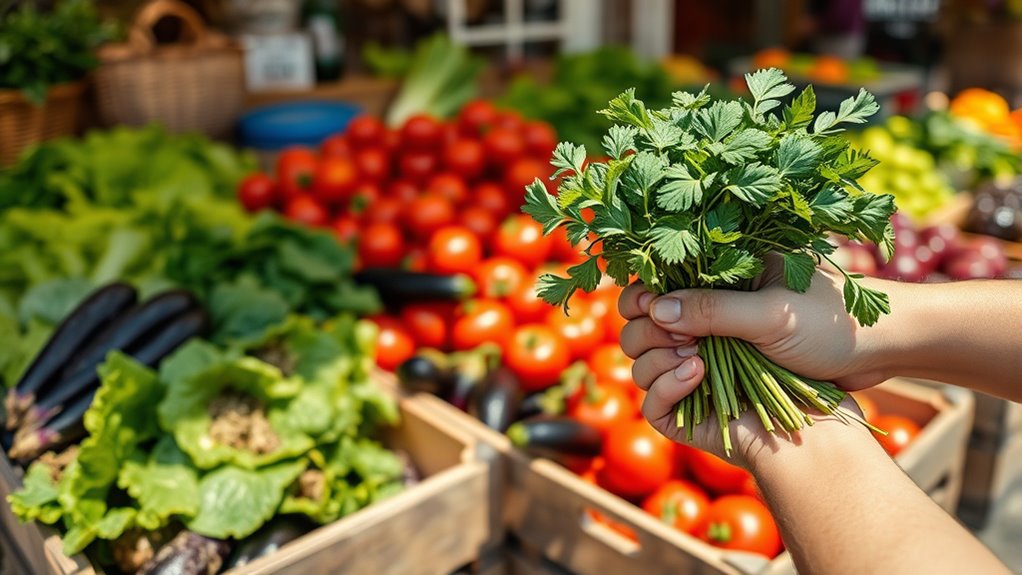
How can you tell if produce is truly fresh and locally sourced? Start with seasonal shopping—produce at its peak flavor and nutrition. Visit farmer’s markets, where farmers sell directly, ensuring freshness and local origins. Look for vibrant colors, firm textures, and minimal blemishes; these are signs of freshness. Smell the produce—fresh items often have a rich, natural aroma. Check for signs of recent harvest, like leafy greens with crisp stems or fruits with smooth skins. Ask vendors about when and where the items were harvested. Avoid produce with excessive packaging or labels. By prioritizing seasonal shopping and engaging directly with farmers, you increase your chances of purchasing truly fresh, local ingredients that elevate your meals. Additionally, understanding food freshness indicators can help you make more informed choices when selecting produce.
Frequently Asked Questions
How Does Farm-To-Table Affect Restaurant Pricing?
Farm-to-table tends to raise restaurant prices because it emphasizes local sourcing and ingredient freshness. When you choose farm-to-table, you’re paying for higher quality, seasonal produce and locally sourced meats, which often cost more than mass-produced alternatives. This focus on freshness and supporting local farmers means fewer middlemen, but it also means the restaurant must charge more to cover these premium ingredients, ultimately affecting your bill.
Are There Specific Certifications for Farm-To-Table Products?
Did you know that about 20% of consumers look for farm-to-table labels when shopping? Yes, there are specific certifications for farm-to-table products, like organic certification and sustainability labels. These certifications verify that the ingredients are locally sourced, organic, and sustainably farmed. When you see these labels, you can trust that your meal supports environmentally friendly practices and fresh, high-quality ingredients directly from local farms.
Can Farm-To-Table Practices Ensure Year-Round Availability?
Farm-to-table practices can support year-round availability through seasonal eating and local sourcing strategies. By embracing seasonal eating, you enjoy fresh ingredients at their peak, while local sourcing helps you access products from nearby farms, even in off-peak seasons. This approach encourages diverse, sustainable options and reduces reliance on distant imports, so you can enjoy fresh, local foods throughout the year, regardless of the season.
How Do Farm-To-Table Practices Influence Food Safety Standards?
Farm-to-table practices boost food safety standards by emphasizing seasonal crops and farm sustainability, which lead to fresher, less processed foods. You benefit from reduced chemical use and fewer food miles, lowering contamination risk. By supporting local farms committed to sustainable methods, you help guarantee higher safety levels. This approach encourages transparent practices, better hygiene, and quality controls, making your meals safer and more trustworthy.
What Role Does Technology Play in Local Food Distribution?
Ever wondered how technology streamlines local food distribution? It plays a vital role by enabling supply chain modernization through digital tracking systems. These tools help you monitor produce from farm to table, ensuring freshness and reducing waste. By adopting such technology, you get quicker access to local ingredients and improved food safety. Isn’t it great to know that innovation helps bring farm-fresh flavors directly to your plate more efficiently?
Conclusion
Remember, you are what you eat, so choose wisely. Embracing farm-to-table practices not only boosts flavor and nutrition but also supports your community and the environment. By prioritizing fresh, local ingredients, you’re planting seeds for a healthier future—just like a good harvest, it takes patience and care. Start small, stay committed, and watch how your meals—and your impact—flourish. The journey to better eating begins with one fresh bite at a time.