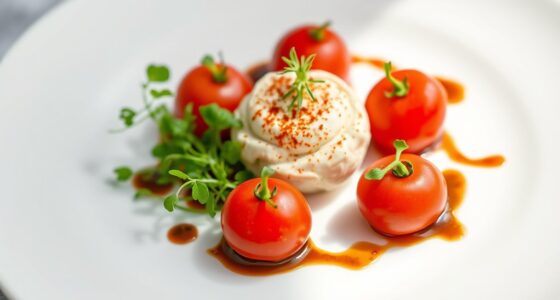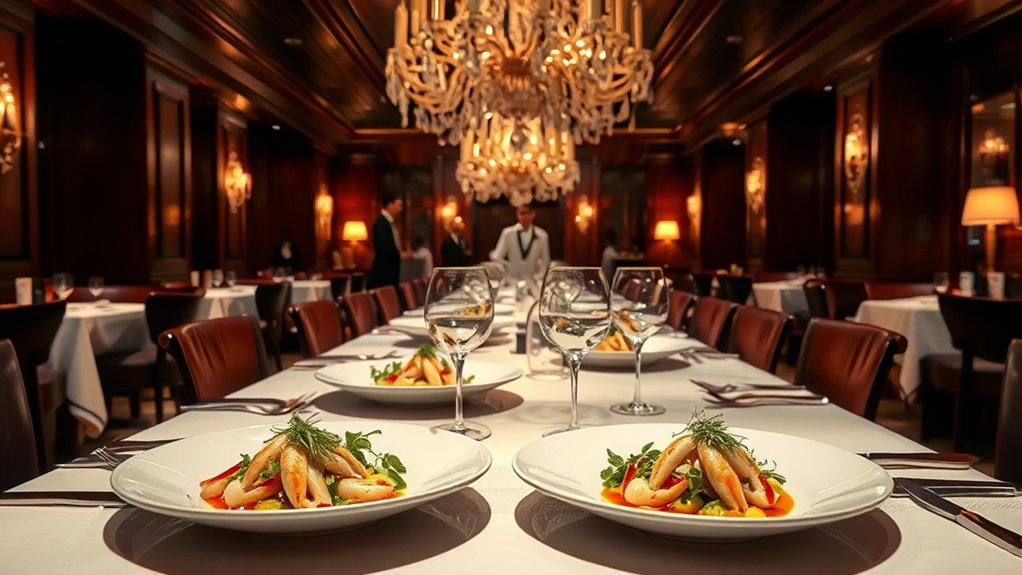

Michelin stars are awarded based on a rigorous, anonymous inspection process that assesses the quality, consistency, and mastery of a restaurant’s cuisine. Inspectors visit discreetly multiple times, focusing on ingredients, technique, and flavor harmony, while keeping judge identities secret. The stars range from one for good cooking to three for exceptional experiences. If you want to uncover what makes these awards so prestigious and how the system works, there’s more behind the scenes to explore.

Get your wardrobe favorites delivered free with Prime
- Fast, free delivery on millions of items
- Prime Video, Amazon Music and more included
- Member-only deals all year
Key Takeaways
- Michelin Stars are awarded based on rigorous, anonymous inspections focusing on ingredient quality, mastery, and flavor harmony.
- Inspectors visit restaurants multiple times to assess consistency and overall culinary excellence.
- Ratings include one, two, or three stars, reflecting good, excellent, or exceptional cuisine respectively.
- The process emphasizes food quality and chef skill, with service and ambiance considered secondary.
- Stars recognize sustained performance, boosting reputation and marking years of culinary dedication.

Michelin stars are the most prestigious awards a restaurant can receive, signaling exceptional quality and culinary excellence. When you hear about a restaurant with a Michelin star, it’s a mark of high standards, skillful cooking, and an unforgettable dining experience. But how exactly does a restaurant earn this coveted recognition? It all begins with the culinary criteria and the star rating process, which are carefully designed to guarantee fairness and consistency across the globe.
Michelin stars symbolize culinary excellence, awarded through a rigorous, fair, and anonymous inspection process worldwide.
The star rating process involves anonymous inspections by Michelin’s team of expert reviewers. These inspectors visit the restaurant discreetly, often multiple times, to evaluate various aspects of your dining experience. They don’t disclose their identities, ensuring that the restaurant’s service and food are judged naturally, just like any other guest. During these visits, inspectors focus on several key elements aligned with the culinary criteria, including the quality of ingredients, mastery of cooking techniques, harmony of flavors, and consistency across multiple visits. They also consider the personality and originality of the cuisine, and whether the restaurant provides value for money. All these factors come together to form a thorough picture of the restaurant’s overall excellence.
The star rating process is meticulous and highly standardized, yet it allows for some flexibility to recognize different styles of cuisine. For example, a restaurant might earn one star for consistently good cooking, two stars for excellent cuisine worth a detour, or three stars for exceptional dishes that justify a special trip. The decision to award stars isn’t based on a single visit but on sustained performance observed over multiple inspections. This ensures that the rating reflects the restaurant’s true quality rather than an isolated good night.
As you get closer to earning a star, the inspectors pay even more attention to detail, ensuring each element meets the highest standards. Restaurants that impress the inspectors with their culinary mastery, attention to detail, and consistency are rewarded with stars, which can notably boost their reputation. Keep in mind, however, that Michelin’s primary focus remains on the food and the chef’s craftsmanship. Service, ambiance, and other factors are secondary, although they contribute to the overall experience. Understanding the inspection process can help diners appreciate the rigorous standards behind these awards.
In essence, earning a Michelin star isn’t about luck or favoritism; it’s about meeting strict culinary criteria through a rigorous, impartial star rating process. If you’re fortunate enough to dine at a Michelin-starred restaurant, you’re experiencing the result of years of dedication, skill, and an unwavering commitment to excellence.
Frequently Asked Questions
How Often Are Michelin Stars Reassessed?
You’ll find that Michelin stars are reassessed annually through inspection frequency, but the star reassessment schedule can fluctuate depending on the restaurant’s performance. Inspectors visit restaurants discreetly, often multiple times, to ensure standards are maintained or improved. If a restaurant excels, it might keep or even earn stars, but if standards slip, stars can be lost. So, stay consistent with quality to stay on the star list!
Can a Restaurant Lose Its Michelin Stars?
Yes, a restaurant can lose its Michelin stars. In fact, about 10% of Michelin-starred restaurants face star reduction or loss each year. This impacts their reputation and star retention, signaling that Michelin’s assessment is ongoing. If a restaurant’s quality declines or standards aren’t met during reassessment, the stars may be taken away, emphasizing the importance of maintaining excellence to keep that prestigious reputation and star status.
Do Michelin Inspectors Reveal Their Identities?
Michelin inspectors maintain anonymity to guarantee unbiased evaluations, so they don’t reveal their identities. You won’t know who they are, which helps keep reviews fair and consistent. As for public disclosure, Michelin keeps inspector identities secret to protect the integrity of the process. This secrecy ensures restaurants are judged solely on their quality, without influence or pressure, maintaining the credibility of the prestigious star awards.
How Does the Michelin Guide Select Restaurants?
Imagine you’re opening a new restaurant, and Michelin inspectors visit anonymously to evaluate your food. They select restaurants based on consistent quality, mastery of technique, personality, and value. Inspectors undergo rigorous chef training to guarantee fair ratings. Your restaurant’s ratings depend on these evaluations, which are then compiled into the Michelin Guide. This process helps maintain high standards and highlights exceptional dining experiences for food lovers worldwide.
Are Michelin Stars Awarded for Ambiance or Food Quality?
Michelin stars are awarded primarily for food quality, but ambiance assessment and decor evaluation also play a role. You’re judged on the taste, technique, and consistency of the dishes, while the atmosphere and decor are considered to guarantee a well-rounded dining experience. However, stellar food remains the main criterion. So, if you’re aiming for stars, focus on exceptional cuisine first, with ambiance and decor enhancing the overall impression.
Conclusion
Now that you know how Michelin stars are awarded, you can appreciate the incredible skill and dedication behind each one. Did you know that less than 0.5% of restaurants worldwide earn even a single Michelin star? That tiny fraction highlights how exclusive and prestigious these awards are. So, next time you dine at a starred restaurant, remember you’re experiencing a rare level of culinary excellence that takes years of passion and precision to achieve.
Fall Picks
fall essentials
As an affiliate, we earn on qualifying purchases.