
TL;DR

Get your wardrobe favorites delivered free — and shop member deals
- Fast, free delivery on millions of items
- Access to Prime Big Deal Days deals on October 6–7
- Prime Video, Amazon Music and more included
Halloween costume accessories are details such as hats, props, wigs, makeup, and themed shoes that help an outfit read as a character or idea. Choose one or two recognizable pieces, check fit and visibility, and favor comfortable items you can reuse or adapt next year.
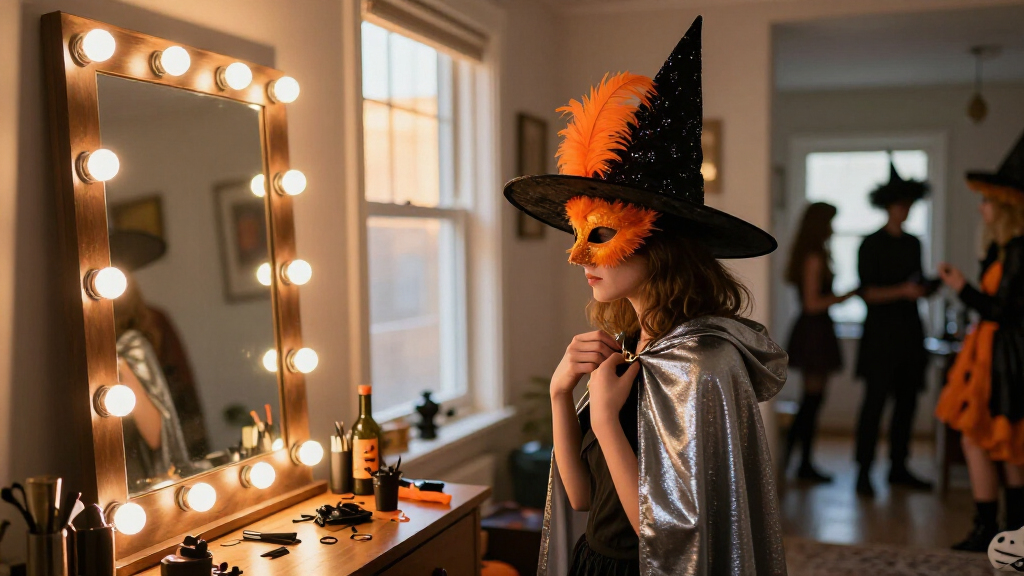
A black shirt, a red scarf, and one pointed hat can say “witch” before you’ve said a word. Halloween costume accessories often do more to make a look recognizable than a whole new outfit.
This guide will help you choose pieces that suit your costume, your plans, and your comfort. You’ll find simple ways to finish a look, ideas for last-minute and DIY accessories, and practical checks for wearing them safely through a full evening.
Start with one or two signature details, such as a character’s hat, hairstyle, or prop.
Choose accessories that suit your plans for the night, and check fit, visibility, breathing, and movement.
Check the size chart because sizing varies by brand, and confirm that accessories work with glasses or mobility aids.
For DIY props, use lightweight materials, secure attachments, and soft or blunt edges.
Clean and store reusable pieces carefully so you can adapt them for another costume.
Choose One or Two Details That Make Your Costume Click
Halloween costume accessories are the details that help people recognize your character, creature, or theme. A hat, signature prop, distinctive hairstyle, or coordinated makeup can do the job without a complete costume. For example, a striped shirt and a paper magnifying glass can make you read as a detective at a party.
Start with the detail most closely tied to your idea. A pirate might need a bandanna and an eye patch; a space explorer could use silver gloves and a cardboard control panel. One clear visual clue often beats a jumble of unrelated pieces.
Ask yourself what someone would notice from across the room. A bright red cape makes a superhero easy to spot, while a tiny badge may disappear in a crowd. If you already own a useful item, such as a scarf or boots, build around it.
A recognizable costume is a small story told through a few details. Choose accessories that point in the same direction.
This approach also helps set a useful limit: choose details that reinforce the same idea, then stop when the character is clear. Extra accessories can add personality, but each one takes time to wear, carry, or keep track of. A coordinated pair usually gives a stronger impression than several competing clues.
Compare Accessories by Comfort, Fit, and Reuse
Halloween costume accessories work best when they match both your costume and the way you’ll spend the evening. A dramatic mask may look right for a quick photo, while face paint or a partial mask may feel better for hours of conversation. Picture a school party that runs into trick-or-treating: walking shoes and an easy-to-carry prop will matter more as the night goes on.
| Accessory | Good for | Check before you go |
|---|---|---|
| Hat or headpiece | Adding a clear character cue | Fit, secure attachment, and unobstructed vision |
| Mask | A bold, recognizable look | Clear sight, easy breathing, and comfortable wear |
| Prop | Giving your character a signature detail | Soft or blunt edges and easy handling |
| Makeup or face gems | Adding color without a full mask | Skin-safe labeling and a small-area test |
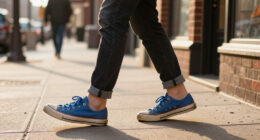
| Themed shoes | Carrying a look from head to toe | Walking comfort and a secure fit |
Sizing varies by brand, so check the seller’s size chart and return details before ordering. A strap that fits one costume mask may pinch over glasses or a head covering. If you use a mobility aid, check that capes, props, and loose fabric won’t catch on it.
Think about comfort as a tradeoff between appearance and how long you expect to wear the item. A rigid headpiece may hold its shape in photos but press on your head over several hours; a softer one may be easier to wear and store, though less dramatic. Trying accessories with the full outfit helps reveal conflicts early, such as a hat that shifts when you turn or shoes that feel fine indoors but are tiring outdoors.
Reusability can be part of the comparison, too. A simple scarf or sturdy prop may work with several costumes, while a highly specific piece may only suit one character. If you expect to reuse it, consider whether it can be cleaned, stored without damage, and adjusted for different outfits.
Turn Everyday Clothes Into a Last-Minute Costume
Halloween costume accessories can transform ordinary clothes into a recognizable look when you pick pieces with a shared theme. A white shirt, dark trousers, and a red bow tie become a simple magician outfit with a top hat and a deck of cards. Start with the clothes you have, then add one or two details people can identify quickly.
- Pick a simple idea: Choose a character or theme that fits clothes already in your wardrobe.
- Add its clearest clue: Try a themed hat, scarf, sunglasses, cape, or prop.
- Check the whole look: Move around and see whether the accessories stay put and feel comfortable.
- Keep a backup: Bring a spare hair tie, safety pin, or small repair item when it makes sense.
For a low-effort ghost, a pale outfit and a dramatic scarf can feel more personal than a sheet with eye holes. The same principle works for a gardener, artist, or detective: familiar clothes, a useful prop, and one bold color can tell the story.
Starting with clothes you already own saves both shopping time and money, but it also means the costume may depend more heavily on its accessories. Choose a clue that is easy to recognize and easy to wear: a prop that needs constant holding may become inconvenient at a party, while a scarf or hat leaves your hands free. A quick movement check matters because an accessory that shifts or falls off can make a simple costume harder to enjoy than a more elaborate one.
If the idea is not immediately clear, add one stronger cue rather than several unrelated ones. That keeps the look coherent and makes last-minute adjustments manageable. A backup pin or hair tie is useful for small fit problems, but it cannot make an uncomfortable or poorly secured item suitable for a long evening.
Make DIY Accessories That Stay Light and Secure
DIY Halloween costume accessories are easy to make from lightweight household and craft supplies, as long as the finished piece has secure attachments and no sharp edges. To make a simple star wand, wrap a cardboard star in foil, attach it to a short paper tube, and tape the join firmly. It should feel easy to hold, not like a weight at the end of your arm.
Try felt, cardboard, soft fabric, or foam for pieces you’ll carry or wear. Check that small decorations won’t come loose, especially if a child will handle the accessory. A paper crown with a soft elastic band, for instance, may stay put better than one balanced loosely on top of the head.
Comfort depends on the wearer and the setting. An adjustable band may help with different head sizes, while a lightweight cape may feel less distracting than stiff fabric. If masks feel restrictive, try makeup or a partial mask; fit, sight, breathing, and movement all matter.
Costume materials vary, and makeup deserves its own check. Use products labeled for skin, follow their directions, and test a small area ahead of time if irritation is a concern. Keep products away from the eyes unless their labels say they are intended for that use.
Lightweight materials reduce strain and make props easier to carry, but light construction still needs to hold together. Weak joins can fail at the moment an accessory is most useful, so reinforce connections and test them with the motions you expect to make. For a child’s prop, inspect small decorations before and after use; loose parts can be a hazard as well as a nuisance.
Fit is a practical design choice, not just a finishing touch. An adjustable band can accommodate hair or a head covering, while a secure attachment keeps a piece from needing constant attention. The right option depends on the wearer: a full mask may provide a strong effect, but makeup or a partial mask can leave more of the face unobstructed and may be easier to wear for a long event.
Makeup can also affect comfort after the costume comes off. Following the product directions and testing a small area ahead of time can help you notice a reaction before a full evening of wear. Avoiding use near the eyes unless the label specifically permits it reduces the chance of irritation in a sensitive area.
Keep Nighttime Accessories Visible and Easy to Wear
Halloween costume accessories should fit securely and leave you free to see, breathe, and move. For an evening walk, add reflective details or carry a light, and choose props with soft or blunt edges. A child’s plastic sword may suit the character, but a short foam version is easier to carry through a crowded sidewalk.
Check the costume before heading out: can you see clearly, bend comfortably, and walk without tripping? Long trailing fabric can snag or sweep near candles, so keep it short and away from open flames. At a venue, check its rules before bringing masks, toy weapons, or oversized props.
Comfort shapes how long you’ll want to wear a costume. Adjustable straps, breathable fabric, and shoes that work for walking can make the difference between enjoying the evening and carrying your accessories home after an hour. Try everything together first; a hat that fits on its own might not sit comfortably over a wig.
If an accessory blocks your vision, limits your movement, or makes breathing difficult, change the fit or choose another piece.
Visibility is especially important outdoors because costumes, dark clothing, and nighttime conditions can make it harder for others to notice you. Reflective details and a light help address that problem without needing to change the character. Keep them visible when the costume is worn as planned; a reflective strip hidden under a cape cannot help much.
Walk through the route or activity you expect to do while wearing the costume. A prop that is easy to hold standing still may occupy a hand needed for stairs or crossing streets, and a long cape may catch when you turn. These checks help identify whether an accessory needs shortening, securing, or replacing before you leave.
Venue rules are another practical constraint: a mask or toy weapon may be part of the look but still be prohibited. Checking in advance avoids arriving with a piece you cannot use, and lets you plan a substitute that keeps the costume recognizable.
Reuse Your Favorite Pieces and Store Them for Next Year
Reusable Halloween costume accessories can make next year’s costume easier and cut down on one-night purchases. A cape might work for a superhero this year and a vampire next year; face gems or a bright scarf can join several different looks. When you shop, check what a piece is made from and whether it feels sturdy enough to use again.
Secondhand shops, borrowed items, and craft supplies you already own are good places to start. Some shoppers look for recycled materials, but product claims and availability vary by seller, so read the item details rather than assuming. A well-made accessory that suits more than one outfit can earn its place in your costume box.
After Halloween, clean accessories according to their care instructions and let them dry fully. Store them in a labeled container away from heat, moisture, and crushing. For example, keep a fabric cape folded flat and place a delicate headpiece on top, where heavier props won’t bend it.
A reusable item is most valuable when it remains comfortable and usable, not simply because it survives storage. Versatile colors and adjustable fastenings can help a piece fit more than one costume, while fragile decorations or difficult cleaning may make an item less practical to keep. Comparing likely reuse with price and care needs can help you avoid buying something that becomes clutter after one night.
Care protects both the appearance and function of an accessory. Dirt or moisture left on fabric can affect it in storage, and a bent headpiece may be difficult to restore next season. Labeling the container also makes it easier to find the right pieces later, so you can build a new look from what you already have rather than starting with another purchase.
Frequently Asked Questions
What accessories make a costume look finished?
Choose one or two recognizable details, such as a character’s hat, signature prop, hairstyle, or coordinated makeup. A striped shirt and a magnifying glass, for example, can quickly suggest a detective.
What are safe accessories for children?
Choose pieces that fit securely and preserve clear vision, easy breathing, and free movement. Soft props, short fabric, and reflective details can work well for nighttime outings; avoid sharp edges and long parts that drag.
Are costume masks safe to wear?
A mask can be uncomfortable or hazardous if it restricts sight, breathing, or movement. Check the fit before wearing it for a full evening, and try makeup or a partial mask if the full mask feels restrictive.
How can I make costume makeup less likely to irritate my skin?
Use products labeled for skin and follow the directions on the package. If irritation is a concern, test a small area ahead of time, and keep makeup away from the eyes unless it is labeled for that use.
How can I make Halloween accessories more sustainable?
Borrow pieces, shop secondhand, or adapt items you already own before buying new accessories. When you do buy, check the material and durability details; seller claims and product availability vary.
Conclusion
Pick the accessory that tells your costume’s story, then check that it feels good to wear. A well-chosen hat, prop, or pair of themed shoes can turn clothes you already own into a look people remember.
Keep the piece that made you smile in a labeled box, ready for its next Halloween.
Halloween Picks
halloween
As an affiliate, we earn on qualifying purchases.