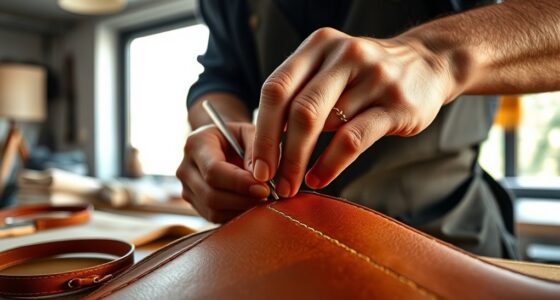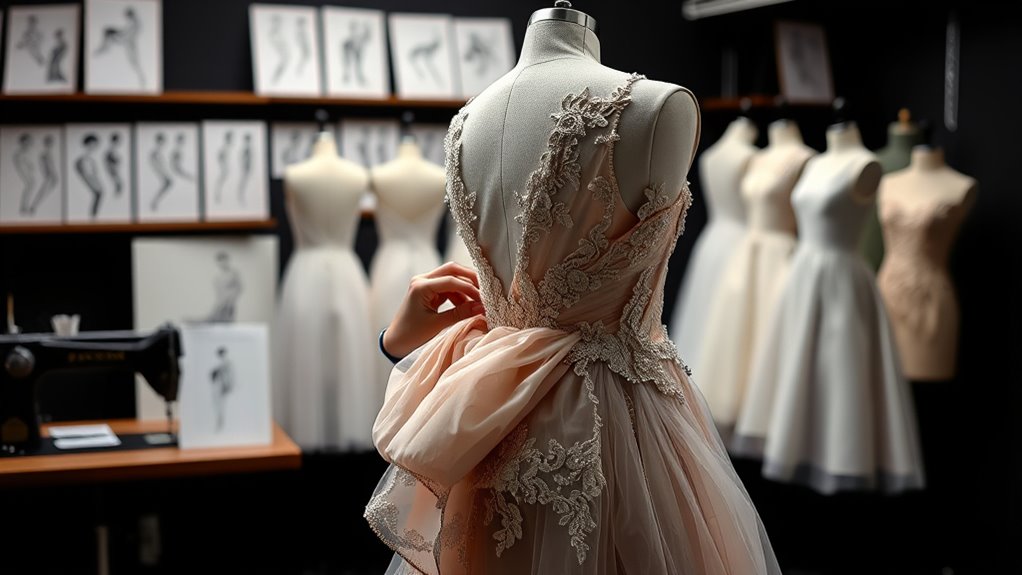

To earn the ‘couture’ title, a fashion house must meet strict standards set by France’s Chambre Syndicale de la Haute Couture. This involves making exclusive, custom-fitted garments using the finest, often rare fabrics, crafted through meticulous handwork and innovation. These pieces showcase artistry and craftsmanship, emphasizing tradition and personalization. Only houses that meet these demanding criteria can call themselves haute couture. If you want to uncover what makes these creations so unique, there’s more to explore.

Get your wardrobe favorites delivered free with Prime
- Fast, free delivery on millions of items
- Prime Video, Amazon Music and more included
- Member-only deals all year
Key Takeaways
- A fashion house must be officially authorized by the Chambre Syndicale de la Haute Couture in France.
- Garments are custom-made, fitting each client precisely through extensive tailoring.
- The house must produce a minimum of two haute couture collections annually.
- Each piece involves high craftsmanship, including hand-sewn embroidery, beadwork, and detailed finishing.
- The house adheres to strict standards of artistry, innovation, and exclusivity to maintain the ‘couture’ title.

Have you ever wondered what truly sets haute couture apart from other fashion? It’s a question that taps into the rich tapestry of fashion history, where craftsmanship and exclusivity define a genre unlike any other. Haute couture, at its core, is about more than just beautiful garments; it’s about a deep-rooted tradition of artistry, innovation, and meticulous detail. To earn the coveted title of “haute couture,” a fashion house must meet strict standards established by the Chambre Syndicale de la Haute Couture in France. One of the most fundamental criteria involves fabric selection. You might not realize it, but fabric choice is the backbone of haute couture. Designers don’t just pick any fabric—they select luxurious, often rare textiles that require expert handling. These fabrics are carefully sourced, sometimes custom-dyed or woven specifically for a particular piece, ensuring each creation is unique in texture, appearance, and feel. This deliberate selection process is essential because it directly influences how the garment looks and drapes, ultimately elevating the entire design.
In the realm of fashion history, haute couture has always been about pushing boundaries and celebrating craftsmanship. Long before mass-produced fashion took over, couture houses like Chanel, Dior, and Givenchy cultivated a legacy rooted in hand-sewn details and innovative techniques. Each piece is a work of art, often involving dozens of hours of handwork—embroidery, beadwork, and tailoring that require an extraordinary level of skill. This historical tradition emphasizes the importance of preserving techniques passed down through generations, ensuring that each garment is not only fashionable but also a testament to the history of fashion itself.
When you understand the importance of fabric selection and fashion history, you see that haute couture is an intricate dance between tradition and innovation. It’s about creating garments that are as much about artistry as they are about wearability. The fabric’s quality enhances the craftsmanship, making each piece stand out as a masterpiece. These garments are made to measure, fitting the client perfectly, which is another hallmark of couture. The process involves close collaboration between designer and client, with every detail tailored to personal specifications. This level of customization and dedication distinguishes haute couture from ready-to-wear or pret-a-porter collections. It’s an exclusive world where history, craftsmanship, and the finest fabrics converge, resulting in garments that are truly one-of-a-kind.
luxury fabric swatches for couture
As an affiliate, we earn on qualifying purchases.
As an affiliate, we earn on qualifying purchases.
Frequently Asked Questions
How Long Does It Typically Take to Create a Couture Piece?
Creating a couture piece typically takes about 150 to 200 hours, depending on the complexity. During the craftsmanship timeline, skilled artisans meticulously hand-stitch and detail every element. You’ll see the design development process unfold over weeks, with multiple fittings and adjustments. This dedication guarantees each piece is a masterpiece, reflecting the high level of craftsmanship and artistry that defines haute couture.
What Is the Average Cost of a Haute Couture Dress?
You’re stepping into a world of luxury craftsmanship, where haute couture dresses can command prices starting around $50,000. For an exclusive clientele, these garments often reach six figures, reflecting meticulous handwork and premium materials. The cost isn’t just about fabric; it’s about artistry, precision, and personalized attention. When you invest in a couture piece, you’re embracing a level of craftsmanship that transforms fabric into wearable art.
How Many Clients Does a Typical Couture House Serve Annually?
You typically serve around 30 to 50 clients annually, emphasizing client exclusivity. Couture houses prioritize boutique accessibility, offering personalized fittings and one-of-a-kind creations, which keeps their clientele small and special. This limited client list guarantees each customer receives dedicated attention, allowing the fashion house to maintain the highest standards of craftsmanship and exclusivity that define haute couture.
Are Couture Pieces Only Available by Appointment?
You’ll find couture pieces are only available by appointment, emphasizing their exclusivity. Typically, clients visit an exclusive showroom or attend private viewings, ensuring personalized service and privacy. Couture houses often limit access to maintain their prestige, with many offering private appointments rather than walk-in visits. This approach keeps their designs rare and highly coveted, making each piece a truly unique experience for those fortunate enough to schedule a private viewing.
What Are the Environmental Impacts of Producing Haute Couture?
You might wonder about haute couture’s environmental impacts. Producing these intricate garments can be resource-intensive, but many designers now embrace sustainable practices and eco-friendly materials to minimize harm. By choosing organic fabrics, reducing waste, and implementing ethical labor standards, you help support a more eco-conscious industry. This shift not only benefits the planet but also aligns haute couture with modern values of sustainability and responsible fashion.
As an affiliate, we earn on qualifying purchases.
Conclusion
Now that you know how a fashion house earns the coveted ‘couture’ title, you see it’s not just about fabric and stitches—it’s about weaving dreams into reality. Think of haute couture as a shimmering star in the fashion galaxy, shining brightly because of its craftsmanship and exclusivity. So next time you admire a couture gown, remember you’re gazing at a masterpiece born from passion, precision, and a touch of magic, crafted just for those who dare to dream boldly.
tailoring tools for custom garments
As an affiliate, we earn on qualifying purchases.
As an affiliate, we earn on qualifying purchases.
As an affiliate, we earn on qualifying purchases.
Halloween Picks
halloween
As an affiliate, we earn on qualifying purchases.