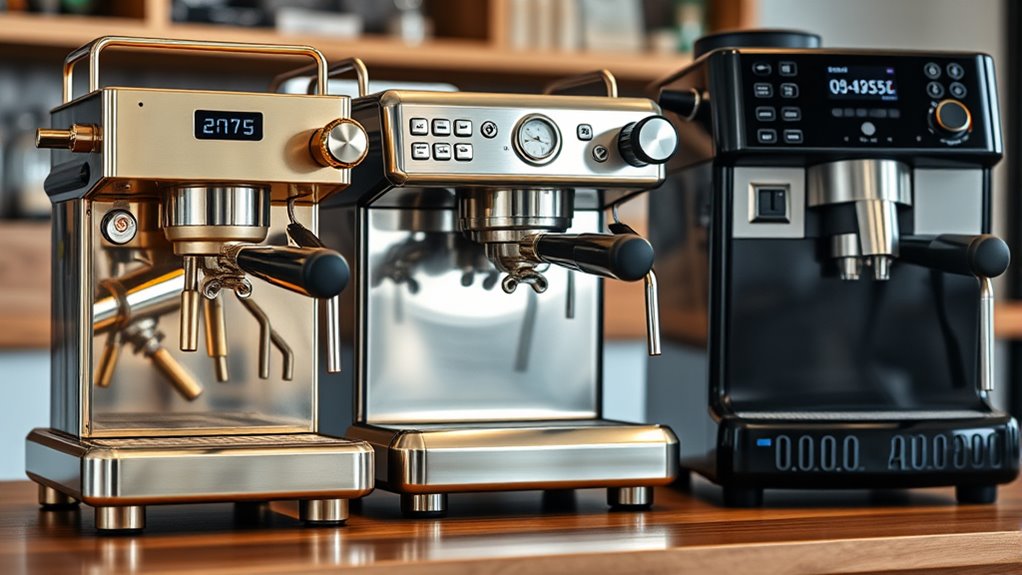

Choosing the right espresso machine depends on your skill level and how involved you want to be. Lever machines give you manual control over pressure, but they require practice. Semi-auto models combine some automation with customization, offering control over grinding, tamping, and extraction. Fully auto machines provide quick, consistent drinks with minimal effort. If you want to explore all options and find what suits you best, keep exploring the details below.
Key Takeaways
- Lever machines are manually operated, requiring skill to control pressure and extraction timing.
- Semi-automatic machines combine manual control with automation, allowing customization of shot strength and temperature.
- Super-automatic machines automate grinding, brewing, and steaming for quick, consistent espresso with minimal user effort.
- Lever models focus on skill and pressure mastery, while super-automatics prioritize convenience and ease of use.
- Choice depends on user preference for control, skill level, and desired convenience in espresso preparation.
Top picks for "auto espresso machine"
Open Amazon search results for this keyword.
As an affiliate, we earn on qualifying purchases.
Understanding Lever Espresso Machines
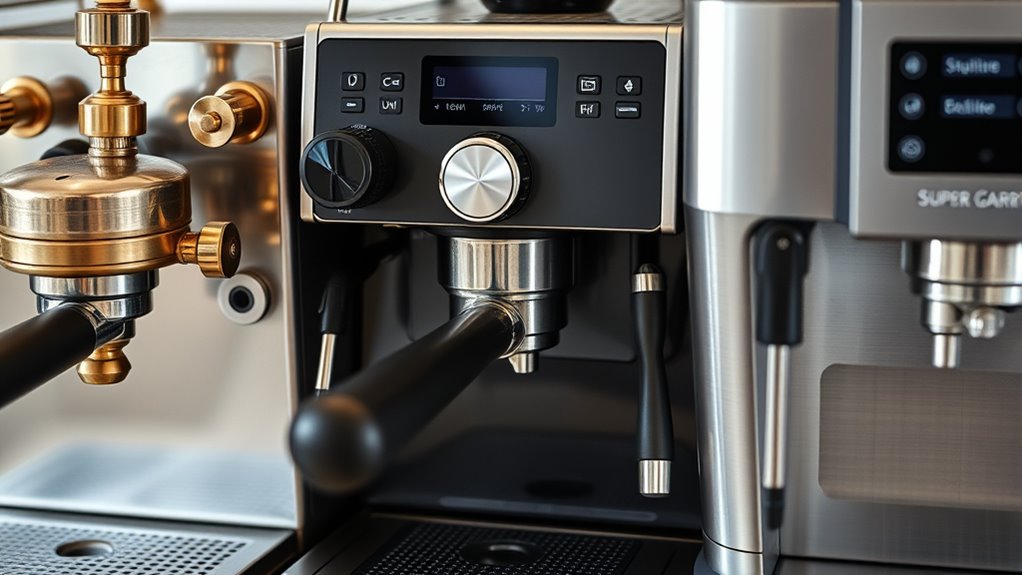
While lever espresso machines may seem old-fashioned, they offer a level of control that many enthusiasts appreciate. The key feature is the lever mechanism, which you operate manually to generate pressure. Instead of relying on automatic pumps, you pull the lever to create a precise, consistent force necessary for brewing espresso. Many models incorporate a pressure gauge, allowing you to monitor and adjust pressure during extraction, ensuring ideal results. This hands-on approach gives you direct control over shot timing and pressure, leading to a more personalized coffee experience. Mastering pressure control can significantly improve your espresso quality and consistency. Developing technique and familiarity with your machine can help you achieve optimal extraction and flavor profile every time. Furthermore, understanding the mechanics behind the lever operation can enhance your skill and confidence in crafting espresso. Paying attention to pressure stability is crucial for consistent results and a better tasting shot. Additionally, honing your barista skills can elevate your overall espresso craftsmanship.
Features of Semi-Automatic Espresso Machines
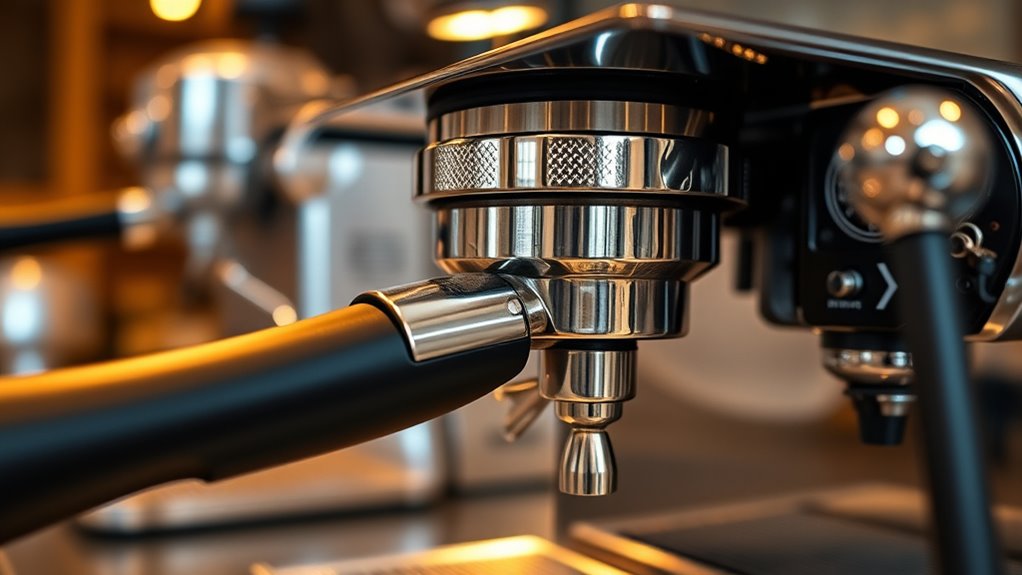
Semi-automatic espresso machines combine manual control with convenient automation, giving you the ability to manage key steps without sacrificing flexibility. You can adjust the brew strength by controlling the grind size, tamping pressure, and extraction time, allowing you to customize each shot. Water temperature control is also a key feature, enabling you to set the ideal temperature for *best* flavor extraction. Many models have built-in PID controllers to maintain consistent water temperature, ensuring every shot is balanced and flavorful. While they automate the brewing process, you still operate the steam wand and decide when to start and stop extraction. This blend of control and automation helps you craft high-quality espresso tailored to your taste preferences. Additionally, high customer reviews highlight durability and performance as key benefits of many semi-automatic models.
Advantages of Fully Automatic Espresso Machines

Fully automatic espresso machines offer unmatched convenience and speed, letting you enjoy your coffee with just the push of a button. They deliver consistent beverage quality every time, so you can rely on a perfect cup without fuss. Plus, they’re designed for easy maintenance, saving you time and effort in the long run. Additionally, smart appliance features enhance user experience by enabling remote control and customization. Modern models often include integrated water filtration, which improves the taste and extends the machine’s lifespan. Incorporating drone safety features can also help prevent accidents and ensure safe operation in various environments. Moreover, user-friendly controls make operation straightforward for beginners and seasoned baristas alike. Recognizing the importance of digital distractions, many models now include features to minimize interruptions and help users stay focused on brewing.
Convenience and Speed
Fully automatic espresso machines make it incredibly easy to enjoy your favorite coffee drinks quickly. With just a push of a button, you get consistent grind size and grind consistency, ensuring each shot is perfect. These machines automatically adjust water temperature, optimizing extraction for rich flavor without any guesswork. You don’t need to measure or monitor the process, saving you time and effort. The built-in grinders and precise temperature controls mean you get a high-quality espresso every time, without waiting for manual adjustments. Plus, many models have pre-programmed options for different drinks, so you can customize your coffee with minimal effort. This combination of automation and speed allows you to enjoy your coffee quickly and conveniently, perfect for busy mornings or when you’re craving a quick caffeine fix.
Consistent Beverage Quality
Because fully automatic espresso machines handle every step of the brewing process, you can count on consistently high-quality beverages each time you make coffee. They precisely control brew strength by adjusting parameters like grind size and extraction time, ensuring your coffee always meets your preferences. Water temperature regulation is also automated, maintaining ideal heat for extracting rich flavors without bitterness. This consistency means you don’t have to worry about variations in taste or strength from shot to shot. Whether you prefer a bold espresso or a milder brew, the machine guarantees the same quality every time. By removing guesswork, fully automatic machines deliver reliable results and help you enjoy café-quality coffee in the comfort of your home.
Easy Maintenance
One of the key advantages of fully automatic espresso machines is their ease of maintenance, which saves you time and effort. These machines simplify cleaning routines with automated functions that handle descaling, rinsing, and drip tray emptying at the push of a button. Their intuitive user interface guides you through each step, reducing guesswork and ensuring proper upkeep. You won’t need to disassemble parts or scrub hard-to-reach areas frequently, as maintenance is mostly automated. This convenience allows you to enjoy fresh espresso without the hassle of extensive cleaning. Plus, the clear display and straightforward controls make it easy to stay on top of routine maintenance, keeping your machine in supreme condition for consistently great coffee.
Comparing Control and Convenience
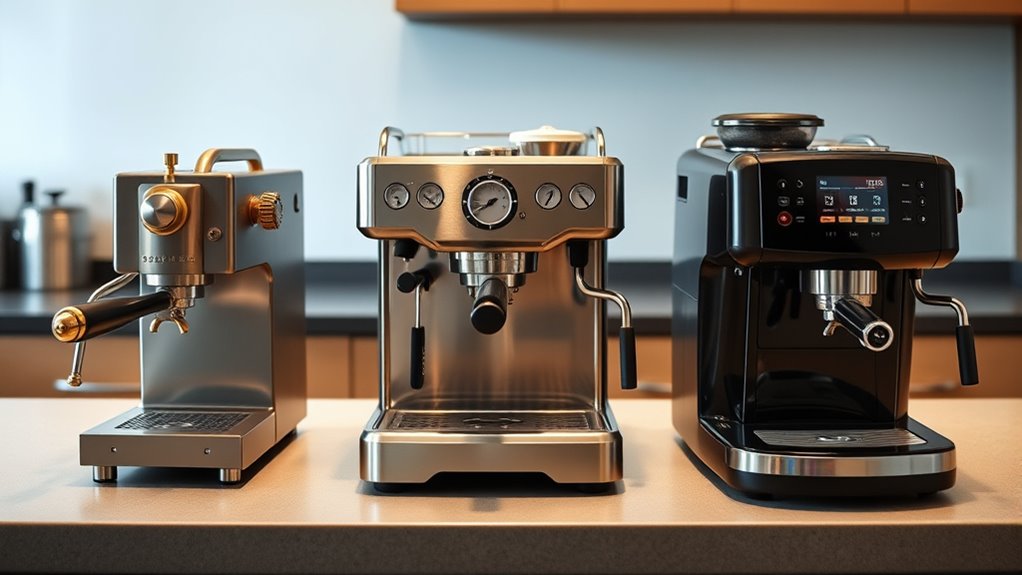
When choosing between control and convenience in espresso machines, understanding how each option affects your brewing experience is essential. Control-focused machines, like lever or semi-auto types, give you better grind consistency and precise steam wand control, allowing you to fine-tune every shot. This means more engagement and the ability to customize your espresso exactly how you like it. In contrast, convenience-oriented machines, such as super-auto models, simplify the process with automated grinding and steaming, saving you time and effort. While they may sacrifice some control, they deliver consistent results with minimal skill. Your choice depends on whether you prefer the hands-on experience and precision of control or the ease and speed of convenience. Consider your skill level and how much involvement you want in the brewing process.
Design and Build Quality Considerations
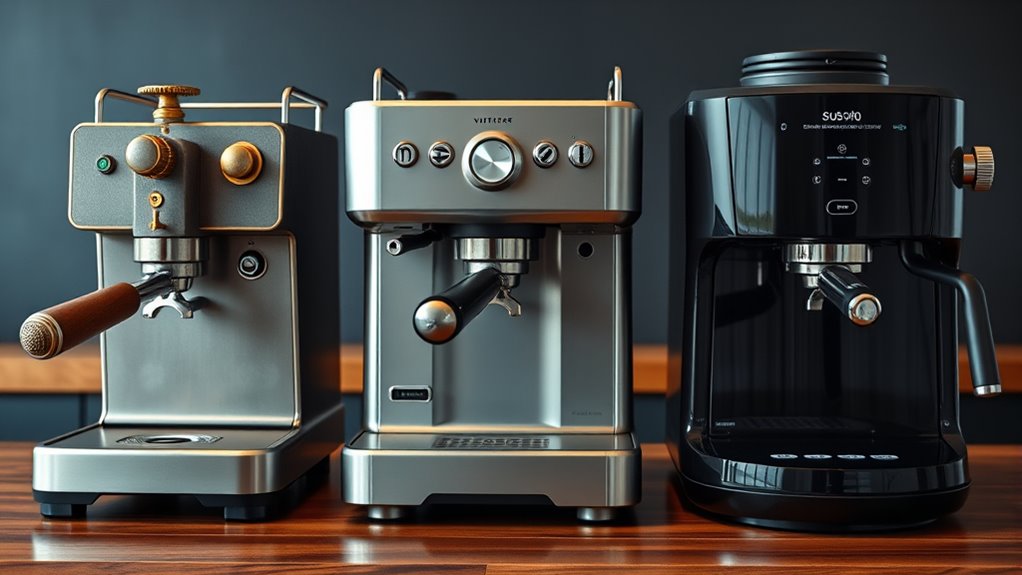
The design and build quality of an espresso machine substantially influence its durability, performance, and ease of maintenance. When evaluating these aspects, consider materials selection carefully. High-quality metals like stainless steel or brass often guarantee longevity and effective heat retention, while plastic components may reduce costs but can compromise durability. Aesthetic design also plays a role, as a well-crafted machine with a sleek, intuitive layout can enhance your user experience. Look for sturdy construction with solid fittings and minimal wobbling. The materials you choose impact not only how long your machine lasts but also how it performs over time. Prioritizing robust materials combined with a thoughtful aesthetic design helps ensure your espresso machine remains reliable, efficient, and visually appealing for years. Additionally, design and build quality are crucial for ensuring safety and consistent performance during daily use. Considering the materials selection carefully can make a significant difference in the long-term reliability of your espresso machine. Incorporating durability factors like corrosion resistance and thermal stability further enhances the longevity and consistent operation of your machine. Understanding topical authority in materials and design can guide better choices for your appliance. Incorporating manufacturing standards is also vital to maintain quality consistency across different units.
Maintenance and Durability Factors
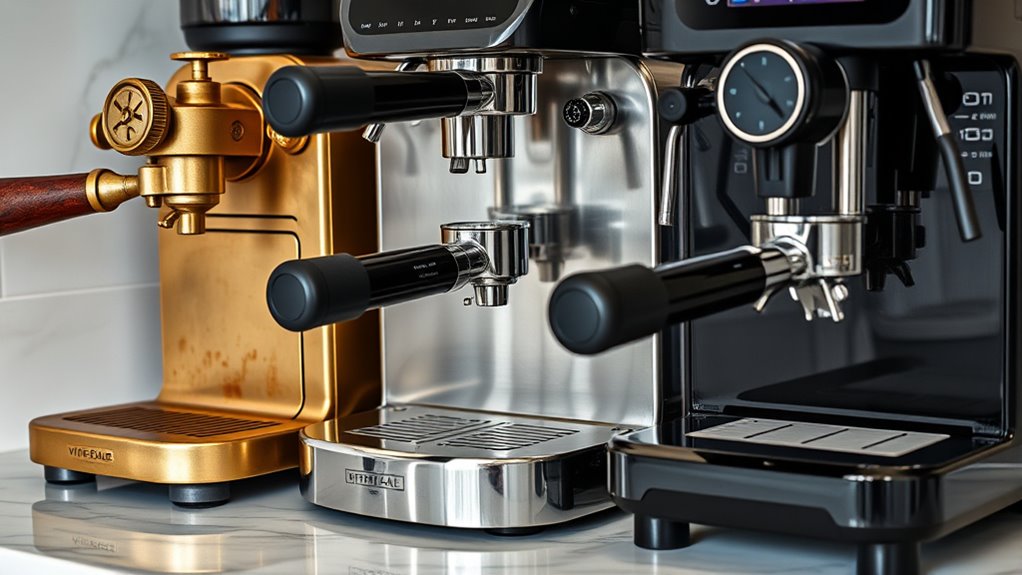
Maintaining your espresso machine properly is essential to guarantee it remains durable and functions reliably over time. Regular cleaning prevents mineral buildup, especially during the descaling process, which is critical for avoiding clogs and maintaining ideal water temperature. Ensuring your machine operates at the correct water temperature produces the best espresso and prevents damage to internal components. Use the following table to track maintenance tasks:
| Task | Frequency | Tips |
|---|---|---|
| Descaling | Every 1-3 months | Use manufacturer-recommended descaler |
| Cleaning group head | After each use | Flush with water and brush |
| Check water filters | Monthly | Replace if clogged |
| Inspect seals | Quarterly | Replace worn seals |
| Test water temperature | Regularly | Use a thermometer to verify |
| Monitor water quality | Regularly | Ensuring filtered water reduces mineral deposits and prolongs machine life. Proper water quality is vital for maintaining machine durability and consistent performance. Additionally, staying vigilant about water quality can prevent issues related to mineral buildup. Regularly checking water hardness levels can help adjust maintenance routines accordingly. Proper maintenance extends your machine’s lifespan and ensures consistent, quality coffee. |
Cost and Value for Different Machine Types
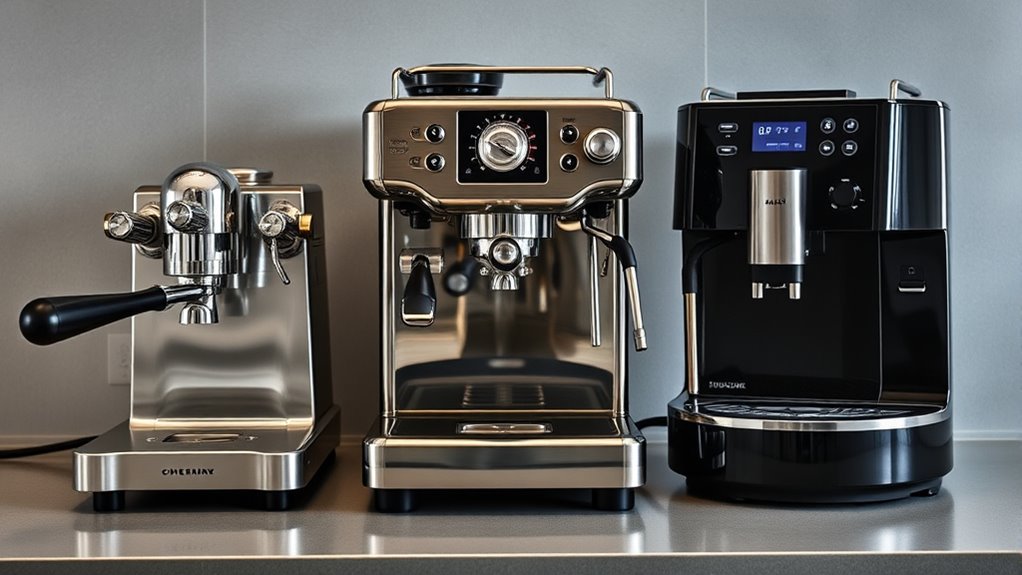
Choosing the right espresso machine involves balancing upfront costs with long-term value. When comparing different types, consider their pricing strategies—lever-auto machines often have higher initial prices but offer convenience, while lever models tend to be more affordable but require skill. Semi-auto machines strike a balance between cost and control. Brand reputation influences both quality and resale value, so investing in reputable brands can pay off over time. Keep in mind that lower-priced machines might save you money initially but could lead to higher maintenance costs or shorter lifespan. Conversely, premium machines may have higher upfront costs but deliver better performance and durability. machine durability and ease of maintenance are crucial factors to consider for sustained enjoyment. Additionally, understanding the cost-to-value ratio can help you select a machine that best fits your lifestyle and preferences, ensuring long-term satisfaction.
Choosing the Right Machine for Your Coffee Needs
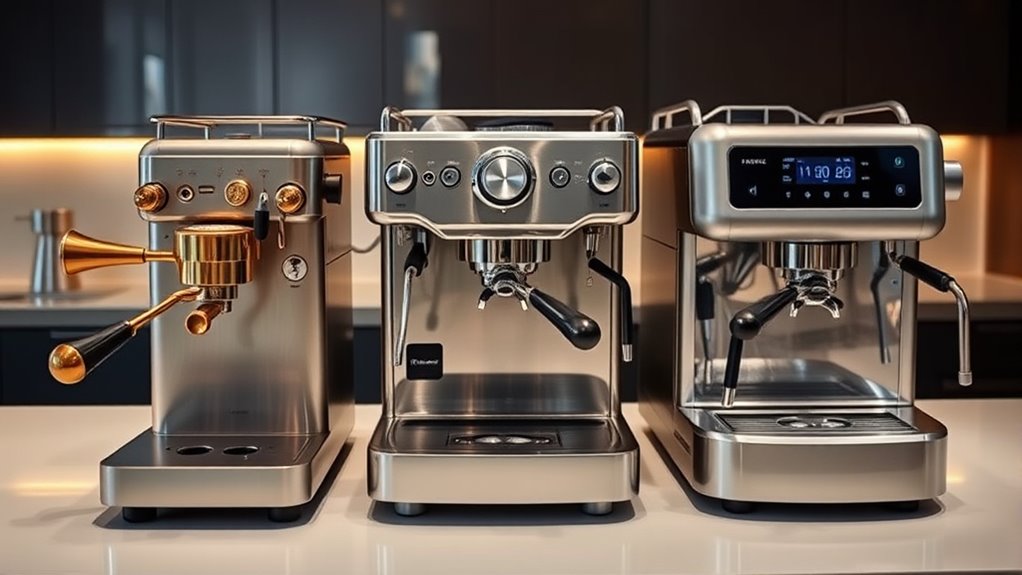
To find the best espresso machine for your coffee habits, you need to contemplate how you like to brew and the features that matter most to you. If you enjoy honing your barista skills and customizing each shot, a semi-auto or lever machine might suit you, offering control over grind size, tamping, and extraction. Grinder compatibility is vital here, so ensure your machine works well with your preferred grinder. If convenience is your priority, a super-auto machine simplifies the process with built-in grinders and automated functions. Consider how much effort you want to invest and your comfort level with brewing techniques. By understanding your skill level and preferences, you can select a machine that enhances your coffee experience without unnecessary complexity.
Frequently Asked Questions
Which Espresso Machine Type Is Best for Beginners?
For beginners, a super-auto espresso machine is your best choice. It simplifies manual brewing by automating grinding, tamping, and brewing, so you can focus on enjoying your coffee. Plus, it requires less maintenance compared to lever or semi-auto machines, which need more manual effort and regular upkeep. This user-friendly option lets you make great espresso easily while reducing the learning curve and maintenance hassle.
Can I Customize Shot Timing on Semi-Automatic Machines?
Yes, you can customize shot timing on semi-automatic machines. They offer manual control, allowing you to start and stop the shot as you prefer. This means you can adjust the shot timing to match your taste or specific beans, giving you more control over the extraction process. With some practice, you’ll be able to perfect your espresso by precisely managing shot timing, resulting in a richer, more personalized brew.
Do Super-Automatic Machines Produce Consistent Espresso Shots?
Think of a super-automatic machine as your loyal barista, consistently delivering your favorite espresso with automatic grind and milk frothing. It’s designed for reliability, so you get a good shot every time. While it may not allow for as much customization as semi-automatics, its built-in features guarantee each cup is as perfect and consistent as the last, making your mornings smoother and more predictable.
Are Lever Machines Suitable for High-Volume Coffee Shops?
Lever machines aren’t ideal for high-volume coffee shops because they require manual brewing and artisanal techniques, which slow down your service. You need to pull each shot carefully by hand, making it challenging to keep up with demand. If you prioritize speed and consistency, semi-automatic or super-automatic machines are better suited. Lever machines shine in small settings where craftsmanship and personalized brewing are more important than rapid output.
How Do Machine Sizes Vary Between Different Types?
You’ll find that machine sizes vary considerably between types, affecting their footprint and portability. Lever machines are usually compact, making them suitable for small spaces or mobile setups. Semi-auto machines are larger, often requiring more counter space due to their internal components and water reservoirs. Super-auto machines tend to have a bigger footprint because of integrated grinders and user-friendly features, but their portability is limited, so consider your space and mobility needs carefully.
Conclusion
Choosing the right espresso machine is like finding the perfect key to unlock your coffee’s true potential. Whether you prefer the hands-on charm of a lever, the balance of semi-auto, or the effortless glide of a super-auto, each type offers a unique flavor of control and convenience. Consider your brewing style, budget, and daily routine—then pick the machine that’ll turn your kitchen into a personal coffee shop, brewing perfection with every shot.