
To enjoy oysters at home safely, buy from reputable sources and check they smell briny and feel heavy. Keep them cold until you’re ready to shuck, using a towel or glove for safety. Insert the oyster knife into the hinge and twist to open, keeping the liquor intact. Discard any oysters with off odors or dried shells. With proper technique and attention to freshness, you’ll master preparing oysters confidently—stay tuned for more expert tips.
Key Takeaways
- Always buy oysters from reputable sources and keep them cold until ready to shuck.
- Use a proper oyster shucking technique with a secure towel and sharp knife to ensure safety.
- Inspect oysters for a briny smell, heavy feel, and closed shells to confirm freshness.
- Discard any oysters with off odors, cracked shells, or shells that don’t close when tapped.
- Serve oysters immediately after shucking and enjoy with lemon, hot sauce, or mignonette for best flavor.
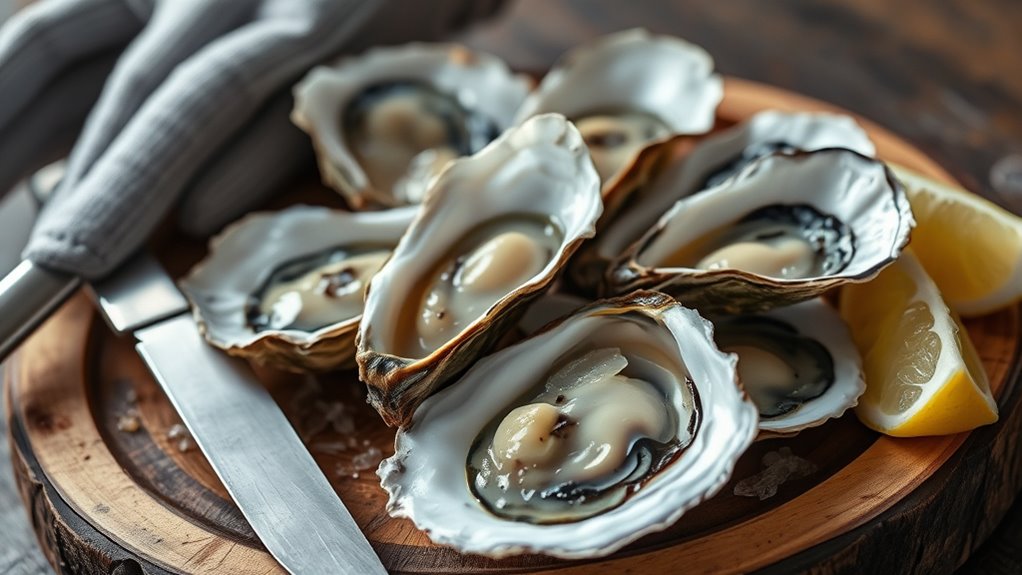
Have you ever wondered how to enjoy fresh oysters without leaving your home? Achieving that perfect oyster experience starts with understanding oyster freshness. Fresh oysters should smell like the ocean—briny, clean, and slightly sweet. When you pick them up, they should feel heavy for their size, indicating they’re full of their natural juices. Avoid oysters with cracked shells, a strong fishy odor, or shells that don’t close when tapped. These signs suggest the oysters may not be fresh or could be dead, which could pose health risks. Confirming oyster freshness is vital because consuming spoiled oysters can lead to foodborne illnesses. Always buy from reputable sources, and if you’re not planning to eat them immediately, keep them cold and moist until you’re ready to shuck and serve.
Once you have your oysters, mastering shucking techniques is essential for safety and enjoyment. The right method keeps you safe from potential cuts and preserves the oyster’s integrity. Start by holding the oyster firmly with a clean towel or glove to protect your hand. Insert the oyster knife into the hinge, which is the pointed end of the shell, and gently twist until the shell pops open. Then, slide the knife along the top shell to detach the muscle, keeping the oyster’s liquid intact. Proper shucking not only makes the process safer but also preserves the oyster’s natural brine, which is key to its flavor. Practice makes perfect—if you’re new to shucking, watch tutorials or consider taking a class. Remember, patience and a steady hand are your best tools. A sharp oyster knife is a must-have, as dull blades require more force and increase the risk of injury.
Once open, inspect the oyster to confirm it looks plump and moist, with a clear or slightly cloudy liquor inside. If it smells off or looks dried out, discard it. Serve oysters immediately after shucking for the best taste and texture. You can enjoy them raw on the half shell, with a squeeze of lemon, a dash of hot sauce, or your favorite mignonette. Keep in mind, safety is paramount—never eat oysters that don’t seem right or that have been sitting out too long. Proper shucking techniques and attention to oyster freshness not only make your at-home experience more enjoyable but also keep you safe. With a little practice, you’ll be able to savor oysters at their peak right from your own kitchen, turning a simple seafood into a luxurious treat anytime you want.

WENDOM Oyster Knife Shucker Set Oyster Shucking Knife and Gloves Cut Resistant Level 5 Protection Seafood Opener Kit Tools Gift(2knifes+2Glove+1Cloth)
【AWAY FROM HURT】Gloves made of Highest Cut Resistance Level Material on the market. Thick knife blade is only…
As an affiliate, we earn on qualifying purchases.
As an affiliate, we earn on qualifying purchases.
Frequently Asked Questions
How Long Can Fresh Oysters Be Stored Before Shucking?
You should store fresh oysters for no more than 1 to 2 days before shucking to maintain oyster freshness. Follow proper storage guidelines by keeping them in a breathable container, like a mesh bag, in the coldest part of your fridge, ideally at 34-40°F. This helps preserve their quality and safety. Always check for any off smells or opened shells before shucking, as freshness is key.
What Are Signs of a Spoiled Oyster?
You’ll know an oyster is spoiled if its shell is open and doesn’t close when tapped, or if it has a strong, unpleasant odor. Freshness signs include a clean, briny smell and firm, plump meat. Spoiled oyster indicators also include a slimy texture and discoloration. Always trust your senses—if it smells off or looks strange, it’s safest to discard it to avoid health risks.
Can I Freeze Oysters for Later Use?
Like storing a treasure, you can freeze oysters for later use. Use proper freezing techniques to guarantee oyster preservation—shuck them, place in airtight containers or vacuum-sealed bags, and leave some space for expansion. Freeze promptly to maintain freshness, and remember they’re best enjoyed within three months. When ready, thaw slowly in the fridge. Freezing techniques help you savor oysters at your convenience without sacrificing quality.
Are There Specific Tools Recommended for Shucking Oysters?
Yes, you should use specific tools like an oyster knife and shucking gloves for safety and efficiency. The oyster knife has a short, sturdy blade to pry open shells, while shucking gloves protect your hands from slips. Always grip the oyster securely, insert the knife at the hinge, and twist gently. These tools make shucking safer and easier, reducing the risk of injury and ensuring a proper open.
Is It Safe to Eat Raw Oysters at Home Regularly?
Is eating raw oysters at home regularly like strolling through a garden of risks? While oyster farming has improved safety, raw oyster health still depends on proper handling and sourcing. If you buy from reputable suppliers and store them correctly, you can enjoy raw oysters safely often. However, be mindful of immune system vulnerabilities, as contaminated oysters can cause illness. Moderation and attention to quality are your best defenses.

ProKeeper Split Deli Food Storage Container with Air-Tight Silicone Seal and Dry Erase Compatible Lid, 11.75
Contains (1) ProKeeper Split Deli Storage Container – an airtight silicone-sealed food storage container with a clear dry…
As an affiliate, we earn on qualifying purchases.
As an affiliate, we earn on qualifying purchases.
Conclusion
Now that you know how to shuck oysters safely at home, you’re ready to plunge into this delicious adventure. Remember, each oyster is a tiny treasure chest waiting to be opened with care and confidence. With practice, you’ll master the art and enjoy the fresh taste of the sea whenever you like. So go ahead—embrace the ocean’s bounty and let each oyster remind you that even the smallest things can hold the greatest delights.

Dowellife Cut Resistant Gloves Food Grade Level 5 Protection, Safety Kitchen Cut Gloves for Chef Oyster Shucking Mandolin Knife Butcher Meat Cutting
Protect your hand from cuts and abrasions—The high performance cut resistant material HDPE is adopted and the gloves…
As an affiliate, we earn on qualifying purchases.
As an affiliate, we earn on qualifying purchases.
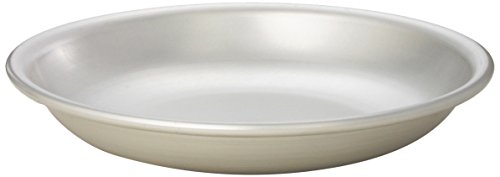
American Metalcraft SEA12 Aluminum Seafood Tray, Silver, 75-oz., 12-Inch
High-quality aluminum helps retain cold serving temperatures
As an affiliate, we earn on qualifying purchases.
As an affiliate, we earn on qualifying purchases.