To evaluate hardware quality like zippers, snaps, and buckles, focus on materials and craftsmanship. High-quality pieces often use durable metals such as brass or stainless steel, which resist corrosion and have a solid feel. Look for smooth, secure closures with tight stitching, and heavier weights indicate better manufacturing. Regular maintenance and careful inspection help extend their lifespan. Keep these tips in mind, and you’ll uncover more ways to guarantee your hardware stays in top condition.
Key Takeaways
- Choose hardware made from corrosion-resistant metals like brass or stainless steel for durability.
- Inspect for smooth, secure closures with tight stitching or seamless connections indicating quality.
- Heavier hardware typically signifies better materials and craftsmanship.
- Regularly clean and lubricate hardware to maintain functionality and prevent rust.
- Avoid plastic components, as they are generally less durable and more prone to damage.

Wonesifee Metal Zippers 12pcs #3 Antique Brass Close-end Non-Separating Zippers Assorted Colorful for Purses Bags Pockets Handbags DIY Sewing Craft Mixed 6Colors 2pcs Each (6colors, 6inch- 12pcs)
Material :#3 Antique Brass Metal Zippers;Nylon tape, metal teeth and Thickened slider,Mixed 6Colors 2pcs Each 12pcs/set
As an affiliate, we earn on qualifying purchases.
As an affiliate, we earn on qualifying purchases.
Recognizing High-Quality Zippers, Snaps, and Buckles
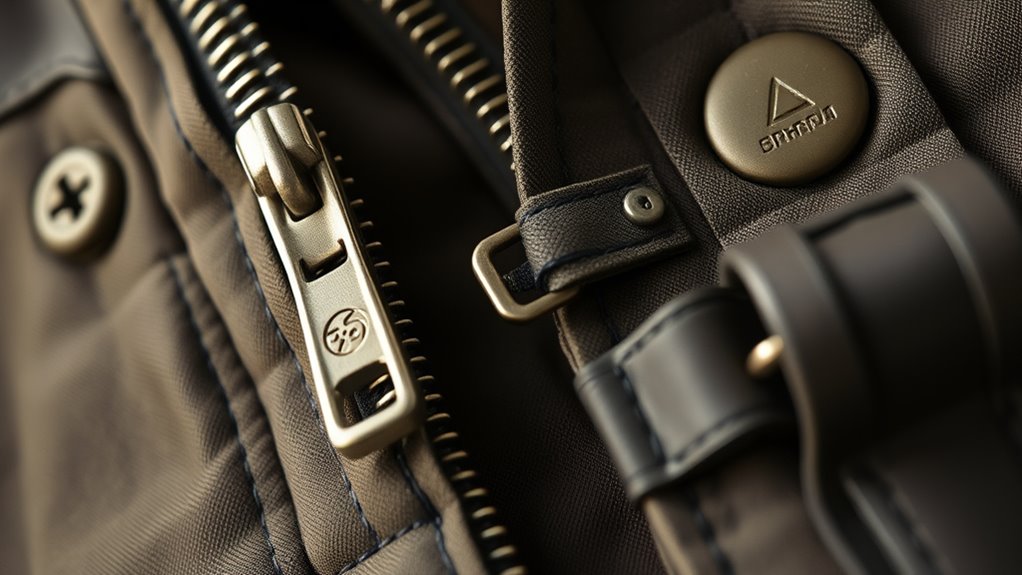
When evaluating the quality of zippers, snaps, and buckles, it’s important to look beyond their appearance and consider the materials and craftsmanship. Durability indicators are key; sturdy hardware withstands frequent use without breaking or sticking. Material differences play a significant role—metal components like brass or stainless steel are generally stronger and more resistant to corrosion than plastic. Pay attention to the construction: smooth, secure closures with tight stitching or seamless connections indicate higher quality. Check the hardware’s weight; heavier pieces often suggest better materials and craftsmanship. Also, examine the finish—well-coated or polished surfaces resist scratches and tarnish. Recognizing these factors helps you identify hardware that will perform reliably over time, ensuring your item remains functional and durable. Understanding material composition can further aid in assessing longevity and resistance to wear, especially when considering metal versus plastic components. Additionally, considering manufacturing standards can provide insight into the overall quality and durability of the hardware. A quality control process during manufacturing often results in more reliable and long-lasting hardware components, which directly ties into product reliability and user satisfaction.
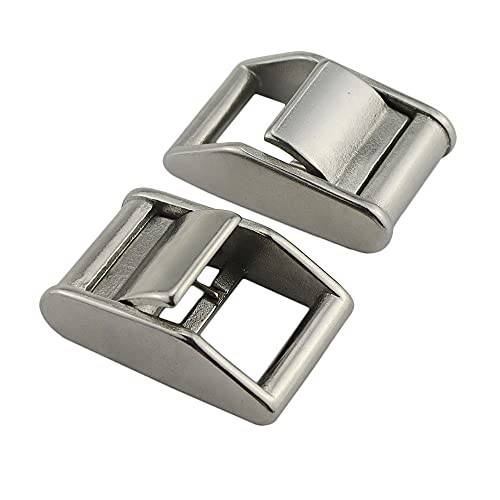
NRC&XRC 2 Pack Stainless Steel Black Lock Slider Buckles,Heavy Strap Release Buckle Adjustable Metal Buckle Fasteners (1inch SR)
Made of high-quality 316 stainless steel, precision casting, orrosion-resistant, rust-proof, durable.
As an affiliate, we earn on qualifying purchases.
As an affiliate, we earn on qualifying purchases.
Common Signs of Poor Hardware and How to Avoid Them
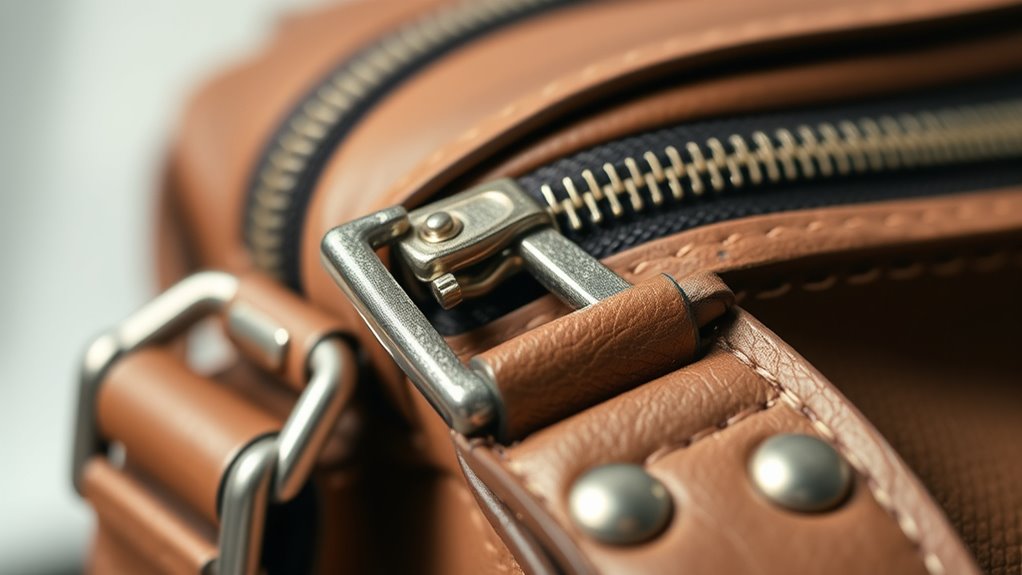
Poor hardware often shows its flaws quickly, undermining the durability and functionality of your item. Watch for hardware corrosion, which appears as rust or discoloration, indicating exposure to moisture and a lack of protective coating. Corrosion weakens the hardware and can lead to failure. Additionally, look for signs of hardware replacement, such as loose or wobbly snaps, broken buckles, or sticking zippers. These issues suggest the hardware has worn out or was poorly manufactured. To avoid these problems, choose hardware made from corrosion-resistant materials like brass or stainless steel, and inspect hardware regularly for early signs of damage. Proper care and quality choices can considerably extend the lifespan of your items and prevent sudden hardware failures. Emerging trends in material science, such as nanotechnology, are paving the way for more durable and corrosion-resistant hardware in the future. Being aware of credit card security measures can also help protect your payment information when purchasing items with hardware components. Additionally, selecting hardware compatible with paint sprayer zone standards can ensure better longevity and performance in specialized applications. Regular maintenance and understanding tent camping environments can also help prevent hardware deterioration in outdoor settings.
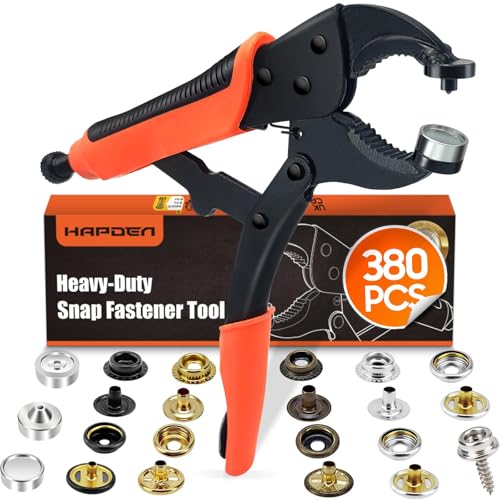
Heavy Duty Snap Fastener Tool, Snap Setter Tool with 100 Sets 4 Color Boat Cover Snaps, Snap Repair Kit, Repairing Boat Covers, Canvas, Fabric, Tarps
U.S. Patented Products, Copyrighted Design Products
As an affiliate, we earn on qualifying purchases.
As an affiliate, we earn on qualifying purchases.
Tips for Maintaining and Extending the Life of Your Hardware

Regular maintenance is key to extending the life of your hardware. Proper hardware cleaning prevents dirt buildup that can cause rust or sticking. To keep zippers, snaps, and buckles in top shape, regularly inspect and gently clean them with a soft brush or damp cloth. When issues arise, try DIY repair before replacing entire pieces—tighten loose snaps or lubricate sticky zippers with a small amount of graphite or silicone spray. Additionally, understanding Free Floating concepts can help you better manage hardware that relies on natural movement and balance. Keep hardware dry and store items in a cool, dry place. Lubricate moving parts periodically for smooth operation. Repair minor damage promptly to prevent further wear. Following these tips helps you avoid costly replacements and ensures your hardware stays functional longer. Regular care makes all the difference.
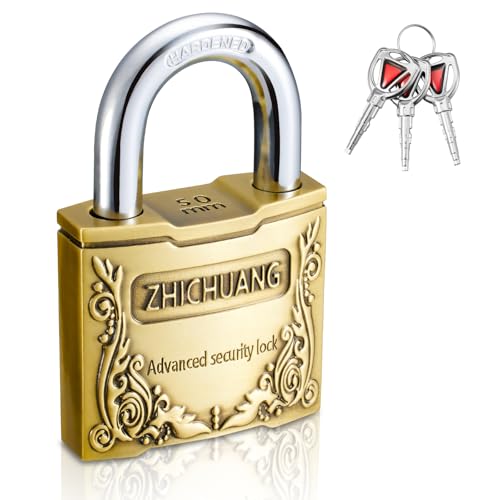
Antique-Style Copper Padlock with 3 Keys – 50mm Heavy Duty Security Lock, Vintage Design, Durable & Corrosion-Resistant for Home, Luggage, Storage
Premium Copper Material: Crafted from solid copper with corrosion-resistant properties, this padlock ensures long-lasting durability while maintaining a…
As an affiliate, we earn on qualifying purchases.
As an affiliate, we earn on qualifying purchases.
Frequently Asked Questions
How Do Different Materials Affect Hardware Durability?
Different materials substantially impact hardware durability by influencing material strength and corrosion resistance. For example, stainless steel offers high strength and excellent corrosion resistance, making it ideal for rugged use. On the other hand, aluminum is lightweight but less durable against impacts. Choosing the right material based on your needs ensures your zippers, snaps, and buckles withstand daily wear and resist rust, prolonging their lifespan and maintaining quality.
Are There Eco-Friendly Options for High-Quality Hardware?
Yes, you can choose eco-friendly options for high-quality hardware. Look for biodegradable hardware that breaks down naturally, reducing environmental impact. Recycled metal options are also great, as they reuse existing materials, lowering resource consumption. These choices guarantee durability while supporting sustainability. By selecting biodegradable hardware or recycled metals, you contribute to eco-conscious manufacturing and get reliable, high-quality components for your products.
Can Hardware Be Repaired or Refurbished After Damage?
Think of hardware like a trusty tool—sometimes it just needs a little fixing. Yes, hardware can be repaired or refurbished after damage. You can seek professional hardware repair or refurbishment services, which can extend the life of zippers, snaps, and buckles. This approach not only saves you money but also helps the environment by reducing waste, making your accessories both durable and eco-friendly.
What Safety Features Should I Look for in Hardware?
You should look for safety features like sturdy zippers with lockable sliders versus snaps that won’t pop open easily, and secure buckle types such as quick-release or double-prong buckles for added safety. Opt for hardware made from corrosion-resistant materials, ensuring durability. Avoid flimsy or poorly finished pieces, and check that all fasteners function smoothly without snagging or sticking, giving you confidence that your gear stays secure in any situation.
How Does Hardware Impact the Overall Garment Lifespan?
Think of hardware as the backbone of your garment—strong, steady, and crucial. When hardware undergoes rigorous testing and meets manufacturing standards, it keeps your piece standing tall, resisting wear and tear. Poorly made hardware can become a weak link, causing the garment to fall apart faster. So, by choosing quality hardware, you’re fundamentally giving your clothing a longer life, ensuring it stays secure and stylish through countless wears.
Conclusion
Just like a well-crafted story relies on strong chapters, your gear depends on quality hardware. Paying attention to zippers, snaps, and buckles guarantees your adventures stay smooth and trouble-free. Avoiding common pitfalls is like steering clear of the siren’s call—maintaining your gear reliable and lasting longer. Remember, investing in good hardware is a small step that preserves the integrity of your gear, much like a foundation that supports the entire structure. Keep your gear strong, and it’ll serve you well through every chapter.