When judging silk quality, start by checking the momme weight, which indicates its thickness and durability. Higher momme (above 19) typically means a stronger, more luxurious fabric suitable for bedding and upholstery, while lighter silks (12-16 momme) are better for garments. Feel the fabric—good silk should be soft, smooth, and lustrous. Look for vibrant, consistent dyeing and tight weaving. Understanding these factors helps you select silk that combines strength, beauty, and longevity. If you continue, you’ll discover more ways to identify high-quality silk.
Key Takeaways
- Check the momme weight; higher values (above 19) indicate thicker, more durable, and luxurious silk.
- Assess the fabric’s feel and appearance; genuine silk should be smooth, lustrous, and cool to touch.
- Examine the weaving density; tightly woven silk ensures better strength, durability, and color retention.
- Observe color consistency and vibrancy; high-quality silk maintains rich hues without fading easily.
- Consider the craftsmanship and price; authentic, well-made silk with appropriate momme offers better value and longevity.
![Threadinbox Premium 25 Momme Mulberry Silk Sheet Set, 4-Piece, Seam Center Pattern, Deep Pocket 16–18", Breathable, Smooth & Durable – [Queen], [Off White]](https://m.media-amazon.com/images/I/41YkFLU1JlL._SL500_.jpg)
Threadinbox Premium 25 Momme Mulberry Silk Sheet Set, 4-Piece, Seam Center Pattern, Deep Pocket 16–18", Breathable, Smooth & Durable – [Queen], [Off White]
Premium 25 Momme Pure Mulberry Silk Crafted from 100% Grade 6A mulberry silk with a luxurious 25 momme…
As an affiliate, we earn on qualifying purchases.
As an affiliate, we earn on qualifying purchases.
What Is Momme and Why Does It Matter?
Momme is a unit that measures the weight of silk fabric, and it directly affects the quality and durability of the material. When you look at silk, understanding momme helps you gauge its strength and texture. Higher momme values mean thicker, more durable fabrics, ideal for luxurious bedding or heavy garments. Silk weaving techniques play a role in how weight is distributed, influencing the fabric’s feel. Additionally, dyeing techniques impact the final appearance; thicker silk with higher momme holds dyes better, resulting in richer colors. Knowing the momme weight helps you choose silk that matches your needs, whether for everyday wear or special items. Basically, momme ties together the fabric’s weight, weaving, and dyeing to determine overall quality.
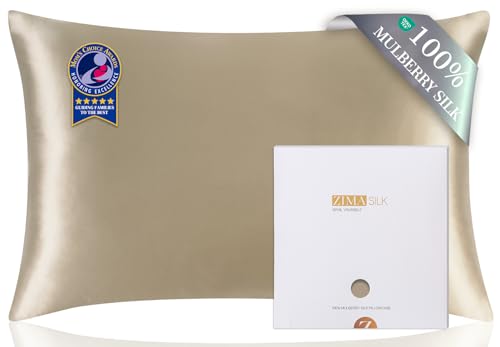
ZIMASILK 100% Pure Mulberry Silk Pillow Cases for Hair and Skin, Soft, Hypoallergenic & Smooth, Both Sides Grade 6A Silk, with Hidden Zipper, Gift for Women Men, 1pc (Queen 20''x30'', Taupe)
✅100% 19 Momme Mulberry Silk Pillowcase – Crafted with premium 6A-grade mulberry silk, ZIMASILK's pillowcase offers ideal thickness,…
As an affiliate, we earn on qualifying purchases.
As an affiliate, we earn on qualifying purchases.
Understanding the Range of Momme Values in Silk

Understanding the range of momme values in silk helps you determine its suitability for different uses. Higher momme weights, typically above 19, are associated with luxury branding because they produce durable, opulent fabrics. Historically, silk with lower momme values, around 12 to 16, was used for lighter garments and decorative items. As momme increases, the silk becomes thicker and more substantial, ideal for upholstery, evening wear, or bedding. Recognizing this range helps you select the right silk for your purpose, whether prioritizing softness, durability, or a luxurious feel. While high momme silk signifies quality, it’s essential to balance weight with your specific needs, especially if you’re aiming for authentic historical uses or premium branding. Understanding fabric weights can also help you compare silk to other textiles used in home furnishings. Additionally, being aware of fabric weight variations allows consumers to make more informed choices based on the silk’s intended function and longevity. Knowing how sound therapy techniques can aid in sensory processing can also influence your selection of textiles for sensitive environments. Moreover, considering the fiber density in silk can further enhance your understanding of its durability and feel.

Wesiti Cushion Wrap Silk Film Upholstery Cushion Wrap 79 Inch x 22 Yards Easily Install Foam into Cushion Cover for Cling Moving Packaging Indoor Furniture Home Office
Package Contents: you will receive 1 roll of packing wrap, the folding size is about 10.04 x 1.97…
As an affiliate, we earn on qualifying purchases.
As an affiliate, we earn on qualifying purchases.
How to Identify High-Quality Silk by Momme Weight
To spot high-quality silk, start by checking its momme weight, which follows certain standards for durability and feel. You can also look for visual and tactile cues like a smooth surface and a substantial, yet soft, weight in your hand. These clues help guarantee you’re choosing silk that’s both beautiful and long-lasting. Additionally, understanding color accuracy ensures the silk’s hue remains vibrant and true over time. Recognizing fiber density can further aid in distinguishing premium silk from lower-quality options, as it influences both texture and longevity. Paying attention to momme weight can also indicate the overall quality and weight of the fabric, helping you select a durable and luxurious product. Moreover, considering fabric construction can reveal how well the silk is woven, impacting its durability and appearance. Furthermore, inspecting the fiber quality can provide insights into the silk’s softness and strength, ensuring you invest in a truly high-grade material.
Momme Weight Standards
When evaluating silk quality, paying attention to momme weight is essential, as it directly influences the fabric’s durability and feel. Higher momme weights, typically between 16 and 22, ensure the silk withstands silk dyeing and intricate silk embroidery without tearing or pilling. Light silk, under 12 momme, feels delicate but may lack longevity, especially for everyday use. To understand quality, consider these standards:
| Momme Weight | Durability | Ideal Use |
|---|---|---|
| 8-12 | Light, fragile | Decorative or occasional use |
| 13-16 | Moderate | Bedding, scarves |
| 17-22 | Heavy, robust | High-end apparel, bedding |
| 23+ | Very heavy | Heavy drapes, upholstery |
Choosing the right momme weight guarantees your silk retains its luster through silk dyeing and silk embroidery, elevating your experience.
Visual & Tactile Cues
High-quality silk reveals itself through subtle visual and tactile cues that can help you distinguish it from lower-quality fabrics. Examine the fiber texture; premium silk feels smooth, soft, and lustrous without any roughness or unevenness. High-momme silk tends to have a denser, more substantial feel, indicating durability. Look closely at the color consistency—luxury silk maintains a uniform, vibrant hue throughout, with no dull patches or uneven shading. When you run your fingers over the fabric, it should glide smoothly and feel cool to the touch, reflecting its fine fiber quality. Avoid silk that feels coarse, rough, or flimsy, as these signs often point to lower-grade material. Paying attention to fiber texture and color consistency helps guarantee you’re selecting the best silk based on visual and tactile cues.

SHIROUYU 100% Mulberry Silk Scarf 35'' Large Square, Lightweight Women’s Silk Shawl, Multipurpose Head Scarf Neck Scarf – Gift Packed
35" x 35" / 88cm x 88cm.Made of high quality 100% 14-momme pure mulberry silk, soft, smooth and…
As an affiliate, we earn on qualifying purchases.
As an affiliate, we earn on qualifying purchases.
The Relationship Between Momme and Durability
You’ll notice that higher momme fabrics are stronger and more durable because they have a denser weave. As the weight increases, the silk becomes more resistant to wear and tear, promising longer-lasting quality. So, choosing a higher momme silk can considerably boost its longevity. Additionally, understanding fabric density techniques can help you select the best silk for lasting beauty. Recognizing weaving methods can further inform your choice by highlighting how different techniques impact silk strength and appearance. Being familiar with fiber quality assessments can also guide you in selecting silk that maintains its integrity over time, especially when considering factors like weave style that influence overall durability.
Higher Momme, Stronger Fabric
A higher momme count indicates a denser, more durable fabric that can withstand daily wear and tear. When silk is woven with tighter techniques, it naturally becomes stronger, and a higher momme enhances this quality further. Silk dyeing processes also benefit from increased momme, as thicker fabrics hold dye better and resist fading. The combination of advanced silk weaving techniques and a higher momme results in a fabric that’s not only more resilient but also maintains its integrity over time. This means your silk garment will stand up to regular use, resisting rips and holes more effectively. Ultimately, choosing silk with a higher momme ensures you get a product that’s both beautiful and long-lasting, making it a smart investment in quality.
Durability With Denser Weave
Because a denser weave means more tightly packed fibers, increasing the momme count directly boosts silk’s durability. When silk has a higher momme, it features thicker threads that create a more robust fabric capable of withstanding wear and tear. This denser weave also influences woven patterns, making them more compact and resistant to fraying. Additionally, a tighter weave improves dye absorption, leading to richer, more vibrant colors that won’t fade easily over time. The increased fiber density means the fabric is less prone to tearing or thinning, extending its lifespan. As a result, silk with a higher momme and denser weave offers better longevity, making it a smart choice for items that require durability without sacrificing softness or appearance.
Weight Indicates Longevity
Momme, the unit measuring silk’s weight per yard, directly reflects its durability and lifespan. Heavier silk generally means a stronger fabric weave, which resists tearing and stretching over time. It also indicates that the fabric can withstand regular use without thinning. The weight influences dye penetration, so thicker silk tends to hold color better, maintaining vibrancy longer.
Imagine:
- A dense fabric weave that feels substantial in your hands
- Rich, even dye penetration that resists fading
- A resilient fabric that retains its smoothness through repeated washes
Higher momme silk feels more luxurious and durable, making it ideal for longevity. Remember, weight isn’t the only factor, but it’s a key indicator of how well your silk will stand the test of time.
Choosing the Right Momme for Different Uses

Choosing the right momme weight depends on how you plan to use the silk. For luxury branding and silk fashion, selecting the appropriate weight ensures durability and elegance. Lighter silk (around 12-16 momme) is ideal for scarves or blouses, offering softness without heaviness. Heavier silk (18-22 momme) suits bedding or drapes, providing durability and a luxurious feel. Use the table below as a quick guide:
| Use | Recommended Momme | Why |
|---|---|---|
| Scarves & Fashion Items | 12-16 | Soft, lightweight, comfortable |
| Bedding & Home Decor | 18-22 | Durable, luxurious, maintains shape |
| Evening Wear | 16-20 | Balance of softness and strength |
Additionally, understanding momme weight helps you select the best silk for your specific needs. When selecting silk for various applications, consider how silk weight can influence the overall appearance and longevity of your product. Recognizing the fabric density of silk can also aid in choosing the right material for your project. Being aware of weave patterns further enhances your ability to pick the ideal silk type for your purpose, especially since different silk weaves can significantly affect texture and durability.
Signs of Authentic Silk Beyond Momme Measurement

While momme weight provides a helpful starting point for evaluating silk quality, it doesn’t tell the whole story. Authentic silk reveals itself through subtle signs rooted in its origins and processing. Look for evidence of silk farming practices, like the softness and natural sheen that come from careful silkworm rearing. Examine dyeing techniques: high-quality silk often features vibrant, even colors achieved through natural or expert dyeing methods, without uneven patches or fading. You might notice:
- A smooth, lustrous surface that feels cool to the touch
- Slight irregularities or variations in the weave, indicating handmade craftsmanship
- Rich, true colors that deepen with wear, not fade or wash out easily
These signs reflect genuine silk’s quality, craftsmanship, and careful processing beyond just its weight. Paying attention to natural silk characteristics can help you distinguish authentic, high-quality silk from imitations, especially when considering the weaving and finishing techniques involved. Additionally, understanding the origins of silk can further assure you of its authenticity and craftsmanship.
Comparing Silk Fabrics: What to Look For
When comparing different silk fabrics, it’s essential to pay attention to their texture, appearance, and construction, as these qualities reveal their true nature. Look closely at how the silk has been dyed; high-quality silk often features even, vibrant colors resulting from expert silk dyeing techniques. Notice the silk weaving pattern—smooth, tight weaves indicate durability and fine craftsmanship, while loose weaves may suggest lower quality. Feel the fabric’s surface: genuine silk should feel soft and luxurious, not rough or stiff. Examine the sheen, which varies depending on the silk’s weaving style and dyeing process. A well-woven silk with careful dyeing will showcase consistent luster and color depth, signaling superior quality. These details help you distinguish between different silk fabrics and identify the best options.
Caring for Silk Based on Its Momme Weight
Understanding your silk’s momme weight is essential for proper care, as it directly affects how durable and delicate the fabric is. Higher momme silk feels more substantial and can withstand gentle silk dyeing or silk embroidery, while lighter weight silk needs extra care to prevent damage. For lightweight silk, avoid harsh washing or prolonged exposure to sunlight. Medium to heavy silk, with higher momme, can handle more vigorous cleaning but still requires gentle handling. Visualize the fabric as a sturdy canvas for silk dyeing or intricate embroidery, or as a fragile piece that needs delicate touch.
- Imagine a thick, luxurious fabric suitable for elaborate silk embroidery
- Picture a lightweight, airy material perfect for gentle silk dyeing
- Envision a resilient cloth that withstands frequent washing without losing luster
Tips for Purchasing Silk That Offers the Best Value

Finding the best value in silk requires paying attention to both quality and price. Start by examining how the silk is woven; higher-quality silk typically features tight, even silk weaving that feels smooth and lustrous. When it comes to dyeing techniques, opt for silk that’s been dyed using natural or high-quality dyes, which ensure vibrant colors that won’t fade quickly. Be cautious of overly inexpensive silk, as poor dyeing techniques can lead to color bleeding or uneven shades. Additionally, inquire about the transparency and weight of the fabric; genuine silk should feel substantial yet soft. Comparing prices across vendors can help you identify good deals, but never compromise on craftsmanship and dyeing quality. This way, you’ll secure silk that offers lasting beauty and value.
Frequently Asked Questions
Can Two Silks With the Same Momme Feel Different in Texture?
Yes, two silks with the same momme can feel different in texture. Fiber density varies due to the thread’s construction, affecting softness and weight. Additionally, dye absorption impacts the silk’s surface feel; a silk that absorbs dye evenly tends to feel smoother and richer. So, even with identical momme, differences in fiber density and dye absorption can make silks feel distinctly different to the touch.
Does a Higher Momme Always Mean Better Silk Quality?
A higher momme doesn’t always mean better silk quality. While it often indicates increased silk durability and better color retention, other factors matter too. Thicker silk resists wear longer and keeps its vibrant color, but texture and weave quality can vary. So, focus on the silk’s overall feel, weave, and treatment alongside momme to judge its true quality rather than relying solely on weight.
How Does Momme Affect Silk’s Breathability and Comfort?
Higher momme silk tends to be less breathable and less comfortable because its increased weight can restrict airflow. With thicker silk, dye absorption might be more uniform, but the heavier fabric often feels stiffer against your skin. You’ll notice a difference in silk weight distribution, making lighter momme silk more breathable and softer, ideal for comfort. So, consider both momme and how the silk’s weight is distributed for ideal breathability and comfort.
Is There a Standard Momme Range for Luxury Silk Products?
Yes, there is a standard momme range for luxury silk products, typically between 12 and 22 momme. Higher momme indicates a denser, more durable silk with a richer feel. When choosing luxury silk, check the silk weave; a tight weave enhances dye fastness, ensuring colors stay vibrant over time. A weight within this range balances durability, softness, and elegance, making it ideal for high-end silk items.
Can Momme Weight Determine the Silk’s Suitability for Bedding or Clothing?
Did you know that silk with a momme weight between 12 and 22 is ideal for bedding and clothing? This range balances silk durability and silk dye retention, ensuring your items last longer and stay vibrant. Higher momme silk offers more strength, making it perfect for bedding, while slightly lower weights are suitable for clothing where softness matters. So, choosing the right momme helps you get the best quality for your needs.
Conclusion
Understanding momme helps you navigate silk’s secret language, turning a tangled thread into a clear choice. Think of momme as the heartbeat of quality—higher often means stronger and more luxurious. By paying attention to momme and other signs of authenticity, you’ll find silk that feels like a whisper of elegance and lasts like a treasured heirloom. With these tips, you’ll confidently pick silk that’s worth every soft, shimmering thread.