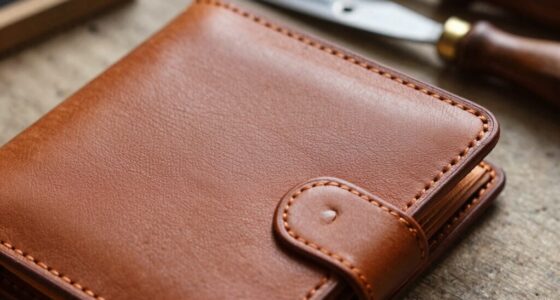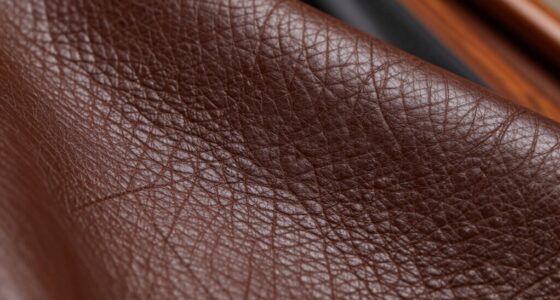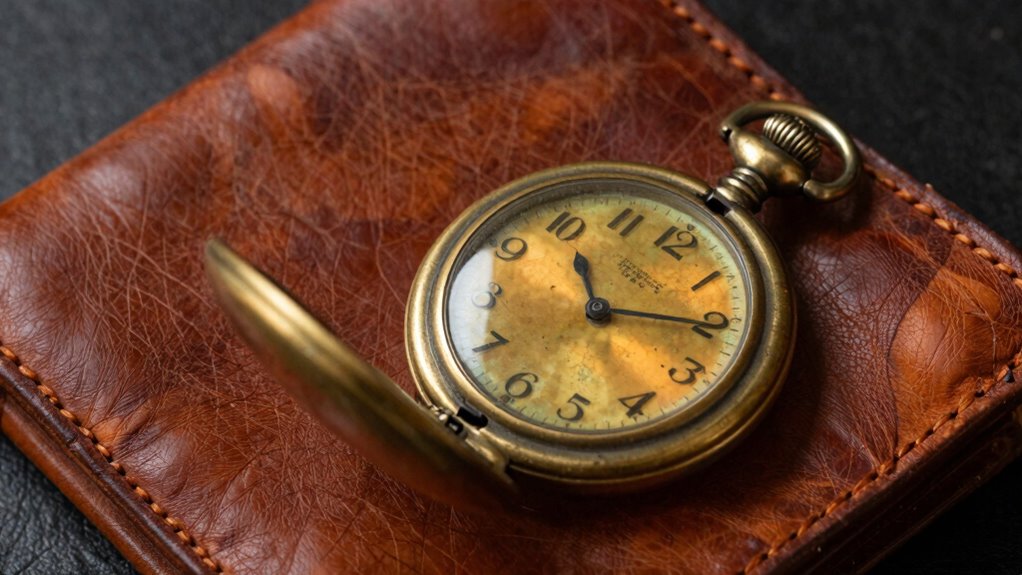

You love patina in leather and metal because it gives your items unique character and authenticity, showing their natural evolution over time. It signifies durability and quality, reflecting the craftsmanship behind each piece. Patina also tells a story—your story—adding charm and personality. Plus, it develops organically with minimal maintenance, celebrating natural beauty and resilience. Want to discover how this transformation adds lasting value and artistry? Keep exploring to learn more about this timeless process.

Get your wardrobe favorites delivered free — and shop member deals
- Fast, free delivery on millions of items
- Access to Prime Big Deal Days deals on October 6–7
- Prime Video, Amazon Music and more included
Key Takeaways
- Patina adds unique character and visual depth, making each item one-of-a-kind.
- It signifies durability, showcasing the craftsmanship and resilience of the material over time.
- Patina tells a story, reflecting the item’s history and authentic use.
- It develops naturally with minimal maintenance, enhancing organic beauty.
- Appreciating patina celebrates the natural aging process and artisanal craftsmanship.
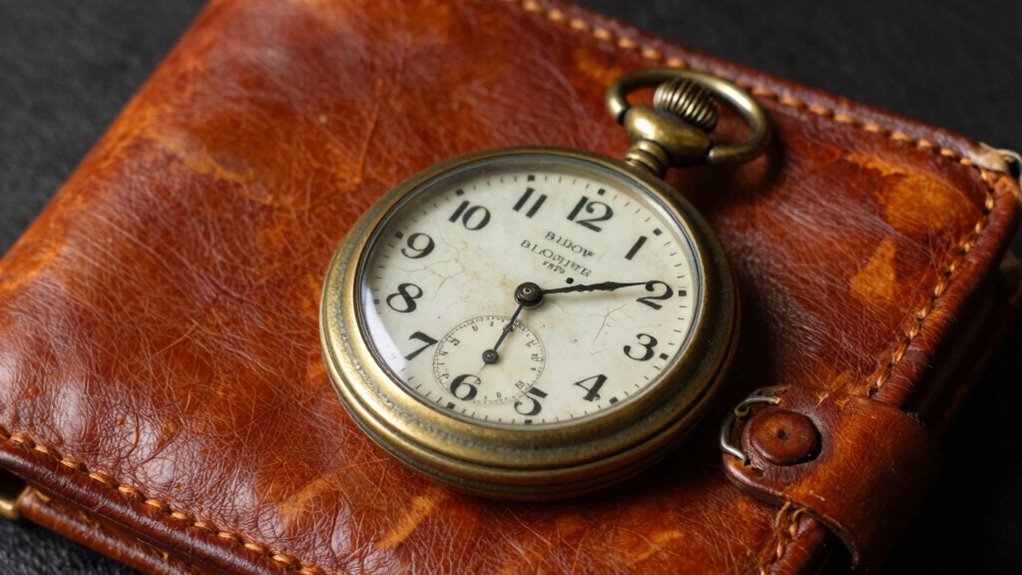
Patina adds character and depth to leather and metal goods, transforming their appearance over time through natural aging and use. It’s not just about aesthetics; it’s a mark of history and authenticity. When you see a piece with a rich, uneven surface, you’re observing a history that’s been built through daily wear and care. The aging process creates unique variations, making each item one of a kind. This natural evolution often enhances the material’s value, turning what might seem like imperfections into signs of experience and resilience. As you handle your leather or metal item, you’re participating in this ongoing transformation, which many find deeply satisfying.
One reason patina is so loved is because it signals material durability. A well-developed patina indicates that the piece has withstood time and use, proving its quality and longevity. Leather, when worked on over years, develops a soft sheen and a rich coloration that can’t be replicated with artificial finishes. It reflects the strength of the material and the craftsmanship behind it. Metal, especially copper or bronze, gains a distinct hue and texture, becoming more visually interesting as it ages. This durability isn’t just about resisting damage; it’s about the material’s capacity to grow more beautiful with effort and time. When you see a leather wallet or a vintage metal sculpture with a deep patina, you recognize that these items are built to last, and their appearance is a proof of their resilience. Recognizing the natural aging process can help in understanding the full story behind each piece.
People love patina because it tells a story. It’s a visual record of use, environment, and care, giving each piece personality and charm. Instead of a pristine, uniform surface, you get a layered, complex look that hints at a life lived. This makes aging not a flaw but an attribute, emphasizing the authenticity of the item. Plus, the natural aging process often requires minimal maintenance, allowing the material’s beauty to develop organically. The material’s durability ensures that even as it ages, it remains functional and strong, maintaining its integrity while acquiring character. Proper calibration and maintenance can further enhance the visual appeal and longevity of the patina, ensuring each piece ages gracefully over time. Recognizing the chemical reactions involved in aging can help in preserving and even accelerating this natural process when desired. Understanding these material properties deepens appreciation for the craftsmanship and history embedded in each item. Ultimately, patina connects you to the history of an object, making it more meaningful and treasured. It’s a beautiful blend of time, craftsmanship, and natural evolution that’s deeply appreciated by collectors and everyday users alike.
As an affiliate, we earn on qualifying purchases.
Frequently Asked Questions
How Long Does It Take for Patina to Develop Naturally?
It typically takes several months to a few years for patina to develop naturally, depending on your usage and environment. As you handle leather or metal, oils and exposure enhance its aesthetic appeal, giving it a unique, aged look. This process also carries cultural significance, symbolizing experience and authenticity. You’ll notice subtle changes over time, making your item truly one-of-a-kind, reflecting your personal journey and the passage of time.
Can Patina Be Removed or Reversed Intentionally?
Sure, you can reverse patina—if you’re willing to wield the power of chemical treatments and protective coatings like a mad scientist. Scrubbing or applying specific solutions can strip away that charming tarnish, but beware: it might also erase your piece’s character. Protective coatings can prevent further aging, effectively halting patina’s natural beauty in its tracks. So, if you crave a pristine look, go ahead, but don’t say we didn’t warn you!
Does Patina Affect the Durability of Leather or Metal?
Patina doesn’t negatively affect the durability of leather or metal; instead, it results from the oxidation process, which can actually enhance the item’s aesthetic appeal. For metal, patina forms a protective layer that prevents further corrosion. In leather, it deepens character and adds uniqueness. So, while patina may change appearance over time, it usually signifies added character rather than compromised durability.
Are Certain Climates Better for Developing Patina?
Certain climates are better for developing patina because climate effects and environmental factors influence the process. Warm, humid environments accelerate natural aging, creating richer, more vibrant patinas on leather and metal. Conversely, dry climates slow the process, resulting in subtler changes. You’ll notice that exposure to elements like rain, sun, and air quality also impacts patina development, making climate a key factor in achieving unique, desirable finishes.
How Do Different Finishes Influence Patina Formation?
Imagine a raw, unprotected surface, where oxidation begins to dance across the metal or leather, creating a rich, layered patina. Different finishes influence this process by either shielding or exposing the surface. Protective coatings can slow oxidation, preserving a cleaner look, while bare finishes invite surface oxidation, fostering unique, organic patina development. Your choice of finish shapes how beautifully and quickly this aging process unfolds.
As an affiliate, we earn on qualifying purchases.
Conclusion
Patina brings character and history to your leather and metal goods, much like a well-loved book tells its story through worn pages. It’s a sign of life, patience, and care, transforming everyday items into treasured keepsakes. When you see that gentle, natural change, you’re witnessing a piece of history unfolding right before your eyes. Embrace the beauty of patina—it’s the soul of your belongings, aging gracefully like a fine wine.
leather care kit for aging patina
As an affiliate, we earn on qualifying purchases.
As an affiliate, we earn on qualifying purchases.
As an affiliate, we earn on qualifying purchases.
Fall Picks
fall essentials
As an affiliate, we earn on qualifying purchases.