
If you’re choosing between Goodyear welt and Blake stitch for shoe construction, consider durability, repairability, and style. Goodyear welted shoes have a visible stitch line, are more durable, and easier to resole, often costing more. Blake stitch shoes have a sleek look and are lighter but may wear faster and be harder to repair. Understanding these differences helps you pick the right shoe for your needs—learn more below.
Key Takeaways
- Goodyear welt shoes are more durable, easier to resole, and suitable for long-term use compared to Blake stitch shoes.
- Blake stitch construction results in a sleeker, more modern look with a lightweight and close-fitting feel.
- Goodyear welt offers superior resistance to wear and is typically associated with higher craftsmanship and price.
- Blake stitch shoes are generally less expensive, quicker to produce, and easier to customize with various styles.
- Choose based on your needs: durability and reparability favor Goodyear welt, while style and affordability lean toward Blake stitch.
What Is a Goodyear Welt and How Is It Made?

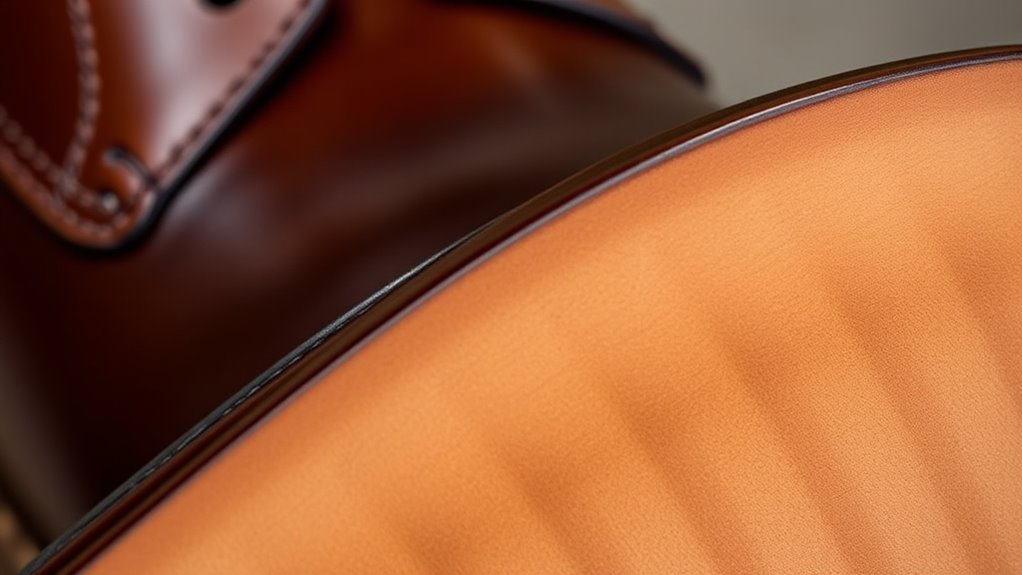
A Goodyear welt is a durable method of shoe construction that involves stitching a strip of leather, called a welt, to both the upper and the sole of the shoe. During shoe manufacturing, this process requires careful leather selection to guarantee quality and longevity. Leather quality is crucial, as it directly impacts the shoe’s durability and comfort. The welt acts as a sturdy bridge, securing the upper to the sole with a strong, visible stitch. Leather is chosen for its strength and flexibility, making it ideal for this technique. As you examine the shoe, you’ll notice the welt running around the perimeter, indicating a high level of craftsmanship. This construction method not only enhances durability but also allows for easy resoling, extending the life of your shoes. Proper leather selection is key to achieving a lasting, well-crafted Goodyear welt shoe. Additionally, the sustainable manufacturing practices in European shoe production emphasize high-quality materials and craftsmanship, ensuring environmentally responsible footwear. Understanding the construction process can help you appreciate the skill involved and the long-term value of well-made shoes. Recognizing the stitching pattern can reveal the craftsmanship behind each pair, and awareness of material selection can further inform your choice of footwear.
Understanding the Blake Stitch Technique

Ever wondered how the Blake stitch keeps shoes securely assembled? In shoe manufacturing, this technique involves stitching directly through the insole, upper, and sole in a single row. It creates a close, tight bond that offers flexibility and a sleek profile. During the process, the craftsman carefully sources high-quality leather, ensuring durability and comfort. The Blake stitch’s simplicity means fewer layers, making shoes easier to resole without dismantling the entire structure. This method is popular for dress shoes because it provides a clean, elegant look. The stitching is visible on the inside of the shoe, but the outside appears seamless. Additionally, construction techniques like the Blake stitch are crucial for achieving a balance between durability and aesthetic appeal in shoemaking. Proper leather sourcing directly impacts the final quality and longevity of the shoes. Employing proper stitching methods can significantly influence the shoe’s overall performance and repairability. Moreover, understanding manufacturing processes helps artisans refine their craft and innovate in footwear design. Overall, understanding this technique highlights its efficiency and the importance of precise leather sourcing for a well-crafted final product. Recognizing the manufacturing process helps appreciate the craftsmanship involved in producing high-quality footwear.
Key Differences Between Goodyear Welt and Blake Stitch

While the Blake stitch offers a sleek and flexible construction, the Goodyear welt presents a different approach that emphasizes durability and ease of resoling. With the Goodyear welt, your shoe interior feels sturdier, providing enhanced support over time. It creates a more structured look, which can influence overall comfort and longevity. In contrast, the Blake stitch tends to produce a more streamlined, flexible shoe interior, allowing for greater sole flexibility. This makes Blake-stitched shoes feel more adaptable to your foot’s movements.
Key differences include:
- Sole flexibility: Blake allows more movement, Goodyear offers more support
- Durability: Goodyear welt excels in longevity and resoling ease
- Shoe interior: Blake feels more supple, Goodyear feels firmer
- Resoling process: Easier with Goodyear welt
- Structural integrity: Stronger with Goodyear welt
Durability and Longevity of Each Method

When it comes to durability and longevity, the Goodyear welt construction generally outperforms the Blake stitch. This method creates a sturdy bond between the upper, insole, and outsole, which helps the shoe resist wear over time. The choice of high-quality shoe materials, like full-grain leather or rubber soles, also enhances durability. Although manufacturing costs for Goodyear welt shoes are higher, the extra investment pays off through their extended lifespan. The welt construction allows for easier resoling, maintaining the shoe’s integrity longer, especially if you choose durable materials. In contrast, Blake stitch shoes, while lighter and sometimes less expensive initially, may wear out faster due to less reinforcement and the nature of their stitching. Overall, your shoe’s longevity depends on construction and materials used. Additionally, craftsmanship quality plays a significant role in how long shoes last and how well they age over time. Proper shoe maintenance and regular care are essential to maximize the lifespan of either construction method. Moreover, understanding the different construction techniques can help you make more informed footwear choices that match your lifestyle and durability expectations. For example, material selection can significantly influence how well a shoe withstands daily wear and environmental conditions. Recognizing the importance of proper fit can also reduce unnecessary stress on shoe seams, extending their lifespan.
Repairability and Resole Options

The construction method directly impacts how easily a shoe can be repaired or resoled. Goodyear welt shoes typically allow for straightforward resoling, thanks to the sturdy welt that separates the upper from the sole. Blake stitch shoes, however, offer a more delicate construction, making resoling more challenging but still possible. Your ability to resole depends on factors like supply chain and material sourcing, which influence the availability of replacement parts. Choosing a construction method with good repairability extends your shoe’s lifespan and reduces waste. Additionally, understanding repairability and resole options can help you select footwear that aligns with sustainable and cost-effective practices, as well as improve your overall topical authority on shoe maintenance and construction. Being aware of shoe repair techniques can further empower you to maintain your footwear properly and extend its usability. Recognizing the construction quality of your shoes can also guide you in making informed purchasing decisions to ensure durability and reparability over time. Moreover, selecting shoes with high-quality construction can facilitate easier resoling procedures, ultimately saving you money and reducing environmental impact.
Aesthetic Appeal and Style Variations
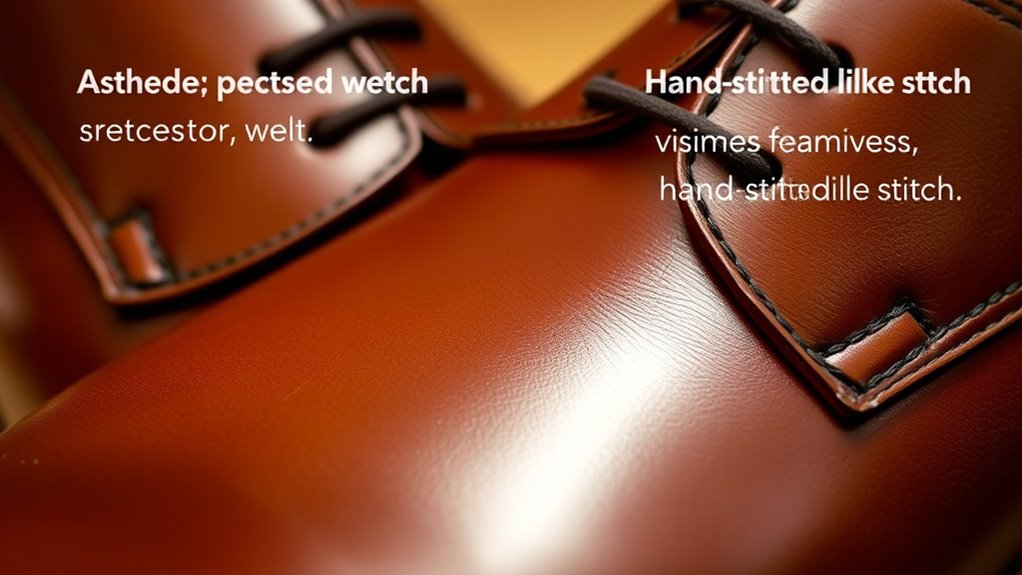
Ever wondered how different construction methods influence the style and appearance of your shoes? The choice between Goodyear welt and Blake stitch impacts more than durability—they also affect aesthetics. Goodyear-welted shoes often showcase a distinct, visible welt that adds a rugged, classic look, while Blake-stitched shoes tend to have a sleeker, more streamlined appearance. When it comes to lace patterns, both styles accommodate a variety of options, from traditional four-eyelet designs to more elaborate arrangements, allowing you to express your personality. Color options also vary, with some constructions lending themselves better to bold hues or polished finishes. Ultimately, your choice of construction influences not only how your shoes feel and last but also how they look, helping you craft a style that aligns with your preferences. Additionally, understanding shoe construction methods can help you select footwear that balances style with functionality. Recognizing the aesthetic differences between these methods can guide you in choosing shoes that complement your overall wardrobe.
Cost Factors and Price Differences

Cost differences between shoe construction methods mainly stem from the materials used and the labor involved. Goodyear welt shoes often require more time and skilled craftsmanship, leading to higher manufacturing costs. This is why luxury brands typically charge a premium. Blake stitch shoes, being quicker to produce, usually cost less but may lack the durability of welted shoes.
Consider what you’re paying for:
- Superior craftsmanship and attention to detail
- Longevity and repairability
- The prestige of luxury brands
- Quality of premium materials
- The intricate labor involved in welted construction
These factors evoke a sense of value and exclusivity, justifying the price differences. Your choice reflects not only style but also the investment in craftsmanship and lasting quality.
Comfort and Fit Considerations

Choosing the right shoe depends heavily on how well it fits and feels on your feet. Pay attention to arch support, which provides stability and relieves stress on your arches. Proper arch support can prevent discomfort and long-term issues like plantar fasciitis. Additionally, consider arch flexibility; shoes with flexible arches adapt more comfortably as you move, reducing strain. If your arches are high or flat, select shoes that cater to your specific needs to ensure proper alignment and comfort. A snug fit is essential but shouldn’t be constrictive, allowing your toes to move freely. Ultimately, comfort and fit come down to how well the shoe supports your unique foot shape and movement, making it crucial to try on different styles and pay attention to these key features.
Suitable Uses and Best Applications
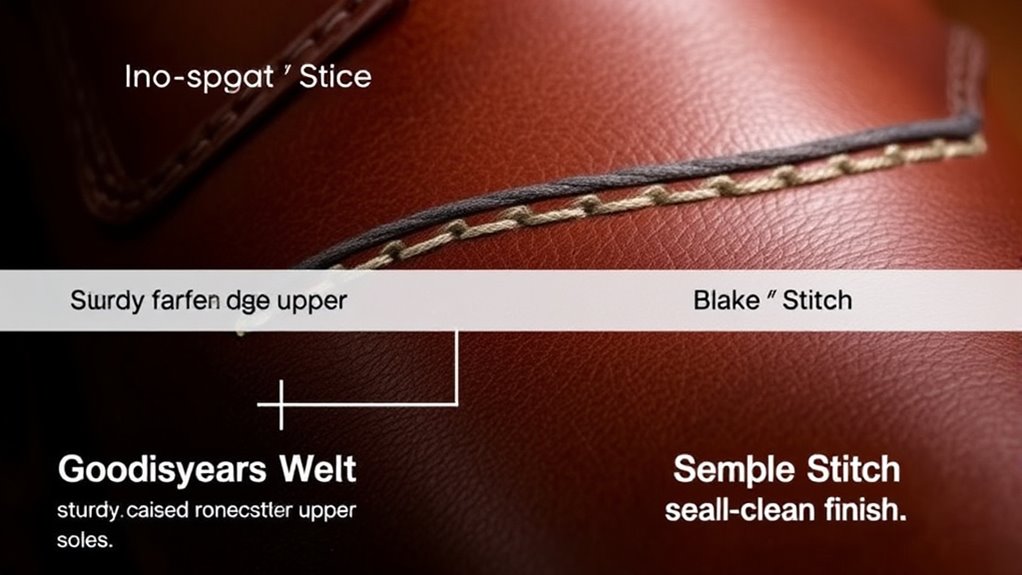
Understanding the suitable uses and best applications of shoes helps you choose the right pair for any occasion. Durability and longevity matter if you need footwear that lasts, while style considerations guide whether you pick formal or casual options. Additionally, knowing how easy shoes are to repair or resole can save you time and money in the long run.
Durability and Longevity
Durability and longevity are essential factors when selecting shoes for specific activities, as they determine how well the footwear withstands wear and tear over time. High-quality leather, paired with sturdy sole materials, markedly impacts a shoe’s lifespan. Well-made shoes can handle daily use and challenging conditions, saving you money in the long run. Consider these aspects:
- Feel confident walking miles without worry
- Trust your shoes to hold up through rough terrains
- Enjoy comfort that lasts for years, not months
- Know you’re investing in craftsmanship that endures
- Experience the satisfaction of footwear that ages gracefully
Choosing shoes with excellent leather quality and durable sole materials ensures you get maximum longevity, making your footwear a reliable companion for your active lifestyle.
Formal vs. Casual Style
Deciding between formal and casual shoes depends largely on the occasion and your style preferences. Formal shoes, like oxfords or loafers, suit business meetings, weddings, or dressier events, often crafted from sustainable materials for eco-conscious choices. Casual styles, such as sneakers or moccasins, work well for everyday wear, outdoor activities, or relaxed gatherings. Today’s shoe designs incorporate innovative designs and sustainable materials, making versatile options that bridge both worlds. For formal settings, opt for sleek, refined construction with minimal embellishments. Casual shoes may feature more relaxed silhouettes and creative details. Understanding the purpose of your footwear helps you select the right style, ensuring comfort, appropriateness, and sustainability, no matter the occasion.
Repair and Resole Ease
When selecting shoes based on repair and resole ease, it’s important to contemplate how simple it will be to restore or replace the soles when they wear out. Shoes with a Goodyear welt or Blake stitch construction are generally easier to resole, thanks to their design. This is especially true if the shoe manufacturing process allows for straightforward separation of the sole from the upper. Proper leather treatment can prolong the life of your shoes, making resoling less urgent.
Consider these points:
- Restoring shoes keeps them looking new and maintains their value
- Easier resoling reduces long-term costs
- Preserves the craftsmanship and quality of your footwear
- Allows for customization through leather treatment
- Ensures your shoes stay comfortable and supportive longer
Making the Right Choice for Your Footwear Needs

Choosing the right footwear starts with understanding your specific needs and how you’ll use the shoes. Consider the environment and activity level—whether you need formal shoes, casual wear, or something durable for outdoor use. Shoe craftsmanship plays a key role in durability and comfort, so look at how the shoes are constructed. For example, Blake stitch shoes often have a sleeker profile, but may be less repairable, while Goodyear welt shoes offer easier resoling and longevity. Leather sourcing also impacts quality; high-quality leather sourced from reputable tanneries ensures better breathability and aging. By evaluating your daily routines and preferences, you can select shoes that balance craftsmanship, materials, and construction method, ensuring they meet your needs and last longer.
Frequently Asked Questions
Which Shoe Construction Method Is Better for Rainy Weather?
For rainy weather, a Goodyear welt construction is better because it offers superior waterproofing and durability. Its design creates a tight seal that keeps water out, making your shoes more resistant to wet conditions. Additionally, the welt makes sole replacement easier, extending the life of your footwear. So, if you want reliable protection and longevity in the rain, opt for shoes with a Goodyear welt.
Can I Resole Shoes With a Blake Stitch More Easily Than a Goodyear Welt?
You can resole shoes with a Blake stitch more easily than a Goodyear welt, but it depends on the resoling process. Blake-stitched shoes allow for a simpler, more straightforward resoling, making repairs less difficult and quicker. In contrast, Goodyear welt shoes require more effort and specialized skills, often making repairs more complex. So, if you prefer easier resoling, Blake stitch shoes are the better choice for quick repairs.
How Do These Constructions Affect Overall Shoe Weight?
You’ll find that Blake stitch shoes are generally lighter because their construction density is lower, with the sole stitched directly to the insole. In contrast, Goodyear welt shoes tend to be heavier due to a thicker, more durable welt and layered construction. This difference in construction density impacts overall shoe weight, making Blake stitch shoes more comfortable for extended wear, while Goodyear welt shoes offer added robustness and support.
Are There Specific Brands Known for Each Shoe Construction Type?
Ever wonder which brands favor each shoe construction? For Goodyear Welt, you’ll find luxury brands like Allen Edmonds and Crockett & Jones, known for durability and classic craftsmanship. If you’re on a budget, brands like Clark’s and Red Wing often use Blake Stitch, offering affordable options with decent quality. Do you prefer timeless elegance or budget-friendly comfort? Your choice depends on your style and needs, guiding you to the right brand.
Which Construction Method Is More Environmentally Friendly?
You’ll find that Goodyear welt construction is generally more environmentally friendly because it allows for easier repairs and longer wear, reducing waste. It often uses eco-friendly materials, and its durability means fewer replacements. Blake stitch shoes, while easier to resole, typically involve less robust construction, potentially leading to shorter lifespan. Overall, the sustainability differences favor Goodyear welt shoes, especially when eco-friendly materials are used in the process.
Conclusion
Choosing between a Goodyear welt and a Blake stitch is like selecting a sturdy tree or a delicate vine—each has its own strength and grace. Your decision shapes the journey of your shoes, guiding their resilience and character over time. Trust your instincts, and remember that your choice is a reflection of your own path—solid and enduring or sleek and refined. Whichever you choose, it becomes part of your story, rooted in craftsmanship and personal style.