
The hidden power of heel stacks and sole types lies in how they shape your comfort, style, and overall foot health. The height and design of heels influence stability, leg length, and weight distribution, while sole flexibility affects shock absorption and natural movement. Choosing the right combination can prevent fatigue, enhance support, and elevate your look. Keep exploring to discover how selecting the perfect heel and sole can transform your footwear experience.
Key Takeaways
- Heel stacks influence both style and comfort by altering weight distribution and overall foot mechanics.
- The combination of heel height and sole flexibility impacts stability, support, and long-term foot health.
- Properly designed heel stacks can enhance appearance while reducing strain and discomfort during prolonged wear.
- Flexible soles improve natural movement, shock absorption, and reduce injury risk across various heel heights.
- Understanding these elements helps select footwear that balances aesthetics, practicality, and ergonomic support.
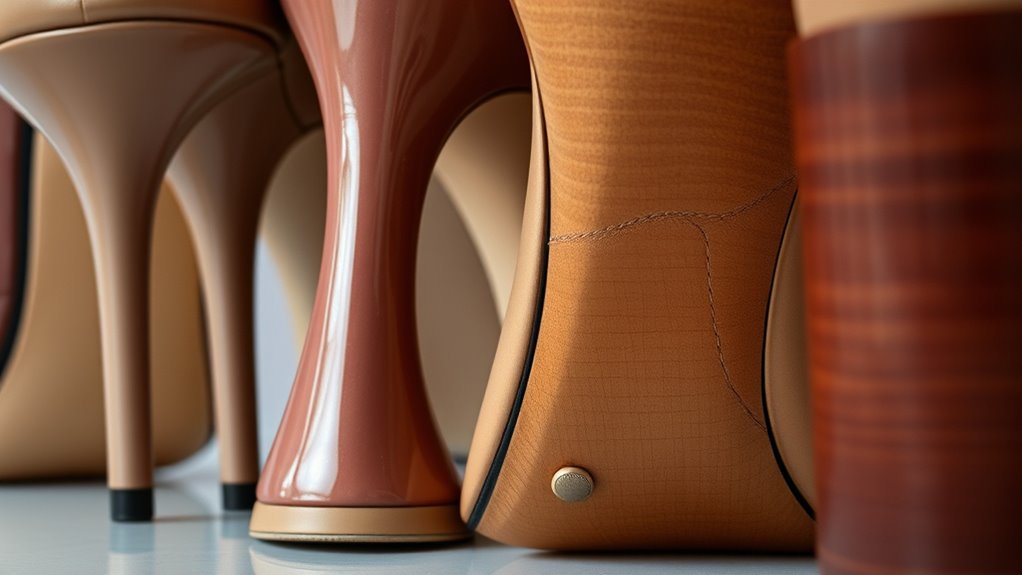
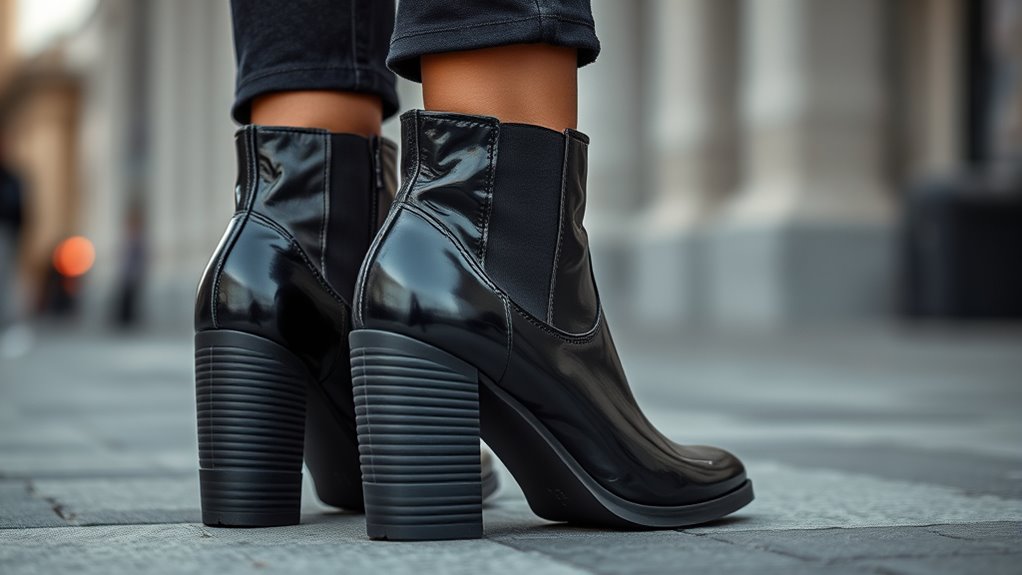
When choosing footwear, understanding heel stacks and sole types can considerably impact your comfort and style. The heel height is a critical factor, directly influencing how you feel when you walk or stand for extended periods. A higher heel stack adds elevation and can elongate your legs, but it also shifts your weight forward, which may cause discomfort if not balanced properly. Conversely, lower heels or flat stacks offer more stability and reduce strain on your feet, making them ideal for everyday wear. The key is finding a heel height that complements your activity and body mechanics, ensuring you’re comfortable without sacrificing style.
Sole flexibility is another essential aspect that often goes unnoticed but dramatically affects your footwear experience. A flexible sole allows your foot to move naturally, providing better shock absorption and minimizing fatigue. When the sole is stiff, every step feels more rigid, which can lead to soreness or even injury over time. Flexible soles are especially beneficial if you prefer walking or standing for long hours, as they adapt to your movement rather than resist it. This flexibility also enhances your balance and agility, giving you a more natural gait. If you’re shopping for shoes, check how easily the sole bends; a good indicator of flexibility.
The combination of heel height and sole flexibility determines not just comfort but also the style statement your shoes make. For example, a sleek, high-heeled pump with a stiff sole might look elegant but can be uncomfortable during prolonged wear. On the other hand, a chunky heel with a flexible sole offers better support and stability, making it suitable for casual outings. When you understand how heel stacks and sole types interact, you can make smarter choices tailored to your needs. If you need shoes for work, opt for moderate heel height paired with a flexible sole to ensure all-day comfort. For sporty or casual shoes, look for designs with low heels and highly flexible soles, which promote natural movement.
Being aware of these elements also helps you invest in quality footwear that lasts longer and performs better. Shoes with well-designed heel stacks and flexible soles distribute pressure evenly across your foot, reducing the risk of pain and injury. This knowledge empowers you to pick styles that align with your lifestyle, whether you prioritize fashion, comfort, or functionality. Additionally, selecting shoes with appropriate sole types can contribute to better foot health, especially for those who spend a lot of time on their feet. Ultimately, understanding heel height and sole flexibility allows you to select shoes that not only look good but also support your well-being every step of the way.
Top picks for "hidden power heel"
Open Amazon search results for this keyword.
As an affiliate, we earn on qualifying purchases.
Frequently Asked Questions
How Do Heel Stacks Influence Overall Footwear Comfort?
Heel stacks considerably influence your footwear comfort by affecting heel height and arch support. A higher heel stack can lead to more pressure on your arch and heel, potentially causing discomfort over time. Properly designed heel stacks provide better arch support, distributing weight evenly and reducing strain. When choosing shoes, consider heel height and the quality of the heel stack to guarantee ideal comfort and support for your feet.
Can Sole Types Affect Shoe Durability Over Time?
Yes, sole types impact shoe durability over time. In shoe manufacturing, choosing the right sole material, like rubber or leather, determines how well your shoes withstand wear and tear. Sole customization allows you to select options that match your activity level and environment, boosting longevity. Properly designed soles resist cracking, peeling, and abrasion, ensuring your shoes last longer and perform better, saving you money and enhancing comfort with extended use.
Are Certain Heel Stacks Better for Specific Foot Conditions?
If you have flat feet, opt for a heel stack with ample arch support and moderate heel height, like a sturdy foundation supporting a building. This helps distribute weight evenly and reduce strain. Conversely, if you experience heel pain, a lower heel with cushioned support can absorb shock better. Choosing the right heel stack tailored to your foot condition guarantees comfort and prevents further issues.
How Do Different Sole Materials Impact Grip and Traction?
Different sole materials markedly impact your grip and traction performance. Rubber soles generally provide the best material grip, offering excellent traction on various surfaces. Leather or smooth synthetic soles tend to be less grippy, which can reduce traction. For enhanced grip, choose soles with textured patterns or specialized compounds designed for slip resistance. Your choice of material directly influences how well you stay stable and confident during movement.
Do Heel Stacks and Sole Types Affect Athletic Performance?
Yes, heel stacks and sole types can influence your athletic performance. A higher heel height might improve your ankle stability, while adequate arch support helps reduce fatigue and injury risk. Choosing the right sole type guarantees better grip and shock absorption, which enhances your agility and endurance. When you pick footwear with appropriate heel stacks and sole designs, you support your movements, boost confidence, and perform at your best.
Conclusion
Understanding heel stacks and sole types can truly transform your footwear choices, giving you both style and support. Did you know that shoes with higher heel stacks can improve posture and reduce back pain for some wearers? By paying attention to these details, you empower yourself to select shoes that enhance comfort and functionality. Next time you shop, remember that the right sole type isn’t just about looks—it’s about how you feel with every step you take.