When evaluating luxury brands’ carbon-neutral claims, it’s essential to look beyond the surface. Many brands rely heavily on offsets instead of real emissions reductions, and some may use vague language or greenwashing tactics to seem more sustainable. Authentic efforts involve transparent lifecycle assessments, credible third-party certifications, and clear impact data. If you want to differentiate genuine sustainability from marketing tricks, understanding the fine print will help you make smarter choices and see what truly drives meaningful change.
Key Takeaways
- Verify if brands reduce emissions directly or rely solely on offsets, as true sustainability emphasizes reduction.
- Check for third-party certifications and transparent impact reports to confirm authenticity of carbon-neutral claims.
- Understand the difference between offset investments (like reforestation) and genuine emission reductions in the supply chain.
- Scrutinize marketing language and look for detailed disclosures on sourcing, manufacturing, and carbon management practices.
- Be cautious of greenwashing; prioritize brands that provide comprehensive lifecycle assessments and independent verification.
The Rise of Sustainability in the Luxury Sector

Sustainability has become a key focus in the luxury sector as consumers increasingly demand ethical and environmentally responsible products. This shift considerably impacts luxury branding, as brands now emphasize their commitment to sustainability to attract conscious buyers. Your awareness of sustainability issues influences your purchasing decisions, prompting luxury brands to adapt quickly. They showcase eco-friendly practices, from sourcing to production, to differentiate themselves in a competitive market. As consumer awareness grows, brands recognize the importance of transparency and credibility in their sustainability claims. This has led to a rise in corporate social responsibility initiatives, which further enhance brand reputation among eco-conscious consumers. This evolution in the luxury industry reflects a broader societal shift toward responsible consumption, where your values drive brands to prioritize environmental impact. Additionally, the integration of energy alignment principles encourages brands to adopt more authentic and sustainable practices. For example, some brands are now adopting carbon-neutral initiatives to bolster their credibility. Furthermore, the adoption of sustainable materials is increasingly common, reflecting a genuine effort to reduce environmental harm. Recognizing the importance of transparent reporting can help consumers make more informed choices about the brands they support. Ultimately, sustainability is no longer optional but essential to maintaining relevance and trust in luxury branding.
What Does “Carbon-Neutral” Really Mean?
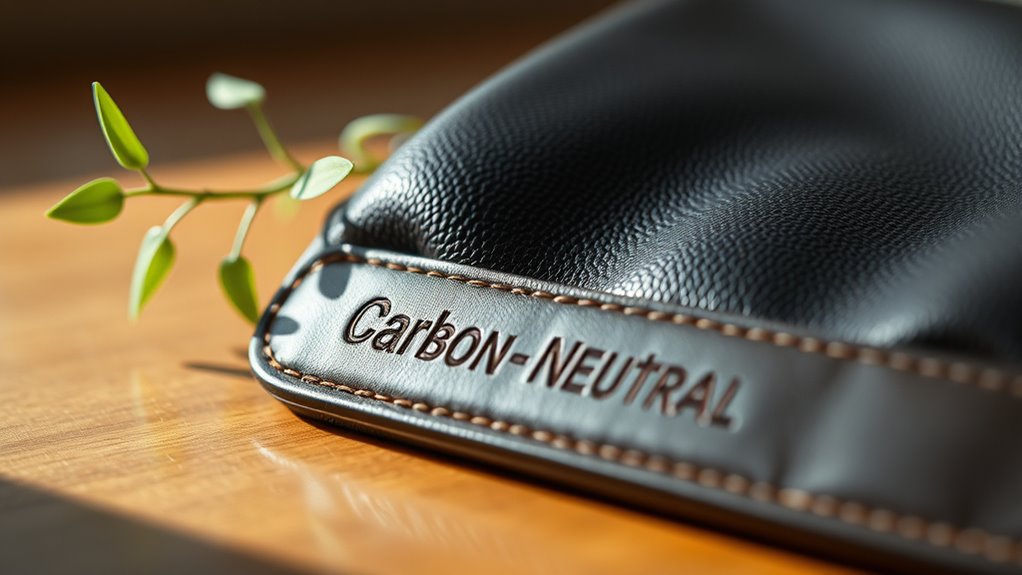
When a brand claims to be “carbon-neutral,” you should ask whether they’re actually reducing emissions or just offsetting them. Certification can help verify these claims, but not all labels are trustworthy. Be cautious—some companies may appear green but are engaging in greenwashing instead of genuine sustainability efforts. Additionally, understanding the specifics of how to verify their claims can reveal whether they are truly committed to environmental responsibility. For example, evaluating their carbon accounting processes can provide more transparency about their sustainability practices. It is also important to consider whether their offset projects are credible and have measurable impacts. Emerging AI-driven methods are increasingly used to enhance verification accuracy, ensuring that claims are backed by reliable data.
Offset vs. Reduce
Understanding what “carbon-neutral” truly means requires distinguishing between offsetting emissions and actively reducing them. Offsetting involves compensating for emissions by investing in projects like reforestation or renewable energy elsewhere. Reducing means directly lowering your own carbon footprint through sustainable practices, energy efficiency, or sourcing greener materials. In luxury branding, companies often emphasize offsets to claim neutrality, but savvy consumers are increasingly aware that true sustainability depends on reduction. If a brand relies solely on offsets, you might question how much they’re genuinely reducing their impact. Consumer awareness is rising, and many now look for brands committed to real change rather than just balancing numbers on paper. Clarity around offset versus reduce helps you make better-informed choices about luxury products claiming to be carbon-neutral.
Carbon Neutral Certification
What does it truly mean for a product or company to be labeled “carbon-neutral”? In luxury branding, this label suggests that the company has offset all its carbon emissions, balancing out its environmental impact. However, certification processes vary widely, and not all standards are equally rigorous. Some certifications rely on complex calculations, renewable energy investments, or carbon offsets, which may not directly reduce actual emissions. For you, understanding these nuances is essential, as customer perception hinges on authenticity. When a luxury brand attains a recognized carbon-neutral certification, it signals a commitment to sustainability that can enhance its reputation. But if the certification lacks transparency or credibility, it risks being perceived as greenwashing, undermining trust and the true value of its environmental claims.
Genuine vs. Greenwashing
How can you tell if a luxury brand’s claim of being “carbon-neutral” is genuine or just greenwashing? The key is to examine their luxury branding and transparency. Genuine claims are backed by clear, third-party certifications and detailed reports on their carbon offset projects. Greenwashing, on the other hand, often involves vague language, minimal action, or offsets that lack credibility. As a consumer, increasing your awareness helps you discern authentic efforts from superficial marketing. Look for brands that openly share their sustainability strategies and measurable impact. Remember, true carbon neutrality requires meaningful change across the entire supply chain, not just catchy claims. Being informed allows you to support brands genuinely committed to environmental responsibility, rather than those just riding the green wave for profit.
Common Strategies Behind Carbon-Neutral Claims

You’ll notice that brands use different types of offset projects to back their claims, from renewable energy to reforestation. It’s also important to scrutinize how they verify these claims, since not all certifications are equal. Often, marketing stories paint a greener picture than the actual efforts behind the scenes. For example, understanding the verification process can help consumers discern genuine commitments from marketing ploys. Additionally, the Gold IRA market features various providers with differing transparency and standards, which underscores the importance of thorough research. Recognizing the carbon offset standards used by companies can further aid in evaluating the authenticity of their claims. Incorporating smart home technology features such as energy management and automation can also enhance a company’s ability to meet sustainability goals transparently. Embracing automated energy monitoring can provide real-time insights into consumption patterns, boosting accountability and environmental impact.
Offset Project Types
Have you ever wondered how luxury brands claim to be carbon-neutral? They often rely on offset project types like reforestation projects and renewable energy initiatives. Reforestation projects involve planting trees to absorb CO₂ from the atmosphere, effectively removing carbon emissions. Renewable energy initiatives replace fossil fuels with wind, solar, or hydroelectric power, reducing emissions at their source. These projects help brands balance out their unavoidable emissions, making their claims seem more credible. However, it’s essential to understand that these offsets don’t eliminate a brand’s actual carbon footprint but compensate for it elsewhere. By investing in these offset project types, luxury brands aim to present a greener image, but the effectiveness depends on transparency and proper implementation.
Verifying Carbon Claims
To guarantee that luxury brands’ carbon-neutral claims are credible, they often adopt specific verification strategies. One key approach involves evaluating their carbon footprint through third-party audits and transparent reporting. These audits measure emissions across all activities, ensuring brands accurately account for their environmental impact. Additionally, many brands seek eco labels recognized by reputable environmental organizations, which verify that claims meet strict standards. These labels serve as a mark of authenticity, providing consumers with confidence that the brand’s efforts are genuine. By relying on independent verification and established eco labels, luxury brands aim to differentiate themselves and build trust. Ultimately, this process ensures their carbon-neutral claims are not just marketing jargon but backed by credible, verifiable data.
Marketing vs. Reality
Many luxury brands promote their carbon-neutral status through strategic marketing tactics that sometimes stretch the truth. They leverage luxury branding to appeal to eco-conscious consumers, often highlighting selective sustainability efforts while ignoring broader impacts. These marketing strategies emphasize green messaging, sleek visuals, and storytelling that evoke environmental responsibility. However, the reality behind these claims can differ markedly from the image presented. Brands may focus on offset programs or renewable energy investments that don’t fully account for their total carbon footprint. As a consumer, you need to scrutinize these marketing messages critically. Recognizing the gap between marketing and actual sustainability helps you make more informed choices and pushes brands toward genuine transparency and accountability.
The Role of Offsetting and Its Limitations

While offsetting can seem like a straightforward way for luxury brands to claim carbon neutrality, it often falls short of delivering genuine environmental benefits. Carbon offsetting involves investing in projects that reduce emissions elsewhere, but its effectiveness is limited by offset limitations. Not all offset projects deliver the promised reductions, and some may be poorly monitored or temporary. Additionally, offsetting doesn’t address the core issue of reducing actual emissions from production and consumption. Relying heavily on offsets can give a false sense of sustainability, allowing brands to appear eco-friendly without making meaningful changes. Moreover, the technology used in project monitoring plays a critical role in verifying the effectiveness of offsets. To truly achieve carbon neutrality, brands need to prioritize direct emission reductions rather than solely depending on offsetting, which can mask deeper environmental challenges. Implementing transparent reporting practices can help ensure accountability and build consumer trust in sustainability claims. Recognizing the importance of accurate data collection can further enhance the credibility of these efforts, especially when combined with advancements in remote sensing technologies that improve monitoring accuracy. Incorporating independent verification can also strengthen confidence in reported outcomes and ensure that claims are substantiated.
Greenwashing: When Promises Mask Reality

Offsetting can create the illusion that a luxury brand is environmentally responsible, but this often masks deeper issues through greenwashing. Luxury branding frequently uses vague claims or misleading language to shape positive consumer perception without making meaningful changes. You might see brands boasting about “sustainable practices,” yet their actions don’t always match their words. Greenwashing tricks you into believing they care about the environment when, in reality, they may be prioritizing profits over genuine impact. As a consumer, it’s easy to be influenced by polished marketing and high-end imagery. However, it’s vital to scrutinize claims and look beyond surface-level promises. Recognizing greenwashing helps you make more informed choices and encourages brands to be truly transparent and accountable. Being aware of environmental marketing tactics allows consumers to better identify genuine efforts versus superficial promises. Understanding greenwashing strategies can empower you to see through misleading environmental claims and advocate for authentic sustainability.
Verifying Transparency and Credibility
To truly verify a luxury brand’s commitment to sustainability, you need to look beyond their marketing claims and examine their transparency and credibility. Authentic luxury branding involves clear disclosures about sourcing, manufacturing processes, and carbon reduction efforts. Ask whether they publish detailed sustainability reports verified by independent auditors. Check if the brand’s claims align with third-party certifications or standards. Transparency builds consumer trust, proving they’re serious about their environmental impact. Be wary of vague language or selective disclosure that masks underlying issues. Genuine brands openly share their progress, setbacks, and future goals. By scrutinizing these aspects, you avoid being misled by superficial green claims and ensure your support goes to brands genuinely committed to sustainable practices.
The Importance of Lifecycle Assessments

Understanding the full environmental impact of a product helps you see beyond its final appearance. Lifecycle assessments provide an accurate measure of a product’s carbon footprint from start to finish. By prioritizing these evaluations, you guarantee more genuine sustainability claims in the luxury sector.
Full Environmental Impact
Evaluating the full environmental impact of a product or process is crucial for truly understanding its sustainability. You need to look beyond isolated claims and consider the entire lifecycle, from raw material extraction to disposal. Eco labeling can help identify products that meet certain environmental standards, but it doesn’t tell the whole story. A thorough assessment considers renewable energy use during manufacturing, transportation emissions, and end-of-life disposal. When luxury brands prioritize renewable energy, they reduce their carbon footprint and lessen environmental harm. By understanding the full impact, you can make more informed decisions and support brands committed to transparency. This approach encourages genuine sustainability efforts, ensuring that claims of eco-friendliness aren’t just marketing tactics but reflect real environmental responsibility.
Accurate Carbon Footprint
Since a product’s environmental impact extends beyond its initial creation, conducting a thorough lifecycle assessment is essential for accurately determining its carbon footprint. This assessment considers every stage, from raw material extraction to disposal, ensuring no hidden environmental costs. Accurate carbon footprint calculations help you make informed choices, especially when evaluating products with carbon labeling or eco certification. These labels indicate that a product meets specific environmental standards, but they often rely on lifecycle assessments to verify claims. Without a exhaustive view of the entire lifecycle, you risk being misled by superficial or incomplete data. By prioritizing detailed assessments, you can better discern genuine sustainability efforts from greenwashing, ensuring your purchases support authentic environmental responsibility.
How Consumers Can Recognize Genuine Efforts

How can you tell if a luxury brand’s carbon-neutral claims are genuine or just marketing hype? Start by examining their luxury branding—do they provide transparent details about their sustainability initiatives? Authentic efforts are often backed by clear certifications from reputable organizations, not vague promises. Be wary of brands that use buzzwords without concrete actions or data. Consumer skepticism is healthy; ask questions about supply chain practices, offsets, and long-term commitments. Look for brands that disclose their environmental impact and actively participate in verified programs. Genuine efforts demonstrate consistency over time, not just a one-off campaign. Trustworthy luxury brands prioritize transparency, making it easier for you to support efforts that align with your values. Recognizing authentic sustainability helps you make informed choices and supports real change.
The Future of Sustainable Luxury
The future of sustainable luxury is poised for significant transformation as brands increasingly integrate environmental responsibility into their core identities. You’ll notice luxury branding shifting toward authentic sustainability, with companies prioritizing transparency and impactful practices. Consumer awareness continues to grow, driving brands to deliver on eco-friendly promises without greenwashing. Expect more brands to embrace innovative materials, circular models, and carbon-neutral processes to meet evolving expectations. As you become more informed, your choices will influence luxury brands to adopt genuine sustainability measures. This shift isn’t just about marketing; it’s about reimagining luxury as a force for positive change. Ultimately, future sustainable luxury will align exclusivity with responsibility, making your role as a conscious consumer more essential than ever.
Holding Brands Accountable for Their Promises

As consumers become more vigilant about sustainability claims, holding brands accountable has never been more essential. You need to scrutinize their promises, especially regarding carbon footprint reductions and eco labeling. Brands may tout carbon-neutral status or eco-friendly materials, but without transparent data, it’s hard to verify these claims. Demand clear proof of how they measure and offset emissions, and look for third-party verification to ensure honesty. Holding brands accountable means questioning the specifics behind their promises, not just accepting buzzwords. By doing so, you push luxury brands to prioritize genuine sustainability over marketing tricks. Your awareness encourages transparency, fostering industry-wide accountability that benefits both the environment and your trust in these brands’ commitments.
Frequently Asked Questions
How Do Brands Calculate Their Carbon Footprint Accurately?
You can calculate your brand’s carbon footprint accurately through rigorous carbon accounting and emission measurement. Start by collecting data on energy use, transportation, manufacturing processes, and supply chains. Use standardized tools and protocols to quantify emissions precisely. Regularly update your data to track changes, verify your calculations, and ensure transparency. This approach helps you understand your environmental impact and substantiate your carbon-neutral claims credibly.
What Certifications Verify Genuine Sustainability Claims in Luxury?
You can verify genuine sustainability claims in luxury through certifications like the Forest Stewardship Council (FSC), LEED, and B Corp. These certifications enhance luxury branding by demonstrating real environmental commitment, helping to build consumer trust. When you see these marks, you know the brand adheres to strict standards, ensuring their sustainability claims aren’t just marketing fluff but backed by recognized, credible verification.
Are There Legal Standards Regulating Carbon-Neutral Claims?
Yes, legal standards regulate carbon-neutral claims to reduce greenwashing risks and guarantee legal compliance. You should be aware that false or exaggerated claims can lead to legal penalties. Regulations vary by country but generally require transparency and proof of sustainability efforts. By adhering to these standards, you protect your brand’s reputation, demonstrate genuine commitment to sustainability, and avoid potential legal issues associated with greenwashing.
How Do Offset Projects Impact Local Communities?
You might think offset projects always help local communities, but that’s not always true. Sometimes, they can harm local livelihoods if projects displace people or restrict land use. However, well-designed offsets can boost community impact by creating jobs, supporting local economies, and improving environmental conditions. It’s vital to evaluate each project’s specifics to guarantee they genuinely benefit local communities instead of just offsetting carbon without real community gains.
Can Luxury Consumers Influence Brands to Improve Transparency?
Yes, you can influence luxury brands to improve transparency through consumer activism. Your choices and voices impact luxury branding, encouraging brands to be more honest about their sustainability efforts. By demanding clear information and supporting genuinely sustainable products, you push brands to prioritize transparency. Your active engagement signals that ethical practices matter, prompting luxury companies to be more accountable and aligned with environmentally responsible standards.
Conclusion
As you navigate the shimmering world of luxury, remember to look beyond the glossy surface. Like peering through a fine crystal, see the true depth of a brand’s efforts—are they genuine or just a fleeting sparkle? By asking questions and understanding the fine print, you hold the power to support truly sustainable practices. Together, you can help shape a future where luxury shines not just with elegance, but with integrity and responsibility.