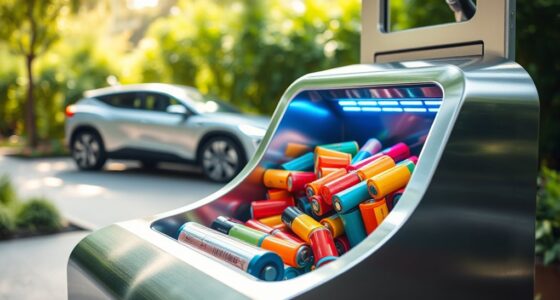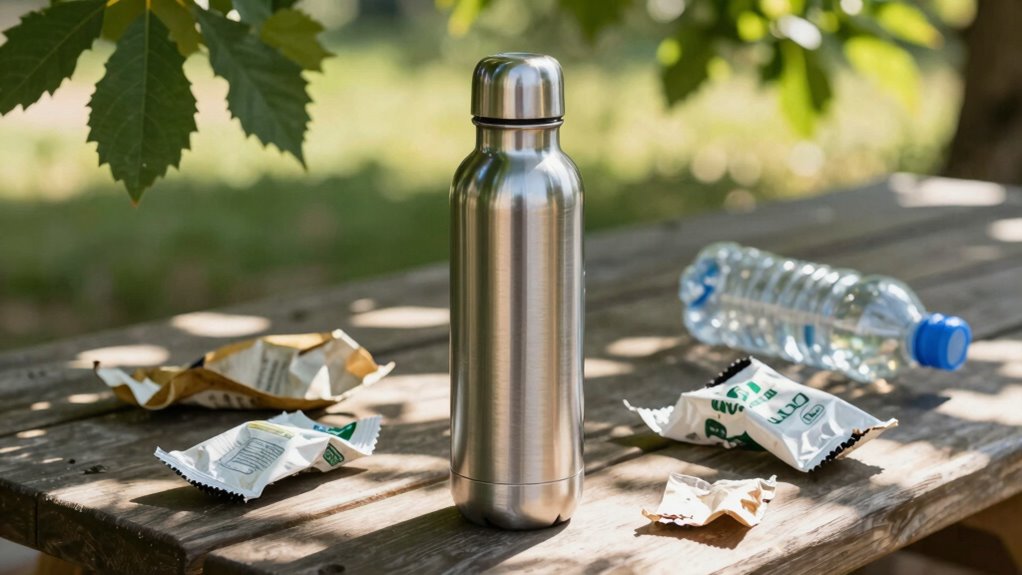

Buying quality products quietly boosts sustainable manufacturing by encouraging companies to use eco-friendly materials and cut waste at every stage. When you choose durable items, you reduce the frequency of disposal, lowering landfill waste and pollution. Supporting high-quality goods promotes resource conservation and innovation in eco-friendly techniques. This shift benefits the environment over time by conserving water, energy, and raw materials. Keep exploring to discover how your choices can make a lasting environmental difference.

Get your wardrobe favorites delivered free with Prime
- Fast, free delivery on millions of items
- Prime Video, Amazon Music and more included
- Member-only deals all year
Key Takeaways
- Buying quality products reduces waste by increasing product lifespan and decreasing the need for frequent replacements.
- High-quality items promote sustainable manufacturing practices that minimize environmental harm.
- Durable products require fewer resources over time, conserving raw materials like minerals, water, and forests.
- Supporting quality goods encourages companies to adopt eco-friendly materials and waste reduction strategies.
- Longer-lasting products lessen landfill volume and pollution from disposal and chemical leaching.

Have you ever considered how your purchasing choices impact the environment? When you opt for high-quality products, you’re not just investing in durability and performance—you’re also supporting sustainable manufacturing practices. These practices focus on reducing the environmental footprint of production processes, often emphasizing waste reduction at every stage. By choosing well-made items, you’re encouraging manufacturers to prioritize eco-friendly materials, efficient resource use, and responsible disposal methods. This creates a ripple effect, prompting more companies to adopt sustainable manufacturing standards, which ultimately benefits the planet.
When you buy quality, you’re less likely to replace items frequently. Fast, cheap products tend to wear out quickly or break easily, leading to a cycle of constant consumption and disposal. This cycle contributes notably to waste accumulation in landfills and increases pollution from manufacturing and transportation. In contrast, durable, well-crafted products last longer, meaning you throw away less and reduce the volume of waste generated. Waste reduction becomes a key environmental benefit because fewer discarded items mean less landfill space used, less leaching of harmful chemicals, and lower emissions from waste processing.
Moreover, investing in quality goods often encourages manufacturers to focus on sustainable manufacturing techniques that minimize environmental harm. These techniques include using eco-friendly materials, reducing water and energy consumption during production, and implementing recycling or reuse strategies. When consumers support such practices through their purchasing habits, companies are motivated to improve their environmental impact, creating a more sustainable supply chain. Over time, this shift helps foster innovation in eco-conscious manufacturing methods that benefit both the environment and future generations.
Your choice to buy quality also influences the lifecycle of products. High-quality items are designed for longevity, which means fewer replacements and less demand for raw materials. This reduces the strain on natural resources like minerals, forests, and water. Additionally, when products are built to last, they often require fewer repairs and less maintenance, further decreasing their environmental footprint. This emphasis on durability aligns with the goal of waste reduction because it extends the use of each product and delays or eliminates the need for disposal. Incorporating sustainable manufacturing practices in production further enhances these environmental benefits. Recognizing the importance of product lifecycle sustainability can help consumers make more environmentally responsible choices, ultimately fostering a more sustainable planet.
As an affiliate, we earn on qualifying purchases.
Frequently Asked Questions
How Does Buying Quality Reduce Overall Waste Production?
Buying quality reduces overall waste production because you choose products made with eco-friendly materials that last longer. This shift in consumer behavior means fewer items end up in landfills, reducing waste. When you invest in durable goods, you decrease the need for frequent replacements, cutting down on packaging and manufacturing waste. Your choices positively impact the environment by promoting sustainability and lessening the burden on waste management systems.
What Role Does Durability Play in Environmental Impact?
Durability plays a vital role in environmental impact because it guarantees products last longer, reducing waste. When you choose items made from sustainable materials and produced through eco-friendly manufacturing, you minimize the need for frequent replacements. This not only cuts down on landfill waste but also lowers resource consumption. By prioritizing durability, you support a more sustainable cycle, decreasing your overall environmental footprint and promoting responsible consumption.
Are Higher-Quality Products More Energy-Efficient?
Think of higher-quality products as well-tuned engines—more energy-efficient and built to last. You benefit from smarter material sourcing and refined manufacturing processes that reduce waste and energy use. By choosing quality, you’re not just investing in durability; you’re also lowering your carbon footprint. These products often consume less energy over their lifespan, making them a sustainable choice that benefits both the environment and your wallet.
How Does Manufacturing Quality Products Affect Resource Consumption?
Manufacturing quality products reduces resource consumption by streamlining the supply chain and optimizing material sourcing. When you choose well-made items, companies often use fewer resources because they focus on durable, efficient designs that last longer. This decreases waste and minimizes the environmental impact. Additionally, a more efficient supply chain means less energy use and fewer emissions, making quality manufacturing a smarter choice for conserving resources and protecting the environment.
Can Buying Quality Influence Product Lifespan and Disposal?
Did you know that high-quality products often last 2-3 times longer than cheaper alternatives? When you choose quality, you extend your product’s lifespan, reducing the need for frequent replacements. This encourages product repair instead of disposal and promotes material sustainability. By investing in durable items, you minimize waste and lessen environmental impact, making your choices more eco-friendly and ultimately benefiting the planet in the long run.
high quality sustainable kitchenware
As an affiliate, we earn on qualifying purchases.
As an affiliate, we earn on qualifying purchases.
Conclusion
By choosing quality over quantity, you’re making a powerful environmental statement. Did you know that producing a single poorly made pair of shoes can generate three times the waste of a well-made one? Every time you invest in durable, high-quality products, you reduce waste, conserve resources, and help protect our planet. Your choices matter more than you think—so next time, opt for quality and be part of the solution to environmental harm.
long-lasting eco-friendly clothing
As an affiliate, we earn on qualifying purchases.
As an affiliate, we earn on qualifying purchases.
As an affiliate, we earn on qualifying purchases.
Fall Picks
fall essentials
As an affiliate, we earn on qualifying purchases.