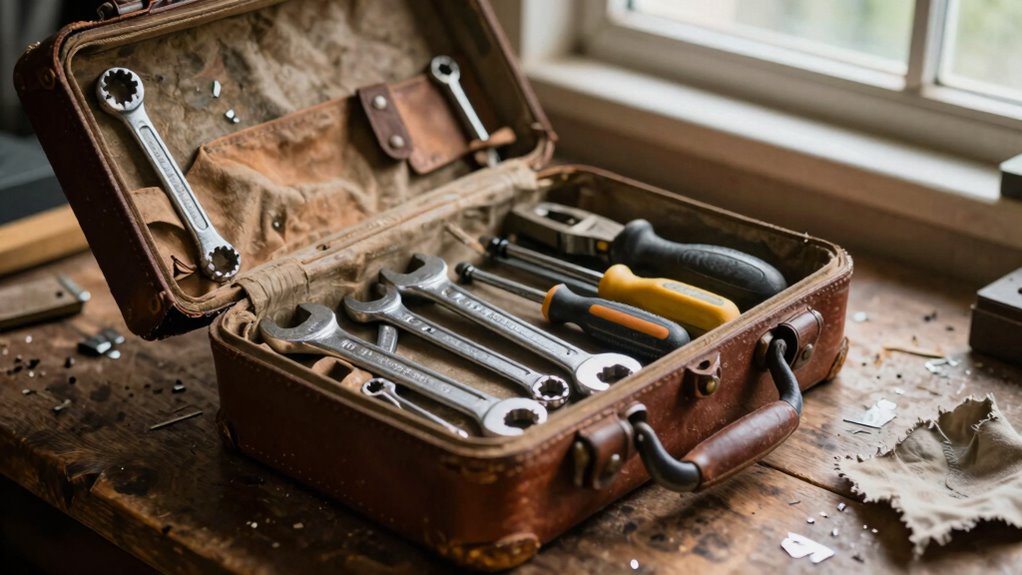

Embracing repair culture reflects a luxury mindset because it values craftsmanship, durability, and sustainability over quick trends and disposable items. You intentionally care for your possessions, fostering meaningful connections and reducing waste. This approach challenges the superficial display of wealth, focusing instead on quality and long-lasting value. By choosing repair, you support brands that prioritize responsible materials and designs. Stick around to discover how this mindset can transform how you see true luxury and purpose.

Get your wardrobe favorites delivered free with Prime
- Fast, free delivery on millions of items
- Prime Video, Amazon Music and more included
- Member-only deals all year
Key Takeaways
- Repair culture emphasizes durability and craftsmanship, aligning with the values of mindful, long-lasting luxury over fleeting trends.
- Choosing repair over replacement reflects ethical responsibility and supports sustainable, responsible consumption.
- Repairing items adds meaningful stories and history, elevating possessions to a status of intentional, purposeful luxury.
- It challenges the disposable mindset, redefining luxury as quality, care, and environmental consciousness.
- Repair culture promotes a sense of exclusivity through craftsmanship and thoughtful maintenance, making possessions uniquely valuable.

In a world increasingly driven by consumerism, the rise of repair culture challenges the traditional luxury mindset that equates status with constant newness. Instead of chasing fleeting trends or disposable items, you’re beginning to see value in sustainable innovation—finding smarter, longer-lasting solutions that prioritize quality over quantity. This shift isn’t just about saving money; it’s about embracing a mindset that recognizes your consumer responsibility. When you choose to repair rather than replace, you align your actions with a broader sense of accountability for the environment and society. This perspective reframes what luxury truly means, moving it away from superficial displays of wealth to a deeper appreciation for durability, craftsmanship, and ethical consumption.
Repair culture embodies a form of luxury that’s rooted in intentionality. It’s not about having the latest gadget or the most fashionable accessory, but about valuing items that have been thoughtfully maintained and restored. This approach promotes sustainable innovation, where brands and consumers work together to develop products designed with longevity in mind. Instead of pushing for rapid obsolescence, companies invest in better materials, modular designs, and repair-friendly features. As a consumer, you take on an active role—your choice to repair signals to manufacturers that durability and sustainability matter. This creates a cycle where quality products are valued more highly, and waste is minimized.
By adopting this mindset, you challenge the idea that luxury is synonymous with excess. It’s an act of rebellion against the throwaway culture that encourages constant consumption. Instead, you see value in caring for what you own, understanding that true luxury lies in the stories your items can tell through their repair and preservation. This approach also encourages you to be more responsible in your purchasing decisions, supporting brands that prioritize sustainable innovation and ethical practices. Your consumer responsibility extends beyond just buying; it involves maintaining, repairing, and prolonging the life of your possessions.
Ultimately, repair culture isn’t just a trend—it’s a statement about redefining what luxury means in a world facing environmental and social challenges. It’s about making mindful choices that reflect your values and contribute to a more sustainable future. When you choose repair over replacement, you’re not only preserving the integrity of your belongings but also participating in a movement that elevates the concept of luxury into something more meaningful—one rooted in responsibility, sustainability, and genuine craftsmanship. Recognizing the importance of mammography guidelines and early detection strategies can also be seen as a parallel in valuing proactive care and longevity in health practices. Additionally, incorporating landscaping that supports eco-friendly principles can enhance the sustainability of your outdoor spaces.
As an affiliate, we earn on qualifying purchases.
Frequently Asked Questions
How Does Repair Culture Impact Environmental Sustainability?
Repair culture boosts environmental sustainability by promoting sustainable practices and waste reduction. When you repair items instead of discarding them, you extend their lifespan, reducing landfill waste and conserving resources. This mindset encourages mindful consumption, decreases the demand for new products, and minimizes pollution. By embracing repair culture, you actively contribute to a healthier planet, making sustainable choices that foster a more resilient and eco-friendly future.
What Are the Economic Benefits of Adopting a Repair Mindset?
Imagine fixing your old phone instead of buying a new one—this simple choice boosts your resource efficiency and saves money. By adopting a repair mindset, you reduce costs associated with replacements and repairs, leading to significant savings over time. Plus, you support local repair shops, boosting the economy. Embracing repair not only benefits your wallet but also promotes a sustainable, resilient economy rooted in smart, cost-effective resource use.
How Can Repair Culture Be Made More Accessible Globally?
You can make repair culture more accessible globally by fostering community engagement through local workshops and online platforms. Address cultural barriers by respecting diverse traditions and languages, ensuring repair initiatives are inclusive. Collaborate with local leaders to adapt repair practices to different contexts, and promote awareness of the environmental and economic benefits. By building inclusive networks, you empower communities worldwide to embrace repair as a sustainable, accessible, and valuable mindset.
What Role Does Education Play in Fostering Repair Habits?
Education acts as the seedbed for repair habits, planting the roots of skill development and repair education early on. By teaching practical skills and fostering hands-on learning, you can turn repair into second nature. Think of it as watering a garden—consistent, focused education nurtures a culture of fixing rather than discarding. When you prioritize repair education, you empower yourself and others to embrace sustainable habits for a lifetime.
How Does Repair Culture Influence Consumer Identity?
Repair culture shapes your consumer identity by emphasizing sustainability and responsibility, fostering a sense of consumer pride. When you choose to repair instead of replace, you express a conscious, eco-friendly identity that aligns with your values. This mindset influences how you see yourself, making repair an act of identity expression. It transforms consumption from merely acquiring to caring for your possessions, reinforcing your commitment to thoughtful, sustainable living.
sustainable wooden furniture repair kit
As an affiliate, we earn on qualifying purchases.
As an affiliate, we earn on qualifying purchases.
Conclusion
Embracing repair culture isn’t just about fixing things; it’s about shifting your mindset from consumerism to sustainability. When you choose to repair rather than replace, you challenge the notion that quality and longevity are luxuries. Remember, “A stitch in time saves nine”—taking care of what you have now prevents bigger problems later. By making repair a habit, you not only save money but also contribute to a more mindful, responsible world.
As an affiliate, we earn on qualifying purchases.
As an affiliate, we earn on qualifying purchases.
Halloween Picks
halloween
As an affiliate, we earn on qualifying purchases.