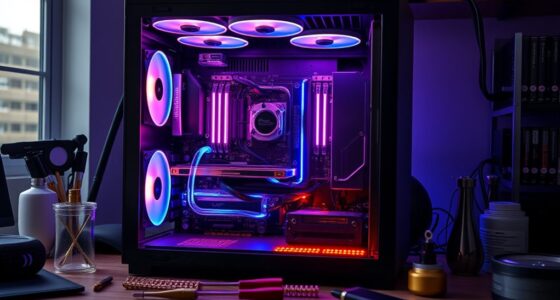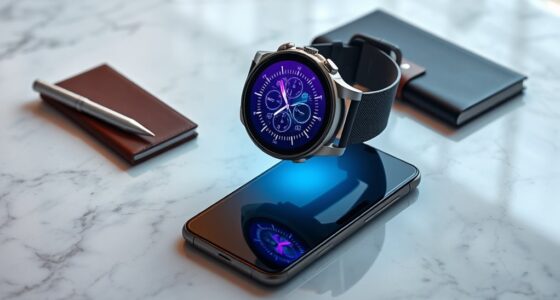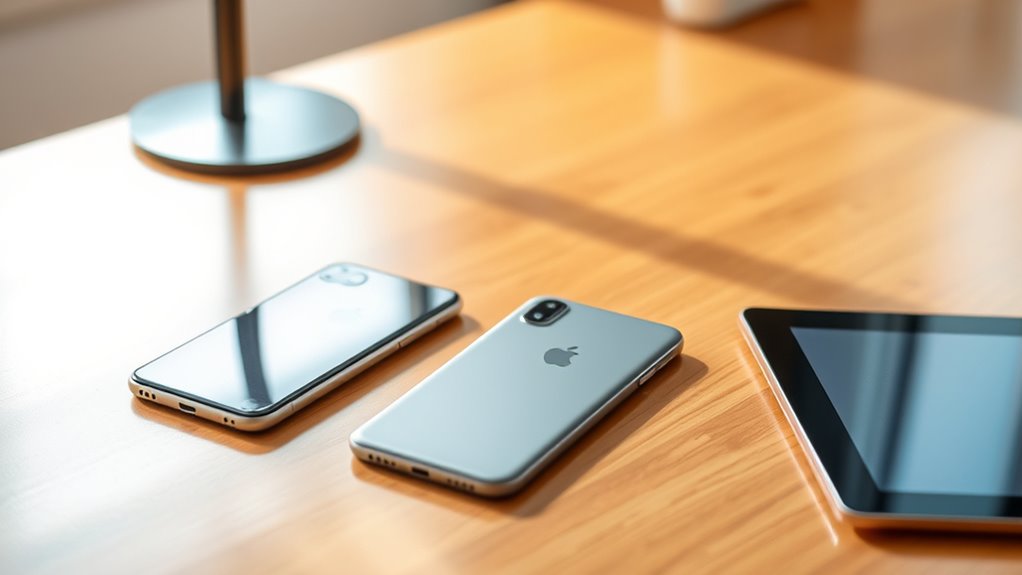

Deciding whether to upgrade or hold onto your high-end gadgets depends on your needs and environmental concerns. If your device still meets your performance requirements and runs smoothly, holding onto it longer can reduce e-waste and resource consumption. Only upgrade when necessary for improved speed, features, or reliability. Striking a balance helps you stay current without harming the planet. If you want to uncover more tips on making eco-friendly upgrade choices, keep exploring further.

Get your wardrobe favorites delivered free with Prime
- Fast, free delivery on millions of items
- Prime Video, Amazon Music and more included
- Member-only deals all year
Key Takeaways
- Assess if your current device meets your needs before considering an upgrade.
- Upgrade only when performance, security, or features significantly improve, reducing unnecessary replacements.
- Longer device lifespans and repairability options help balance technological benefits with environmental impact.
- Frequent upgrades accelerate e-waste and resource consumption, so delay unless essential.
- Create a sustainable upgrade routine aligned with your usage and ecological considerations.
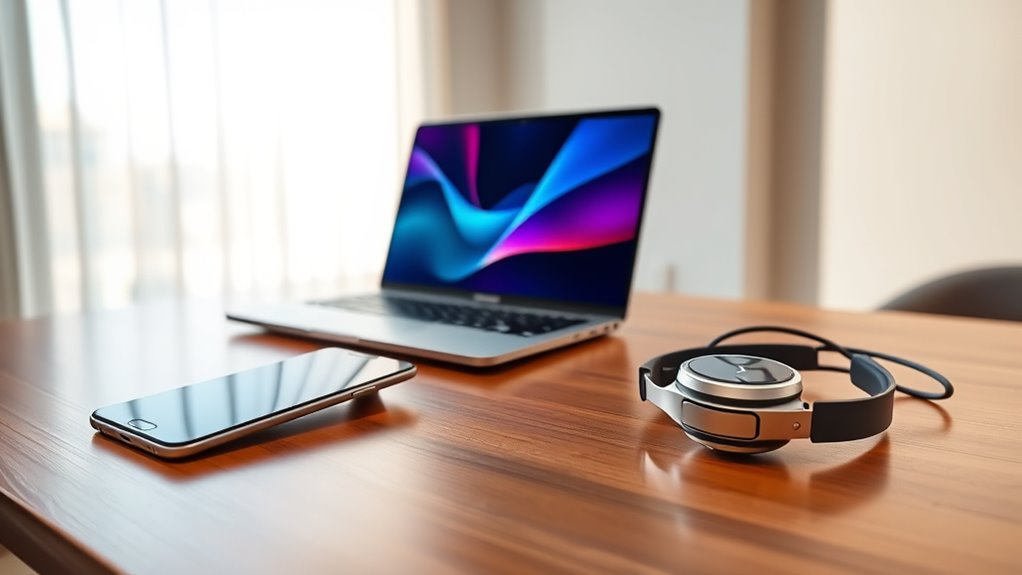
Deciding whether to upgrade your technology or hold on to what you have can be a tough choice, especially with rapid advancements and evolving features. New tech advancements seem to hit the market every few months, offering better performance, more features, and sleek designs. But before rushing to buy the latest gadget, it’s worth contemplating the environmental impact of frequent upgrades. Manufacturing new devices consumes significant resources, energy, and raw materials, which contribute to environmental degradation. If you upgrade too often, you might find yourself contributing unnecessarily to e-waste and pollution, even if the latest device seems tempting. On the other hand, holding onto older gadgets for too long can mean missing out on improvements that could enhance your daily life, from faster processors to better cameras. The key is finding a balance that aligns with your needs and values.
When evaluating if it’s time to upgrade, consider whether your current device still meets your requirements. If your phone or laptop is slow, crashing, or lacking essential features, upgrading could save you frustration and increase productivity. However, if your device still functions well and only lacks a few minor features, waiting might be more sustainable. Tech advancements have made devices more durable and longer-lasting, so upgrading isn’t always necessary just because a new model is out. Instead, assess whether the upgrade offers a significant benefit or if it’s more about status or trends. Remember, upgrading frequently can have a cumulative environmental impact, contributing to the growing mountain of e-waste globally. Additionally, some high-end gadgets now incorporate longer-lasting components, which can reduce the frequency of replacements and support sustainability.
Another aspect to contemplate is the lifecycle of your gadgets and their repairability. If your device is easy to repair or upgrade internally, you might extend its lifespan and reduce environmental harm. Many high-end gadgets now support modular upgrades, allowing you to replace parts instead of tossing the entire device. This approach not only minimizes waste but also maximizes your investment. Also, think about resale value; sometimes, selling an older device can fund your upgrade and ensure it gets a second life with someone who needs it.
Ultimately, deciding whether to upgrade or hold is a personal choice that balances your technological needs with environmental consciousness. Staying aware of the broader impact of your decisions can help you make more sustainable choices. By weighing the benefits of new features against the environmental costs, you can develop a thoughtful upgrade cycle—one that keeps you technologically current without harming the planet.
As an affiliate, we earn on qualifying purchases.
Frequently Asked Questions
How Do Software Updates Affect Gadget Longevity?
Software updates, including patching and firmware upgrades, directly impact your gadget’s longevity. They fix security vulnerabilities, improve performance, and add new features, helping your device stay relevant longer. Regularly applying these updates guarantees your high-end gadget runs smoothly and securely. Skipping them can cause compatibility issues or slow down your device over time. So, stay proactive with software patching and firmware upgrades to extend your gadget’s lifespan effectively.
What Are Signs My Gadget Is Becoming Obsolete?
You’ll notice your gadget becoming obsolete when battery health declines markedly, causing shorter usage times, or hardware deterioration leads to sluggish performance or frequent crashes. If your device struggles with basic tasks, can’t support the latest software updates, or feels physically worn out, it’s a clear sign it’s time to contemplate replacing it. Staying aware of these signs helps you decide when upgrading will serve you better than holding on.
Is Resale Value a Good Reason to Upgrade?
Resale value can be a compelling upgrade motivation, acting like a cherry on top of your gadget investment. If your device maintains high resale benefits, upgrading might make sense, especially if newer models offer significant improvements. However, consider whether the resale gain outweighs the cost of upgrading. Remember, sometimes holding onto your high-end gadget longer can lead to better value, but if resale prospects are bright, it’s a smart reason to upgrade.
How Can I Extend My Gadget’s Lifespan?
To extend your gadget’s lifespan, focus on battery maintenance by avoiding extreme charges and keeping it cool. Use protective accessories like cases and screen protectors to prevent damage from drops and scratches. Regularly update your device’s software to fix bugs and enhance efficiency. Avoid overusing resource-heavy apps, and schedule professional check-ups if needed. These steps help your gadget stay functional and efficient longer, maximizing your investment.
When Do Repairs Outweigh Replacement Costs?
When do repairs outweigh replacement costs? It’s when your gadget’s battery health declines markedly, causing frequent issues, and warranty coverage has expired or doesn’t cover the problem. At this point, the costs of ongoing repairs add up and might surpass the price of a new device. You’ll feel that gut-wrenching decision—should you keep fixing or finally replace? Keep an eye on battery health and warranty status to stay ahead.
As an affiliate, we earn on qualifying purchases.
Conclusion
Ultimately, deciding whether to upgrade or hold depends on your needs and budget. If your current gadget still gets the job done, it’s often best to wait until it’s truly outlived its usefulness. Remember, sometimes the grass isn’t greener on the other side, so don’t rush into a new purchase just for the latest features. Stay patient and weigh your options carefully—when the time’s right, you’ll know it’s worth the switch.
As an affiliate, we earn on qualifying purchases.
As an affiliate, we earn on qualifying purchases.
Evergreen bestsellers Picks
bestsellers
As an affiliate, we earn on qualifying purchases.