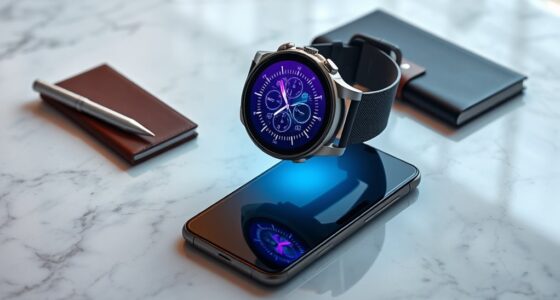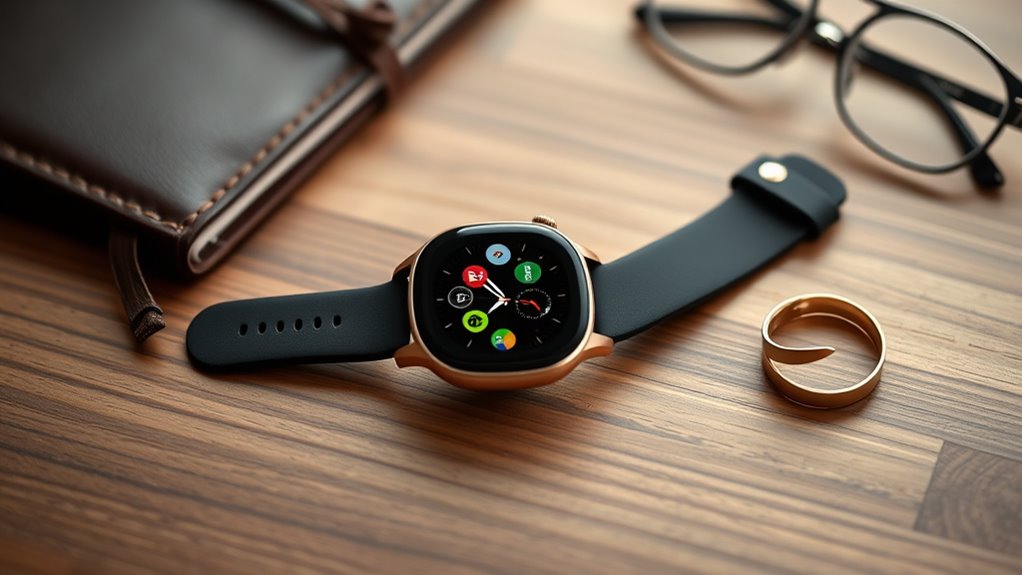

Smartwatches have evolved from bulky, basic tech devices used by early adopters into sleek, luxury accessories that blend style with innovation. Advances in battery life, health sensors, and connectivity transformed them from simple tools to essential fashion statements. Today, brands focus on premium materials and customizable designs that appeal to style-conscious consumers. If you stay curious, you’ll discover how this stylish tech continues to push boundaries in both fashion and functionality.

Get your wardrobe favorites delivered free with Prime
- Fast, free delivery on millions of items
- Prime Video, Amazon Music and more included
- Member-only deals all year
Key Takeaways
- Early smartwatches started as bulky, functional devices focused on notifications and fitness tracking for tech enthusiasts.
- Technological advances enhanced sensors, battery life, and added features like GPS, music, and voice assistants.
- Design shifted from utilitarian to fashionable, utilizing premium materials, customizable faces, and stylish accessories.
- Consumer preferences evolved, with smartwatches now regarded as essential luxury fashion accessories influencing brand loyalty.
- Future trends include biometric health monitoring, immersive AR features, personalized designs, and smart home connectivity integration.
The Origins and Early Models of Smartwatches
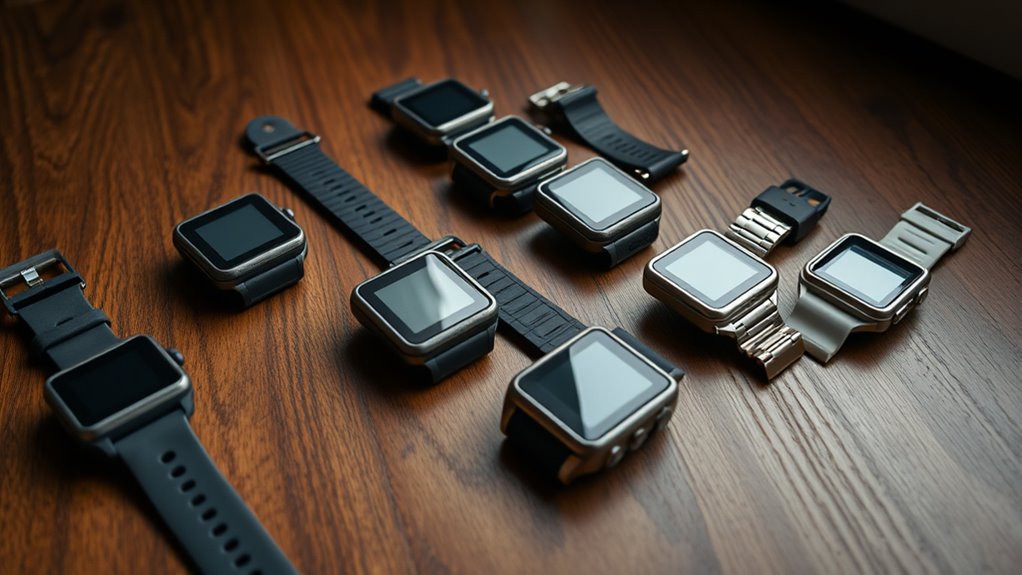
Although smartwatches are a relatively recent innovation, their origins trace back to the early 2000s when companies began experimenting with wearable technology. During this period, key historical milestones marked the development of these devices, with early models primarily targeting tech enthusiasts and early adopters eager to explore new gadgets. These pioneers fueled interest by experimenting with features like basic notifications and fitness tracking. Companies such as Microsoft and Sony launched some of the first prototypes, though these early watches were often bulky and limited in functionality. Despite their primitive design, they laid the groundwork for future innovations. Additionally, display technology played a crucial role in advancing their visual appeal and usability. Early adopters played a vital role by providing feedback, helping manufacturers refine features and usability, setting the stage for the more sophisticated smartwatches we see today.
Technological Breakthroughs and Feature Expansion
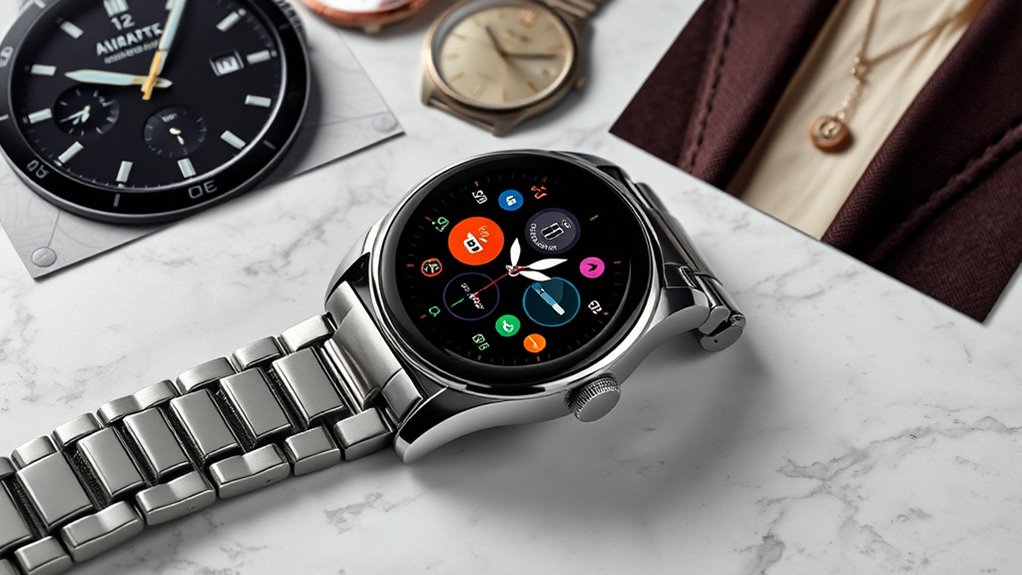
Advancements in technology have propelled smartwatches beyond basic notification and fitness features, enabling a rapid expansion of capabilities. Today, improved battery life means you can go longer between charges, making your watch more reliable for daily use. Enhanced health sensors now monitor heart rate, blood oxygen levels, and even ECG readings, giving you detailed insights into your well-being. These sensors provide real-time data, helping you track progress and identify potential health issues early. Faster processors and more advanced software have also introduced features like GPS navigation, music streaming, and voice assistants, making your smartwatch a versatile tool. As technology continues to evolve, these innovations push smartwatches from simple gadgets into essential, multifunctional devices integrated into your daily life. European cloud innovation is also driving the development of more secure and sustainable solutions to support these advanced features.
Design Evolution: From Functional to Fashion-Forward
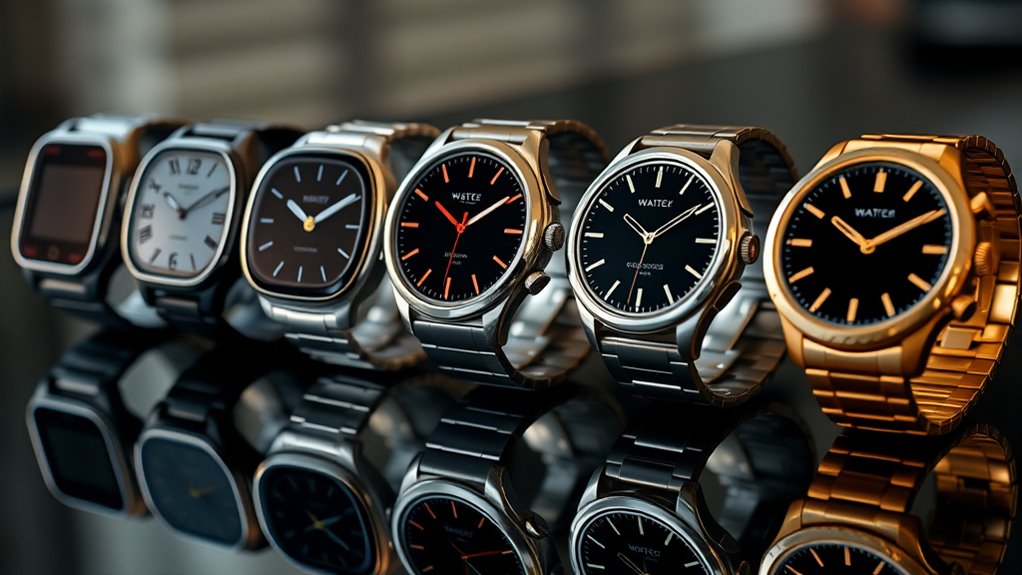
As smartwatches have evolved, their designs have shifted from simple, utilitarian devices to stylish accessories that complement personal style. Materials innovation plays a key role here—companies now use premium metals, ceramics, and even vegan leather to enhance aesthetic appeal and durability. These choices allow you to choose a watch that fits your lifestyle and fashion sense. The incorporation of Free Floating elements in design, such as interchangeable straps and customizable watch faces, further enhances versatility and personalization. Branding strategies also influence design, with luxury brands creating distinctive, recognizable styles that serve as status symbols. The focus has moved beyond basic functionality, emphasizing visual appeal and material quality. You now see watches that blend seamlessly with your wardrobe, making them more than just gadgets—they’re fashion-forward statements that showcase your personality and taste.
Consumer Preferences and Market Shifts

Consumer preferences have shifted considerably as smartwatches become more than just functional devices; they’re now seen as essential fashion accessories. You value brand loyalty when choosing a smartwatch, often sticking with brands that reflect your style and status. Market shifts show a clear move toward premium designs, which leads companies to adopt sophisticated pricing strategies to appeal to luxury buyers. Affordable options still exist, but consumer demand for high-end features and aesthetics pushes brands to innovate and justify higher prices. You’re seeking devices that blend technology with fashion, making your smartwatch a statement piece. As a result, the market now prioritizes personalization, exclusivity, and brand reputation, transforming smartwatches from mere gadgets into symbols of personal identity and social standing. Additionally, the increasing influence of Youngster Choice in the industry highlights the importance of personal branding and social media presence in shaping consumer preferences.
The Future of Smartwatches in Fashion and Technology
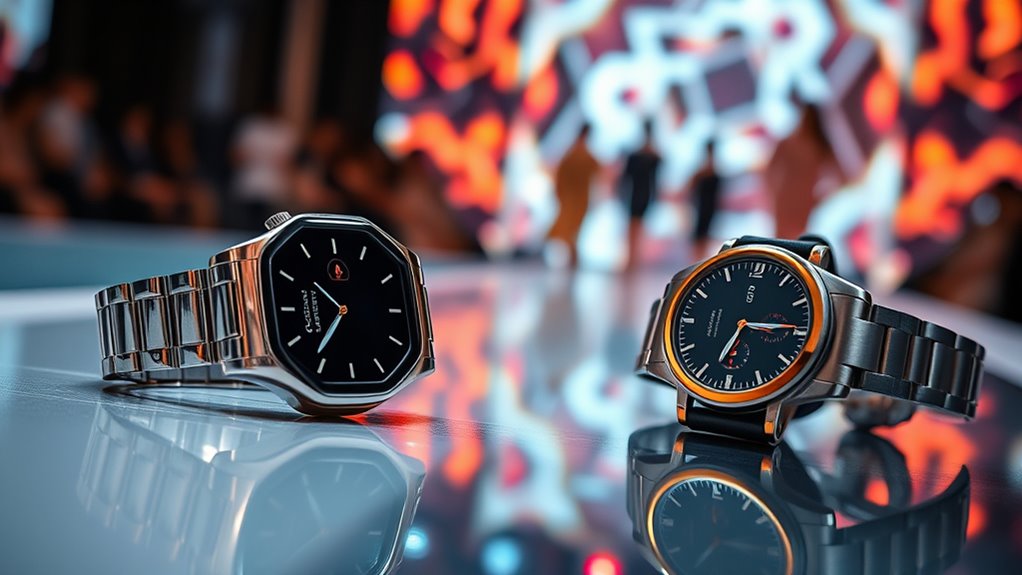
The future of smartwatches in fashion and technology is set to blur the lines even further between utility and style, as innovations enable devices to become more personalized and seamlessly integrated into daily life. Biometric integration will advance, allowing your watch to monitor health metrics like stress levels, hydration, and even blood sugar in real-time. This data will help you make smarter lifestyle choices without sacrificing aesthetics. Augmented reality (AR) features will become more immersive, enabling you to access notifications, navigation, or virtual try-ons directly on your wrist. Expect sleek, customizable designs that adapt to your preferences and activities. As technology and fashion continue to merge, smartwatches will not only serve functional needs but also become essential accessories that reflect your identity and enhance your daily routines. Additionally, local automation will enable your smartwatch to coordinate seamlessly with other smart home devices, creating a more connected and intuitive living environment.
Frequently Asked Questions
How Do Smartwatches Impact Traditional Watchmaking Industries?
Smartwatches challenge traditional watchmaking industries by shifting focus from mechanical craftsmanship to digital innovation and luxury branding. You might find that they attract new customers seeking modern style and tech features, often at a lower price point. While they threaten classic craftsmanship, they also push brands to innovate, blending tradition with technology to stay relevant in a fast-changing market. This evolution influences how traditional watchmakers position their luxury brands today.
What Are the Environmental Considerations of Smartwatch Manufacturing and Disposal?
You should consider the environmental impact of smartwatch manufacturing and disposal. Using sustainable materials like recycled metals and plastics helps reduce resource depletion. Participating in recycling initiatives ensures old devices are properly disposed of, preventing e-waste from harming the environment. By choosing brands committed to eco-friendly practices, you support a more sustainable future and minimize your ecological footprint.
How Do Different Cultures Influence Smartwatch Design Trends Globally?
You’ll notice that different cultures influence smartwatch design trends through cultural aesthetics and regional preferences. For example, Asian markets often favor sleek, minimalist styles with advanced features, while European designs might emphasize luxury and craftsmanship. In the Middle East, bold and ornate designs are popular. By understanding these cultural nuances, manufacturers tailor their smartwatches to meet diverse tastes, ensuring global appeal and market success.
What Privacy Concerns Are Associated With Smartwatch Data Collection?
Your smartwatch is like a vault, guarding your data security and user privacy, but vulnerabilities exist. Hackers could access sensitive health info or location data if security measures falter. Companies might misuse your data or share it without consent, risking privacy breaches. Staying aware of these risks helps you protect yourself, ensuring your smartwatch remains a helpful tool rather than a privacy pitfall.
How Do Smartwatches Influence Health and Fitness Behaviors Long-Term?
Smartwatches boost your fitness motivation by providing real-time feedback and personalized goals, encouraging you to stay active regularly. Over the long term, they foster sustained engagement in healthy behaviors by tracking progress and celebrating milestones. This continuous connection helps you develop consistent routines, making fitness a natural part of your lifestyle. As a result, smartwatches markedly influence your health habits, promoting lasting positive change.
Conclusion
As you watch smartwatches evolve, it’s like witnessing a caterpillar turn into a butterfly—transforming from simple tech gadgets into stylish accessories. You now see devices that blend fashion and function seamlessly, appealing to both tech enthusiasts and luxury lovers. This journey isn’t slowing down; it’s only getting more exciting. So, as you embrace these sleek innovations, remember they’re not just gadgets, but reflections of your evolving style and connected life.
Halloween Picks
halloween
As an affiliate, we earn on qualifying purchases.