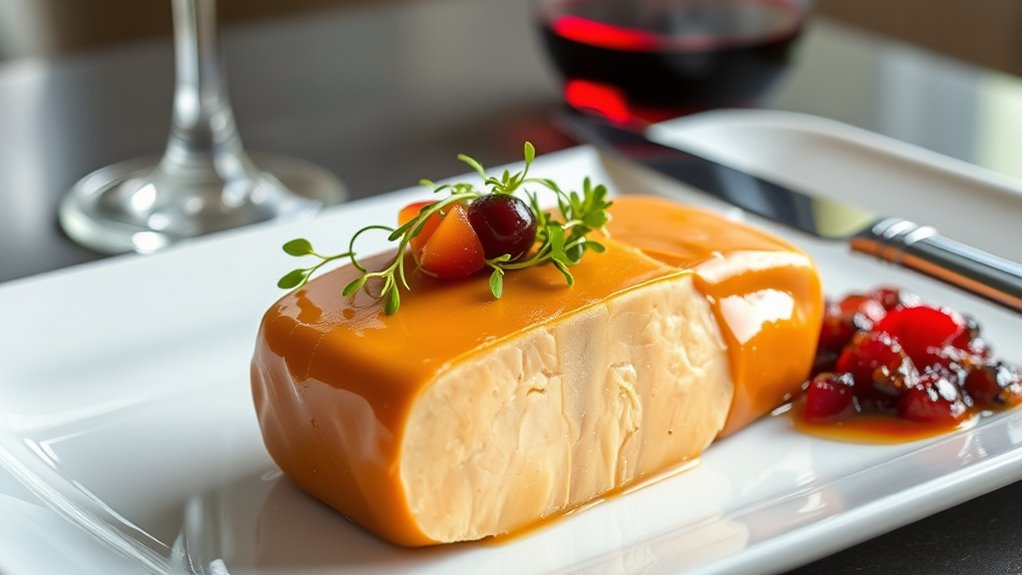

Foie gras comes mainly in whole lobes or pâté form, offering different textures and presentation options. Whole lobes are impressive on a plate, served chilled or at room temp, often with toast and garnishes. Pâté provides an easier spread, perfect for quick hors d’oeuvres. To enjoy it fully, pair with sweet fruits, tart berries, or tangy chutneys, and serve with contrasting elements like balsamic or fleur de sel. Keep exploring for more tips on selecting and serving this luxurious delicacy.

Get your wardrobe favorites delivered free with Prime
- Fast, free delivery on millions of items
- Prime Video, Amazon Music and more included
- Member-only deals all year
Key Takeaways
- Foie gras is available as whole lobes or processed pâté, each offering different presentation and serving options.
- Serve foie gras at room temperature with complementary elements like fruit compotes, tart berries, or toasted bread.
- Proper handling and gentle cooking, such as searing, enhance flavor while maintaining its delicate texture.
- Ethical sourcing and sustainable practices are important; consider producers following humane methods or plant-based alternatives.
- Presentation and pairings, including drizzles of balsamic or fleur de sel, elevate the tasting experience and showcase craftsmanship.
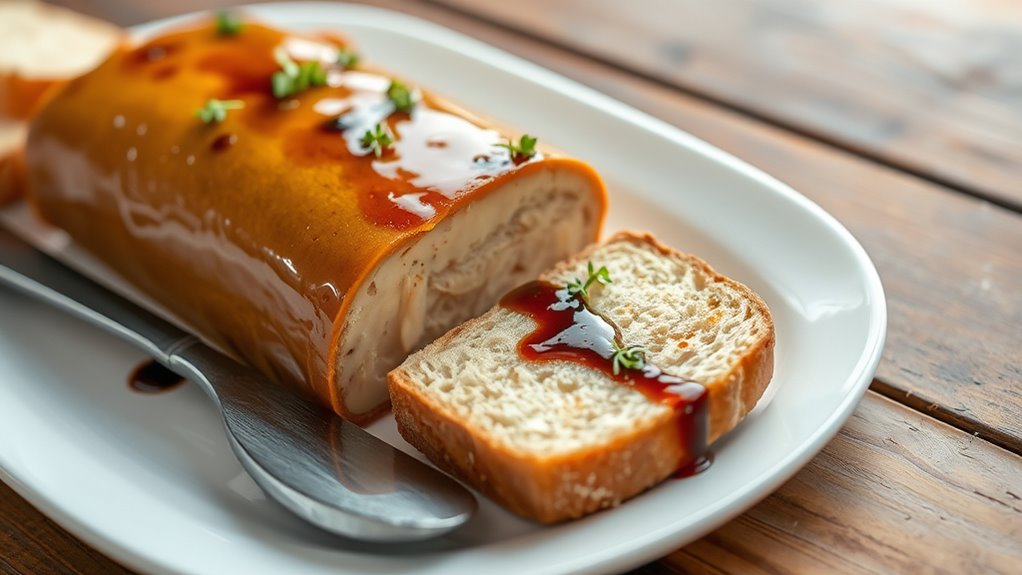
Have you ever wondered what makes foie gras so prized in gourmet cuisine? It’s not just its rich, buttery texture or its luxurious flavor profile that set it apart, but also the complex history and ethical considerations surrounding its production. As you explore the world of foie gras, it’s important to recognize that debates over animal welfare influence how it’s perceived and served. Many chefs and consumers grapple with these ethical concerns, leading some to seek out ethically sourced options or alternative preparations. Still, for those who choose to indulge, understanding proper culinary pairings enhances the experience. Foie gras’s richness pairs beautifully with contrasting elements like sweet fruit compotes, tart berries, or tangy chutneys, which balance its fatty nature and bring out its depth of flavor. Its versatility allows it to be served as a luxurious appetizer, a component of elegant pâtés, or even seared as a main course, showcasing its adaptability across different cuisines. Additionally, advancements in sustainable farming and humane practices are making it easier for conscientious diners to enjoy this delicacy responsibly.
When selecting foie gras, you’ll find it primarily in two forms: whole lobes or processed pâté. Whole lobes, often sold chilled or frozen, require careful handling, and their presentation makes for an impressive centerpiece. Pâté, on the other hand, offers a more accessible and spreadable option, ideal for quick serving or creating sophisticated hors d’oeuvres. Regardless of the form, proper storage is key to maintaining its quality. Keep it refrigerated and serve it at room temperature for ideal flavor and texture. Proper presentation also matters; a thin slice of toasted brioche or crusty baguette complements foie gras’s richness without overpowering it. A drizzle of fruity balsamic vinegar or a light sprinkle of fleur de sel can elevate the dish further, adding layers of flavor that enhance your tasting experience. To ensure quality, understanding the ethical sourcing and production practices behind foie gras can help you make more informed choices.
Cooking foie gras requires precision, especially if you’re searing it. When done correctly, it develops a beautifully caramelized exterior while remaining tender inside. Remember, less is more—overcooking can diminish its delicate qualities. For those concerned about ethical considerations, look for producers who adhere to humane practices or explore plant-based alternatives that mimic its flavor and texture. Ultimately, whether you’re enjoying foie gras in its traditional form or exploring more sustainable options, understanding its types and serving tips helps you appreciate the craftsmanship behind this delicacy. It invites you to savor each bite thoughtfully, appreciating not just the taste, but also the story, tradition, and ethical questions that accompany it.
As an affiliate, we earn on qualifying purchases.
Frequently Asked Questions
Is Foie Gras Suitable for All Dietary Restrictions?
Foie gras isn’t suitable for most dietary restrictions, especially if you’re vegetarian or vegan, since it’s made from duck or goose liver. It’s also not gluten-free, as some preparations may include gluten-containing ingredients. If you’re looking for vegetarian options or need gluten-free choices, it’s best to avoid foie gras and explore alternative delicacies that align with your dietary needs. Always check ingredient lists to be sure.
What Are the Best Wine Pairings for Foie Gras?
For wine pairing with foie gras, opt for sweet or semi-sweet wines like Sauternes, Tokaji, or a late-harvest Riesling. These choices enhance the dish’s rich, buttery flavors and create a beautiful balance of sweetness and acidity. The wine’s flavor enhancement elevates your tasting experience, highlighting the luxurious texture of foie gras. Serve the wine slightly chilled for the best harmony and a refined presentation.
How Long Does Foie Gras Last in the Refrigerator?
Think of your foie gras like a delicate flower; it needs gentle handling. You should consume it within 2 to 3 days of storage in the refrigerator to guarantee freshness. Proper storage duration is vital, and always watch for spoilage signs like a sour smell or slimy texture. If you notice any of these, it’s best to discard it to avoid foodborne illness.
Can Foie Gras Be Frozen Without Losing Quality?
Yes, you can freeze foie gras without losing much quality by using proper freezing methods. Wrap it tightly in plastic wrap or vacuum-seal it to prevent air exposure, which can cause freezer burn. Store it in an airtight container or freezer bag, and keep it at a consistent temperature. When you’re ready to enjoy it, thaw it slowly in the refrigerator to preserve its texture and flavor.
Are There Sustainable or Ethical Alternatives to Traditional Foie Gras?
You can choose sustainable options like plant-based alternatives or ethically farmed foie gras. Ethical farming practices focus on humane treatment and environmentally friendly methods, reducing animal suffering. Plant-based options, made from ingredients like mushrooms, lentils, or nuts, mimic traditional foie gras’s rich flavor without harm. By opting for these alternatives, you support animal welfare and sustainability while still enjoying a luxurious, delicious experience.
As an affiliate, we earn on qualifying purchases.
Conclusion
Now that you know the different types of foie gras and how to serve them, you’re ready to impress your guests with this luxurious delicacy. Did you know that foie gras has been enjoyed for over 4,000 years, making it one of the oldest gourmet foods? Whether you choose a terrine or seared slices, savor each bite and appreciate the rich history behind this indulgent treat. Elevate your culinary experience and enjoy foie gras responsibly.
As an affiliate, we earn on qualifying purchases.
As an affiliate, we earn on qualifying purchases.
Halloween Picks
halloween
As an affiliate, we earn on qualifying purchases.