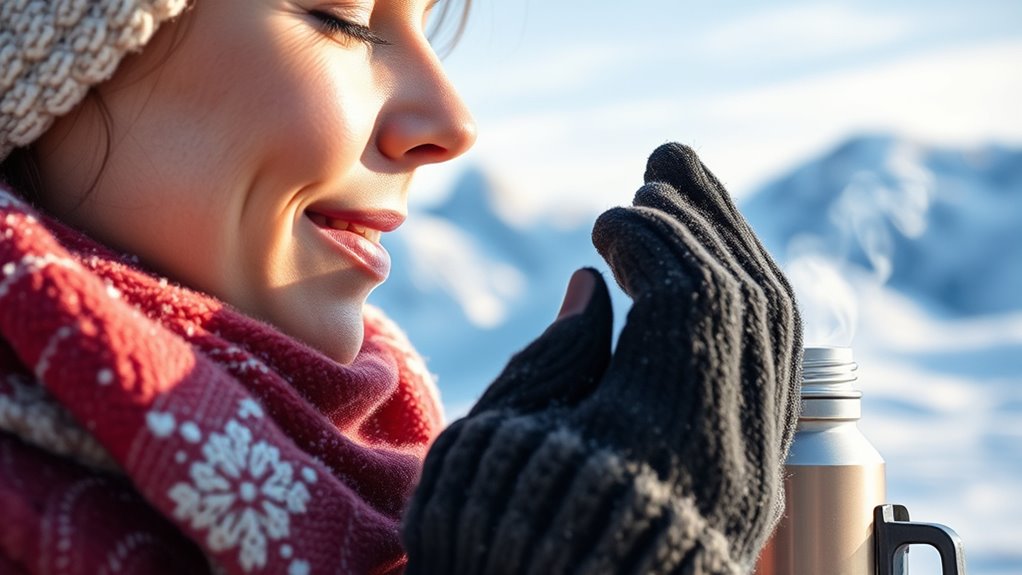

During winter travel, your skin faces dryness and sensitivity from dry cabin air and recycled air pollutants. To protect it, apply a rich moisturizer before boarding, keep a hydrating mist handy, and drink plenty of water. Avoid caffeine and alcohol that can dehydrate you. Post-flight, cleanse gently and use nourishing products to restore moisture. If you want to discover more tips to keep your skin healthy during frequent winter journeys, keep exploring ways to stay protected.
Key Takeaways
- Apply a rich moisturizer before flying to create a moisture barrier against dry cabin air.
- Use hydrating mist or water spray during the flight to maintain skin hydration levels.
- Drink plenty of water and avoid alcohol or caffeine to support skin’s moisture retention.
- Incorporate calming ingredients like aloe vera or chamomile into your skincare routine for sensitive skin.
- Post-flight, cleanse gently, hydrate with masks, and use nourishing moisturizers to restore skin health.

Traveling frequently during winter can take a toll on your skin, leaving it dry, dull, and more prone to irritation. When you’re on a plane, the environment isn’t exactly skin-friendly. The cabin air quality tends to be dry and low in humidity, which strips moisture from your skin and exacerbates existing dryness. To counter this, in-flight hydration becomes essential. Before you board, apply a rich moisturizer to create a barrier that locks in your skin’s natural moisture. During the flight, keep a small spray bottle of water or a hydrating mist handy, and spritz your face whenever you feel it drying out. Drinking plenty of water throughout the flight is equally important, as hydration from the inside supports your skin’s resilience against the dry cabin air. Avoid alcohol and caffeine, which can dehydrate you further, making your skin even more vulnerable.
Understanding cabin air quality can help you better prepare for your flight. The recycled air in planes often contains fewer beneficial humidity levels and can contain airborne irritants. This environment can cause your skin to become tight, itchy, and more sensitive to irritation. To minimize the effects, consider using a hydrating serum or facial oil under your moisturizer. These products help reinforce your skin’s barrier and provide an extra layer of protection against pollution and dryness. If you’re prone to redness or sensitivity, opt for calming ingredients like aloe vera or chamomile to soothe your skin during the flight. Additionally, aircraft cabin environment is a key factor that can influence your skin’s condition, so understanding it can help you better protect your skin.
Post-flight skincare is equally vital. Once you land, cleanse your face gently to remove any impurities accumulated during travel. Follow up with a nourishing moisturizer designed for dry skin, and if needed, apply a hydrating mask to replenish lost moisture. Keep in mind that the dry, recycled air doesn’t just affect your face; it can also dry out your lips and hands. Carry a good lip balm and hand cream to keep these areas moisturized. Remember, maintaining a consistent skincare routine, especially during winter travel, helps your skin recover faster and stay healthy despite the challenging environment. Ultimately, by paying attention to in-flight hydration and cabin air quality, you can protect your skin from winter’s harsh effects and arrive at your destination looking fresh and well-hydrated.

Clinique Moisture Surge Face Spray Thirsty Skin Relief | Hydrating Face Mist for Glowing + Soothed Skin | Preps + Refreshes, 1 Fl Oz
REFRESHING FACE MOISTURIZER SPRAY: Light, oil-free spray moisturizer instantly hydrates to soften and soothe your skin. Take it…
As an affiliate, we earn on qualifying purchases.
As an affiliate, we earn on qualifying purchases.
Frequently Asked Questions
How Can I Prevent Dry Lips During Winter Flights?
To prevent dry lips during winter flights, always carry a hydrating lip balm with SPF and reapply regularly. Drink plenty of water before and during your flight to stay hydrated. Use gentle hydration tips like avoiding licking your lips and avoiding harsh, drying products. Keep your lips protected from the dry cabin air by sealing in moisture with a nourishing balm, ensuring your lips stay soft and moisturized throughout your journey.
What Skincare Products Are Best for Cold Cabin Air?
Think of your skin as a sponge in an airplane’s dry, chilly air—what it needs are products packed with powerful moisturizing ingredients. Opt for a rich, hydrating moisturizer with hyaluronic acid or glycerin, which draws moisture in. Using a gentle, nourishing facial mist can also help combat the low airplane humidity. These products work together to keep your skin plump and comfortable amidst the cold cabin air.
How Can I Protect My Skin From Recycled Airplane Air?
To protect your skin from recycled airplane air, focus on maintaining your skin barrier and combating low airplane humidity. You should hydrate thoroughly before and during your flight, using a rich moisturizer to lock in moisture. Applying a hydrating facial mist can also boost hydration. Avoid alcohol and caffeine, which can dehydrate your skin further. These steps help keep your skin resilient despite the dry, recycled cabin air.
Is It Safe to Use Heavy Moisturizers on Sensitive Skin?
Think of your skin as a delicate garden, and heavy moisturizers as a shield. It’s generally safe to use them if they contain gentle moisturizer ingredients suited for sensitive skin. Look for products free from fragrances and harsh chemicals. Always patch-test first, and if you notice irritation, switch to lighter formulas. Heavy moisturizers can protect and nourish, but only if they’re appropriate for your skin sensitivity.
Should I Change My Skincare Routine Before Flying in Winter?
Yes, you should adjust your skincare routine before flying in winter. Focus on pre-flight hydration by applying a rich moisturizer and using travel-sized serums to boost moisture levels. Carry a hydrating mist to refresh your skin during the flight, and opt for gentle cleansers to avoid irritation. This way, you protect your skin from dry cabin air and keep it comfortable throughout your journey.
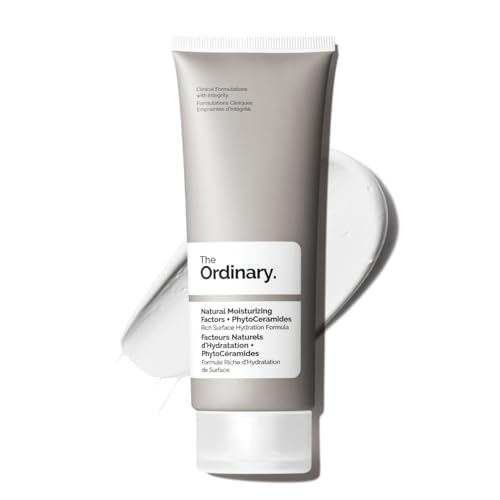
The Ordinary Natural Moisturizing Factors + PhytoCeramides, Rich Moisturizer for Dry Skin & Barrier Strength, 3.4 Fl Oz
MOST NOURISHING MOISTURIZER: Natural Moisturizing Factors + PhytoCeramides delivers rich hydration with nearly four times more emollients than…
As an affiliate, we earn on qualifying purchases.
As an affiliate, we earn on qualifying purchases.
Conclusion
As a frequent flyer, your skin faces a relentless battle against winter’s harsh elements. Remember, your skincare routine is your shield—keep it strong and consistent. Think of your skin as a delicate garden; neglect it, and it withers. Stay hydrated, moisturize often, and protect your skin from the cold. With a little effort, you’ll keep your skin glowing brighter than the winter sun, no matter how many miles you log.

Aloderma Aloe Vera Gel Made within 12 Hours of Harvest with 99% Pure Organic Aloe Vera, Naturally Hydrating for Soothing Skincare, Moisturizing Aloe Gel for Skin, Face, Sensitive Skin – 4.02oz
Made Within 12 Hours of Harvest: At Aloderma, our skincare is rooted in the earth. Our Aloe is…
As an affiliate, we earn on qualifying purchases.
As an affiliate, we earn on qualifying purchases.

Aquaphor Lip Repair Ointment, Moisturizing Lip Balm Pack, Relieves Dryness, 0.35 Tube, Pack of 2
Dermatologist Recommended: Aquaphor is the #1 dermatologist recommended lip care brand
As an affiliate, we earn on qualifying purchases.
As an affiliate, we earn on qualifying purchases.