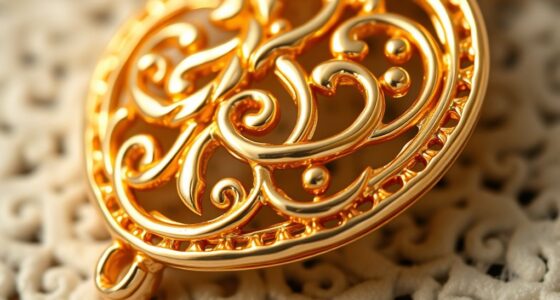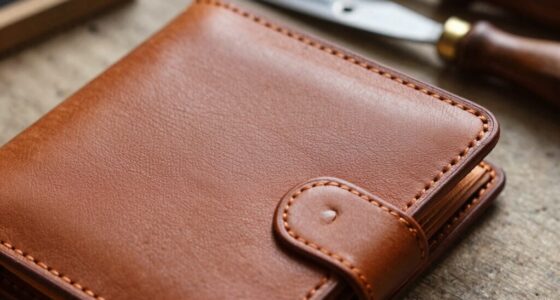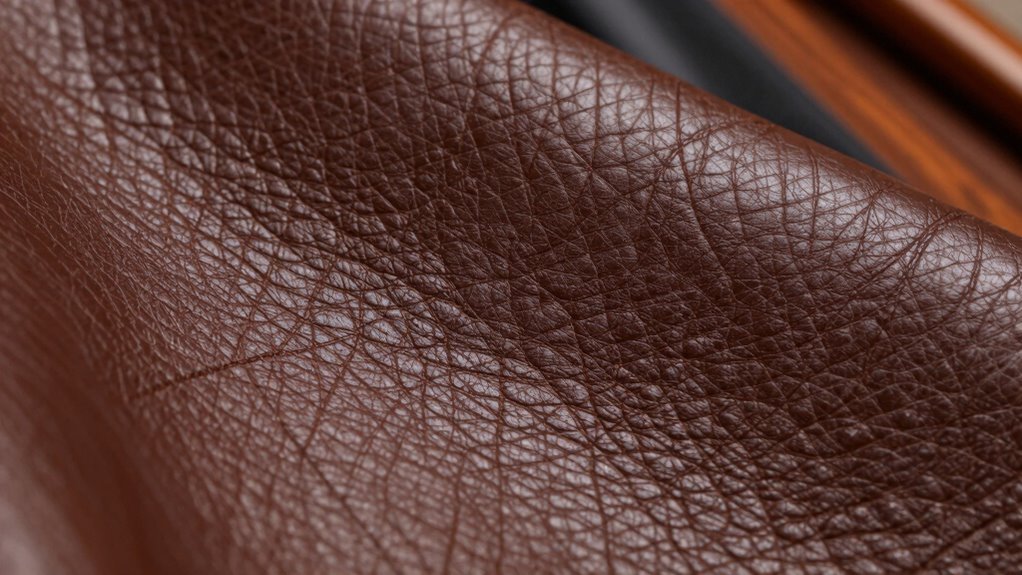

To assess texture and grain like a luxury buyer, carefully examine the fabric’s surface for uniformity and finish. Feel its texture—luxury fabrics are smooth, refined, and consistent when you run your hand over them. Look at the fiber alignment; high-quality materials have stable, even grain. Notice any imperfections or irregularities, which signal lower quality. By paying close attention to these details, you’ll better distinguish authentic luxury textiles. Continue exploring to master these important cues.
Listen free for 30 days with Audible
Thousands of audiobooks and originals — cancel anytime.
As an affiliate, we earn on qualifying purchases.
Key Takeaways
- Examine the fabric’s surface for uniformity, minimal imperfections, and a polished finish indicating high craftsmanship.
- Feel the texture to assess smoothness, refinement, and the absence of irregularities common in lower-quality textiles.
- Observe fiber alignment and grain consistency by gently stretching or pressing the fabric to evaluate stability and durability.
- Identify surface finishes such as satin or matte to gauge the fabric’s luxury level and intended aesthetic.
- Compare natural fibers’ smoothness and depth against synthetic blends to determine authenticity and quality.
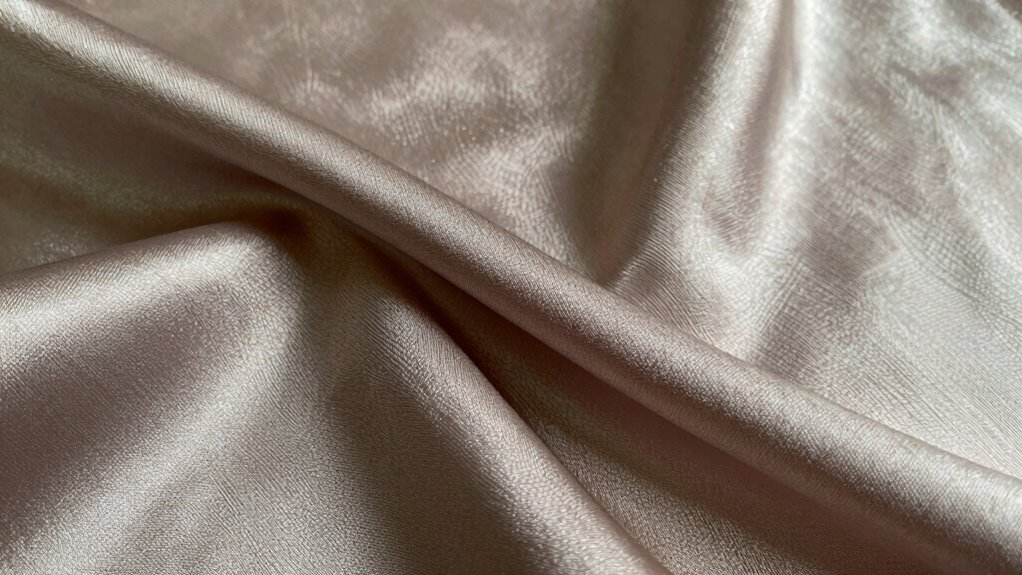
Understanding how to read texture and grain is essential for making informed decisions in woodworking, fabric selection, and other crafts. When it comes to luxury fabrics, this skill helps you discern quality and authenticity. The fabric composition plays a vital role in how a fabric feels, drapes, and lasts over time. For example, natural fibers like silk, wool, or linen tend to have a smoother, more refined surface finish, which signals a higher-quality textile. Synthetic blends might mimic these qualities but often lack the same depth in texture and grain, making it important to examine the fabric closely.
Pay attention to the surface finish of a fabric, as it reveals how the material was processed and can indicate its durability and luxury level. A high-end fabric often has a clean, uniform surface with minimal imperfections, showcasing meticulous craftsmanship. When you run your hand across the material, you should notice a consistent texture—smooth yet rich, with a slight sheen or matte quality depending on the intended look. The surface finish can also tell you if the fabric has been treated or coated, which might affect both its appearance and longevity. For instance, a satin finish indicates a smoother, shinier surface, ideal for elegant garments or decor, whereas a matte finish suggests a more subdued, natural feel.
A high-end fabric features a smooth, uniform surface with minimal imperfections, showcasing craftsmanship and refined finishing.
In addition to surface finish, studying the grain of the fabric can provide insights into its quality. Grain refers to the orientation of fibers within the material. A well-constructed fabric will have fibers aligned consistently, which contributes to its strength and how it drapes. You can test this by gently stretching or pressing the fabric—luxury textiles maintain their integrity and don’t easily distort, revealing their stable grain structure. When examining grain, look for uniformity; irregularities or unevenness could point to lower quality or poor manufacturing processes. Recognizing fiber alignment is crucial because it directly impacts the fabric’s durability and aesthetic appeal. Additionally, understanding how fiber orientation influences the fabric’s behavior can help you select textiles that age gracefully and maintain their appearance over time. Incorporating knowledge of fabric construction can further aid in evaluating the overall craftsmanship and quality of the material.
As a luxury buyer, your goal is to read these subtle cues—fabric composition, surface finish, and grain—to determine the value of a fabric. Feel it, observe its appearance, and consider how it responds to manipulation. High-quality textiles often exhibit a combination of rich texture, a refined surface finish, and a stable grain. Mastering this skill allows you to select pieces that not only look stunning but also stand the test of time, embodying the craftsmanship and luxury you seek.
As an affiliate, we earn on qualifying purchases.
Frequently Asked Questions
Which Textures Are Most Popular in Luxury Fashion?
You’ll notice that smooth, glossy textures like silk and satin are top choices in luxury fashion, emphasizing elegance. Rich fabric patterns such as brocade and jacquard add opulence, while intricate surface finishes like matte or metallic details create depth. These textures convey quality and exclusivity, helping you identify high-end pieces. Focus on how the fabric feels and the visual patterns to distinguish luxury items from ordinary ones.
How Does Grain Affect the Durability of Materials?
Grain variation directly impacts the durability of materials. When the grain is tight and consistent, it usually means better material longevity because fibers are aligned, reducing fraying and tearing. Conversely, irregular or loose grain can weaken the material, making it more susceptible to damage over time. As a luxury buyer, you recognize that high-quality materials often feature refined grain patterns that enhance both aesthetics and lifespan.
Can Texture and Grain Indicate a Product’s Authenticity?
Texture and grain can reveal authenticity markers that distinguish genuine products from fakes. Authentic materials often display natural variations in grain, showcasing unique patterns and subtle imperfections, unlike synthetic or counterfeit items that look overly uniform. By examining these material variations, you can identify genuine craftsmanship. Think of it as feeling the story of the material—its authenticity becomes evident through the subtle cues in texture and grain.
Are There Regional Differences in Texture Preferences?
Yes, regional craftsmanship and cultural influences shape texture preferences. You’ll notice that luxury buyers often favor textures reflecting local traditions, like intricate carvings in Asian products or smooth, refined finishes in European goods. These regional differences highlight authenticity and craftsmanship, helping you identify genuine luxury items. By understanding cultural influences, you can better assess quality and appreciate how regional tastes influence texture choices in high-end products.
How Should I Care for Textured or Grained Luxury Items?
Did you know textured and grained luxury items are often more durable? To keep them looking their best, follow simple care tips and maintenance routines. Avoid excessive moisture and direct sunlight, as they can damage the material. Regularly clean with a soft cloth, using gentle cleaners suitable for the material. Store your items properly, avoiding pressure on the grain. This guarantees your luxury pieces stay stunning and last for years.
As an affiliate, we earn on qualifying purchases.
Conclusion
By mastering how to read texture and grain, you gain a deeper connection to luxury pieces, understanding their true quality beyond surface appearances. Trust your instincts—sometimes, the subtle imperfections tell a richer story than flawless finishes. Remember, true luxury isn’t just about perfection; it’s about appreciating the character and history woven into each detail. When you listen to these signs, you’re not just buying; you’re truly experiencing craftsmanship at its finest.
As an affiliate, we earn on qualifying purchases.
As an affiliate, we earn on qualifying purchases.
NFL season / tailgating Picks
team gear
As an affiliate, we earn on qualifying purchases.