When choosing a leather-bound journal, consider the paper weight to avoid bleed-through. Thicker paper, usually 80-120 gsm, offers better durability and minimizes ink seepage, especially if you use fountain pens or heavy inks. Lighter paper, around 60 gsm, is more prone to ghosting and bleed-through, making your writing less neat. Knowing the right balance helps preserve your pages and improve your journaling experience—if you keep exploring, you’ll discover how to select the perfect paper for your style.
Key Takeaways
- Thicker paper (80-120 gsm) in leather-bound journals reduces ink bleed-through and enhances durability.
- Lighter paper (around 60 gsm) is more prone to bleed-through, especially with wet or dense inks.
- High-quality, specially coated paper helps prevent bleed-through and preserves the journal’s aesthetic over time.
- Selecting the appropriate paper weight is essential for compatibility with various writing tools like fountain pens.
- Proper paper choice ensures the longevity and legibility of handwritten content in leather-bound journals.

Have you ever wondered why leather-bound journals have remained a timeless favorite? It’s not just their classic appearance that draws you in, but also the luxury craftsmanship behind each one. These journals embody a tradition of meticulous artistry, combining rich leather covers with high-quality paper that’s designed to last a lifetime. This craftsmanship isn’t merely about aesthetics; it’s about creating a meaningful connection to history. Leather-bound journals have long held a place of significance in documenting personal stories, historical events, and philosophical ideas. Their enduring appeal stems from a blend of practicality and cultural weight, making them more than just notebooks—they’re treasures that carry a sense of legacy.
Leather-bound journals combine timeless elegance with craftsmanship, making each one a treasured vessel for stories and history.
When it comes to paper weights in leather-bound journals, you’ll find a broad spectrum designed to suit different needs. Thicker paper, usually around 80 to 120 gsm, offers a sturdy feel and reduces the chances of ink bleed-through—an essential feature if you prefer using fountain pens or markers. Lighter papers, around 60 gsm, are more common for everyday writing, but they tend to be more prone to bleed-through, especially with wetter inks. Choosing the right paper weight depends on your writing style and the type of ink you favor. Higher-quality paper not only minimizes bleed-through but also enhances the tactile experience of writing, making each stroke more satisfying. Keep in mind that premium journals often feature paper designed specifically to withstand various inks without compromise. Additionally, understanding the relationship between paper weight and bleed-through can help you select the most suitable journal for your preferred writing tools and techniques.
Bleed-through is a common concern with paper in journals, particularly when using denser inks or wetter pens. It occurs when ink penetrates through the paper, creating ghost images on the other side. If you’re particular about neatness and preservation of your pages, it’s *vital* to select a journal with suitable paper weight and quality. Some leather-bound journals employ specialized coatings or treatments to prevent bleed-through, ensuring your writing remains clear and legible on both sides. It’s worth considering how you plan to use your journal—whether for sketches, calligraphy, or dense writing—so you can choose an option that offers *ideal* performance without sacrificing the elegance of the leather cover.
Ultimately, understanding paper weights and bleed-through helps you make informed choices about your leather-bound journal. These factors influence not only the look and feel of your pages but also the longevity and usability of your writing. When you invest in a journal crafted with luxury craftsmanship and thoughtful attention to detail, you’re embracing a tradition that values quality and durability. Your journal becomes more than a simple notebook; it’s a vessel for your thoughts, a keepsake infused with history and care. By selecting the right paper, you *guarantee* your writings will be preserved beautifully, allowing your stories and ideas to stand the test of time—just like the leather covers that protect them. Recognizing the significance of paper quality can elevate your journaling experience and ensure your legacy endures.
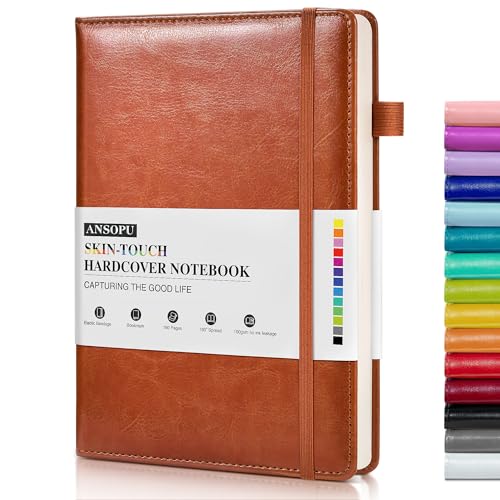
Ansopu Lined Journal Notebook for Writing, A5 100 GSM Thick Paper, Leather Hardcover Journal for Woman Men, Travel Journal Diary 160 Pages(5.75'' X 8.38''Brown)
【100GSM Lined Paper Notebook】A5 Ruled Journal with 100gsm paper, thicker than normal paper, will not cause bleeding, ghosting…
As an affiliate, we earn on qualifying purchases.
As an affiliate, we earn on qualifying purchases.
Frequently Asked Questions
How Do Paper Weights Affect Journal Durability?
Paper weights directly impact your journal’s durability by influencing ink absorption and paper texture. Heavier paper resists bleed-through, keeping your writing clear and neat, which preserves the journal’s look over time. Thicker, textured paper also withstands frequent use better, reducing tears and wear. So, choosing the right paper weight guarantees your journal remains durable, with ink staying crisp, and the pages holding up through constant use.
Are Thicker Papers More Eco-Friendly?
Thicker papers can be more eco-friendly if made from recycled materials, reducing waste and conserving resources. Look for journals that use eco-conscious manufacturing processes, which minimize environmental impact. While thicker paper often lasts longer, it’s essential to check if it’s produced sustainably. By choosing journals with recycled content and eco-friendly processes, you support environmental preservation while enjoying durable, high-quality paper in your leather-bound journal.
Can Bleed-Through Be Completely Eliminated?
Bleed-through can’t be completely eliminated, but you can reduce it considerably. To do this, choose paper with low ink absorption and minimal page transparency. Thicker papers or those designed for ink-heavy use help prevent ink from seeping through to the other side. Using high-quality, acid-free paper also minimizes bleed-through, so your journal stays neat and readable without ghosting or smudging.
What Types of Ink Are Best for Leather-Bound Journals?
You should choose inks with low absorption to prevent bleed-through and maintain clarity. Gel inks, pigment-based inks, and archival ink tend to work best because they stay vibrant and don’t seep through the pages easily. These inks provide excellent color vibrancy without compromising the quality of your writing or causing smudges. Always test a small area first to guarantee the ink works well with your leather-bound journal’s paper type.
How Should I Store My Journal to Prevent Damage?
To prevent damage, store your leather-bound journal in a cool, dry place away from direct sunlight. Use storage solutions like acid-free boxes or wrapping it in a soft cloth to protect its leather cover. Follow preservation techniques such as avoiding high humidity and extreme temperatures, and keep it upright on a shelf. Regularly check for signs of wear or mold, and handle it with clean hands to guarantee it stays in great condition.

le vent Set of 2 Lined Bound Notebooks A5 – Each 200 Lay Flat Pages – 5×8 Hardcover Journal Refills – Fountain Pen Friendly 100 gsm Paper – 100% Recycled Notebook
ONE SET INCLUDES: 2 high-quality A5 hardcover notebooks, for the great experience of writing, note taking and work…
As an affiliate, we earn on qualifying purchases.
As an affiliate, we earn on qualifying purchases.
Conclusion
Your leather-bound journal isn’t just a weight on your desk; it’s a vessel of stories, dreams, and secrets. Like a sturdy ship anchoring your thoughts, its cover shields your ideas from the storms of bleed-through and paper weights. Each page turned is a voyage into your inner world, where ink and paper become symbols of your journey. Keep writing, and let this journal be the anchor that keeps your imagination afloat through every tide.
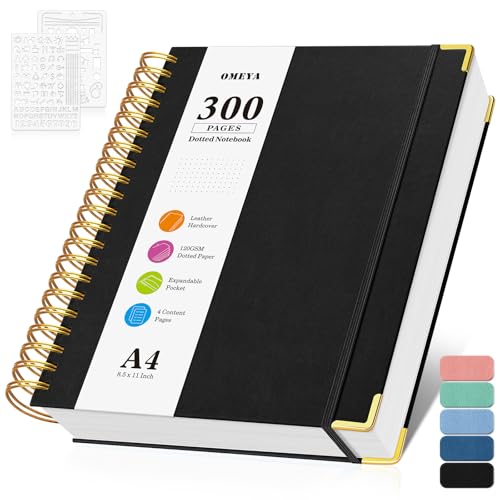
Bullet Dotted Journal Spiral Notebook, 300 Pages Leather Notebooks with Contens, 120 GSM Thick No Bleed Through Paper Journals, A4 Large Dot Grid Notebook for Women Men Work Writing, 8.5" x 11", Black
【300 Pages Notebook with 4 Contents】Thick Dotted journal features a total of 304 pages, with 300 pages(150 sheets)…
As an affiliate, we earn on qualifying purchases.
As an affiliate, we earn on qualifying purchases.
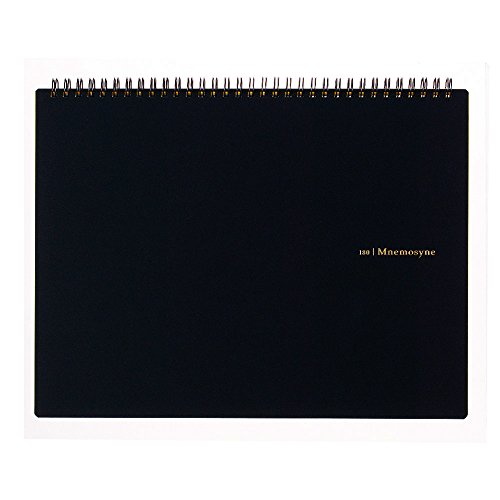
Maruman Mnemosyne Grid Notebook- Horizontal A4 Layout, 8.27" x 11.69", 70 Sheets / 140 Pages, 5mm Graph Paper Journal, Perforated Pages & Wire-Bound to Lay Flat, Black, Made in Japan
[PREMIUM JAPANESE PAPER] Features 70 sheets (140 pages) of ultra smooth, acid-free 80 g/m² paper resist ink bleed-through-…
As an affiliate, we earn on qualifying purchases.
As an affiliate, we earn on qualifying purchases.