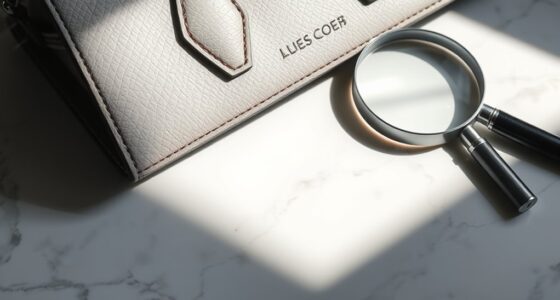
To buy and sell designer goods safely during the luxury resale boom, always verify authenticity through trusted sources and expert services. When selling, provide original receipts, authenticity cards, and clear photos to build buyer trust. Price items fairly by researching current market trends, considering condition and rarity, and adjusting accordingly. Use negotiation tactics to secure better deals, and avoid over- or underpricing. Continuing will help you master more tips for confidently steering the luxury resale market.
Key Takeaways
- Verify authenticity using trusted sources, certification, or professional authentication services before buying or selling.
- Provide original receipts, authenticity cards, and detailed photos to prove legitimacy when selling designer goods.
- Conduct market research to set fair prices based on condition, rarity, and demand, ensuring competitive and realistic pricing.
- Use informed negotiation tactics by leveraging market knowledge to secure better deals in resale transactions.
- Balance pricing carefully to avoid overpricing or undervaluing items, maximizing safety and return in a booming resale market.
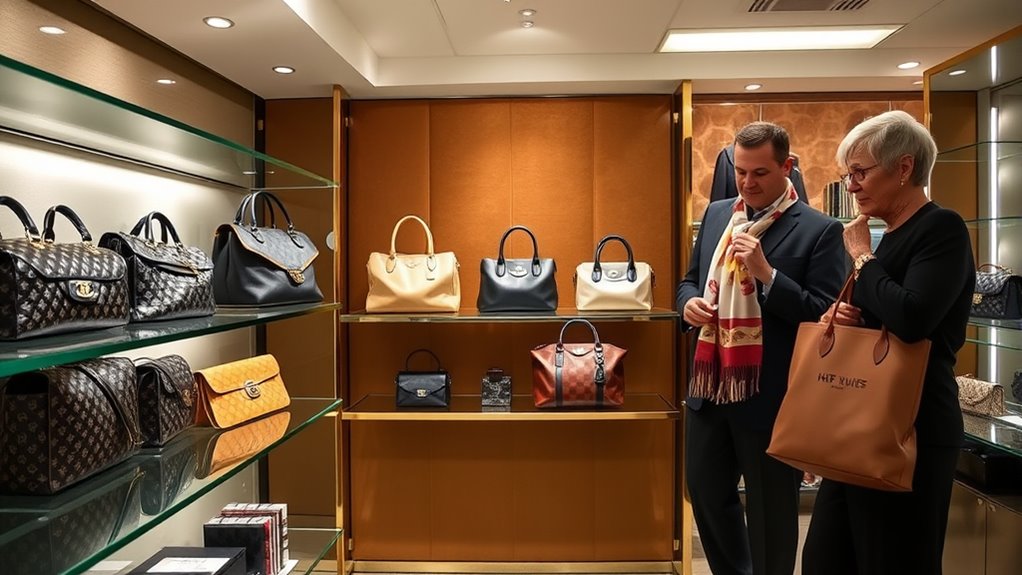
Buying and selling luxury items can be highly rewarding, but it also requires careful strategy to maximize value and avoid pitfalls. One of the most critical steps in guaranteeing a successful transaction is authenticating the items you deal with. Authenticity verification isn’t just a matter of trust; it’s essential to protect yourself from counterfeit products that can be difficult to spot at first glance. When buying, always seek trusted sources, such as authorized boutiques or reputable resale platforms that provide certification or guarantees of authenticity. If you’re purchasing from individual sellers or less-known marketplaces, consider consulting experts or using professional authentication services. These steps help you avoid costly mistakes and guarantee that your investment is genuine. Ensuring the Authenticity verification process is thorough can significantly reduce the risk of counterfeit purchases and protect your financial investment.
On the selling side, authenticity verification remains just as important. When listing your items, provide proof of authenticity, such as original receipts, authenticity cards, or detailed photos that highlight unique identifiers like serial numbers or craftsmanship details. This builds buyer confidence and can lead to quicker sales at better prices. Confirming authenticity before listing also helps you avoid disputes or returns that can damage your reputation or lead to financial loss.
Pricing strategies are equally essential in the luxury resale market. To get the best value, you need to understand the current market trends and what similar items are selling for. Research recent sales of similar items, considering factors like condition, rarity, and demand. Setting a fair, competitive price encourages quick sales and prevents your item from remaining unsold, which can depreciate its value over time. If you’re uncertain about pricing, consider consulting price guides or reaching out to resale experts who can provide insights based on market fluctuations.
When buying, leverage pricing strategies to negotiate better deals. Don’t accept the first price; instead, use your research to make informed offers, showing sellers that you’re knowledgeable about current market values. This approach can lead to significant savings, especially on high-ticket items. Likewise, for sellers, pricing your items too high can scare off potential buyers, while pricing too low might undervalue your goods. Striking the right balance—based on thorough research and understanding of the market—maximizes your returns.
Top picks for "luxury resale boom"
Open Amazon search results for this keyword.
As an affiliate, we earn on qualifying purchases.
Frequently Asked Questions
How Can I Verify the Authenticity of Designer Items?
To verify the authenticity of designer items, you should use reliable authentication methods like inspecting logos, stitching, and hardware closely. Compare the item with official images or documentation from the brand. Consider professional counterfeit detection services or seek advice from trusted resellers. Always buy from reputable sources, and avoid deals that seem too good to be true. These steps help guarantee your purchase is genuine and protect you from counterfeit detection issues.
What Are the Best Platforms for Selling Luxury Goods?
You should consider using trusted platforms like The RealReal, Vestiaire Collective, or Fashionphile for selling luxury goods. These sites specialize in luxury consignment and offer authentication tips to make certain your items are genuine. Always check seller reviews, verify their authentication procedures, and use secure payment options. Listing on reputable platforms not only boosts your chances of a quick sale but also helps you sell safely and confidently.
How Do I Determine the True Value of a Pre-Owned Item?
To determine the true value of a pre-owned item, start by researching vintage trends and see how similar pieces are priced in the market. Check reputable resale platforms for market valuation and recent sales data. Consider the item’s condition, rarity, and brand reputation. You can also consult professional appraisers or authentication services for an accurate assessment. This way, you guarantee you’re pricing your item fairly and confidently.
Are There Risks Involved in Buying From Private Sellers?
Diving into private sales is like steering through a river of potential pitfalls. You risk counterfeit risks if seller credibility isn’t clear, turning a treasure hunt into a gamble. Always verify seller credentials, ask for authenticity certificates, and scrutinize photos closely. Trust your instincts and do your homework—these steps help you avoid scams and guarantee your purchase flows smoothly, turning a risky venture into a rewarding find.
What Legal Considerations Should I Be Aware of When Reselling?
When reselling designer goods, you should be aware of contract laws that govern your transactions, ensuring all agreements are clear and legally binding. Additionally, import regulations can impact cross-border sales, so you need to comply with customs laws and pay applicable duties. Failing to adhere to these legal considerations could lead to fines or legal disputes. Always consult a legal expert to navigate the complexities of resale laws and regulations effectively.
Conclusion
Venturing the world of luxury resale is like sailing a vast, shimmering ocean—exciting but fraught with hidden reefs. By staying vigilant and armed with these tips, you’ll steer clear of choppy waters and find treasures that feel like buried gold. Trust your instincts, verify authenticity, and choose reputable platforms. With a steady hand and a keen eye, you’ll turn your buying and selling journey into a sparkling adventure—one where luxury becomes a lifelong treasure chest.