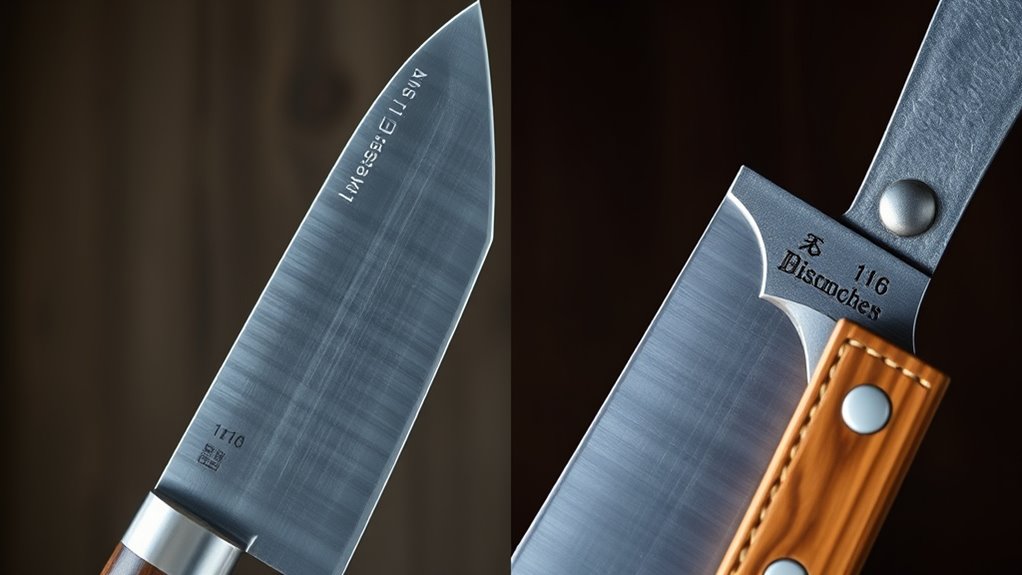

Japanese knives feature thinner, sharper blades with a pointed, curved shape designed for precision and finesse, often made from high-carbon steel that holds an edge longer. Western knives tend to be sturdier, with broader blades and stainless steel for durability. Japanese techniques favor light push or pull cuts, while Western methods involve rocking motions. Handle styles and aesthetics also differ, reflecting unique cultural influences. Explore further to discover how these differences impact performance and craftsmanship.
Key Takeaways
- Japanese knives typically feature thinner, sharper blades with a pointed, curved design for precision cutting, while Western knives are usually thicker and more robust.
- Japanese knives often use high-carbon steels for superior edge retention, whereas Western knives commonly employ stainless steels favoring durability and ease of maintenance.
- Japanese cutting techniques emphasize delicate push or pull motions, contrasting with Western rocking methods suited for chopping and dicing.
- Handle designs differ: Japanese knives tend to have minimalist, ergonomic handles, while Western knives often feature larger, more decorative handles for comfort and control.
- Japanese knives embody traditional aesthetics with simple elegance, whereas Western knives may include bold, ornamental designs reflecting their cultural influences.

HOSHANHO Kitchen Knife in Japanese High Carbon Steel, Professional High-Class Chef's Knife 8 inch, Non-slip Ultra Sharp Cooking Knives with Ergonomic Handle
【High-End Japanese Steel Chef's Knife】 HOSHANHO chef's knife is made of Japanese high carbon steel 10Cr15CoMoV, 2x of…
As an affiliate, we earn on qualifying purchases.
As an affiliate, we earn on qualifying purchases.
Blade Design and Shape
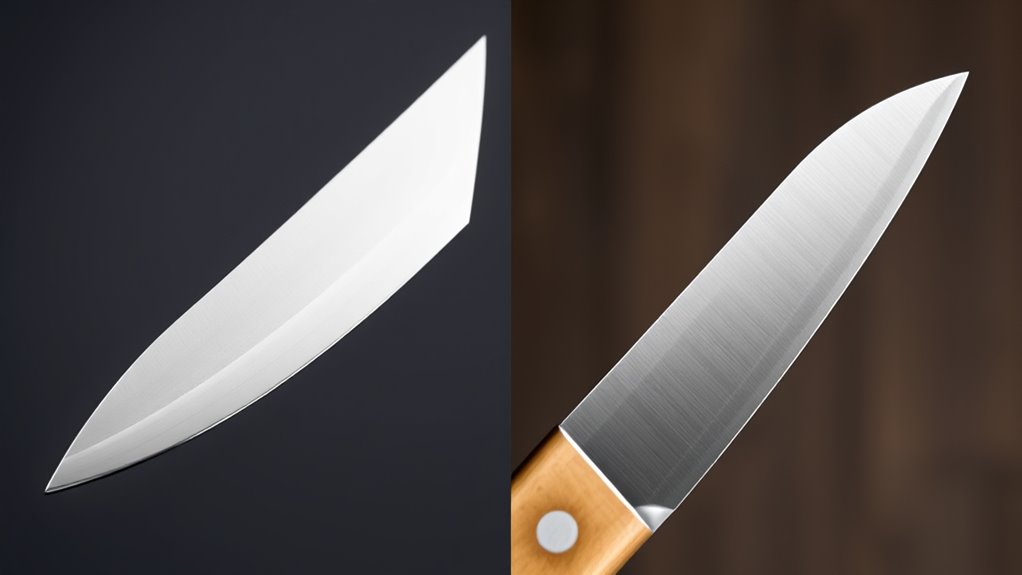
Japanese knives typically feature a thinner, more pointed blade with a slight curve, which allows for precise, delicate cuts. The blade curvature is gentle, enabling you to rock the knife smoothly against the cutting surface for fine mincing or slicing. The tip design is often tapered and sharp, giving you better control when working with delicate ingredients or intricate cuts. This pointed tip allows you to maneuver easily around small or irregularly shaped items, making it ideal for detailed work. The overall shape emphasizes precision and finesse, helping you achieve cleaner, more refined results. In contrast to Western knives, Japanese blades prioritize agility and accuracy through their specific blade curvature and tip design, making them perfect for precise culinary tasks. Additionally, the innovative design of Japanese knives supports energy-efficient craftsmanship, aligning with sustainable culinary practices. This focus on blade geometry also contributes to their reputation for superior cutting performance and ease of handling. The craftsmanship behind Japanese knives often involves traditional techniques that enhance their sharpness and durability, further emphasizing their focus on performance and quality. Moreover, Japanese knife manufacturers frequently incorporate artisan techniques that ensure each blade’s exceptional sharpness and longevity, catering to professional chefs and enthusiasts alike.
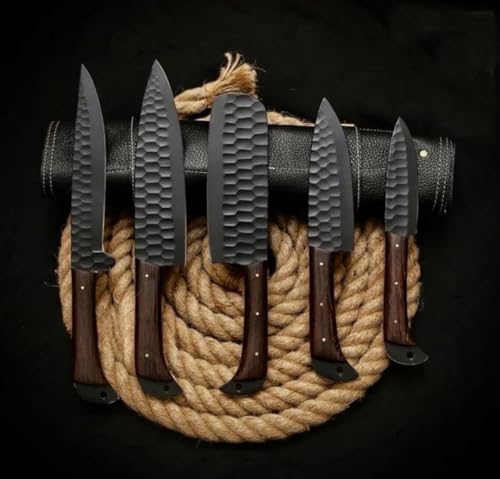
Viking Handmade Damascus Steel Chef Knife Set – 5pcs With Sheath – Kitchen Gadgets – Men's Valentine's Day Gift
🔪 Superior Stainless Steel Blades: Each knife in this set is expertly crafted from premium stainless steel, delivering…
As an affiliate, we earn on qualifying purchases.
As an affiliate, we earn on qualifying purchases.
Material Composition and Edge Retention

The materials used in your knife directly impact its edge retention and overall durability. Harder steels tend to hold an edge longer but may be more prone to chipping and require frequent sharpening. Understanding these material differences helps you choose a knife that matches your cutting needs and maintenance preferences. Additionally, steel quality in the steel can influence how well the knife performs in different cutting environments, especially when precision is essential. For example, material composition can determine how resistant a knife is to corrosion or wear over time, which is particularly important for professional chefs or avid cooks. Moreover, selecting the appropriate steel hardness can optimize performance for specific culinary tasks, balancing sharpness and toughness. Recognizing manufacturing techniques can also provide insight into the overall quality and performance of the knife.
Blade Material Composition
Blade material composition directly impacts a knife’s durability and edge retention, making it a crucial factor when choosing between Japanese and Western styles. Your choice depends on understanding the steel purity and alloy composition used. Higher steel purity typically offers a cleaner, sharper edge, while specific alloy blends enhance flexibility or corrosion resistance. Here are key points to contemplate:
- Steel Purity – Pure steels provide sharper edges but may be softer.
- Alloy Composition – Different alloys balance hardness, flexibility, and corrosion resistance.
- Japanese Knives – Often use high-carbon steels like VG10 or Blue Steel for sharpness.
- Western Knives – Frequently incorporate stainless steels such as 440C or 154CM for durability and rust resistance.
Choosing the right blade material depends on your cutting needs and maintenance preferences.
Hardness and Durability
While blade material composition influences a knife’s overall performance, hardness and durability determine how well it maintains its edge over time. Japanese knives often feature high-carbon steels resulting from traditional manufacturing processes, which enhance hardness and edge retention. This increased hardness improves durability, allowing the blade to hold a sharp edge longer. In contrast, Western knives tend to use softer steels, which may be more resistant to chipping but require more frequent sharpening. Blade aesthetics also play a role; Japanese knives often have a sleek, polished appearance that reflects meticulous craftsmanship, highlighting their durability. Ultimately, the manufacturing process impacts both hardness and durability, influencing how your knife performs during heavy use and how long it stays sharp.
Edge Sharpening Needs
Because of their high-carbon steel composition, Japanese knives typically require less frequent sharpening and retain their edges longer than Western counterparts. You’ll notice that their sharpening frequency is lower, saving you time and effort. To maintain their sharpness, honing methods like ceramic rods or leather strops are highly effective and gentle on the blade. Western knives, made from softer steel, tend to need more frequent sharpening to keep a fine edge. Here are key points to contemplate:
- Japanese knives hold their edge longer due to superior steel hardness.
- They often require less aggressive honing methods.
- Western knives need more frequent sharpening for ideal performance.
- Proper honing extends the lifespan of both knife types.
Choosing the right honing method and understanding sharpening needs ensures your knives stay sharp longer.

Rondauno Sashimi Knife Yanagiba Sushi Knife 10 inch Japanese High Carbon Stainless Steel for Precision Fish Slicing and Filleting with Ergonomic Wooden Handle
First Quality Steel: Our sashimi knives are made from high carbon Japanese stainless steel, offering excellent corrosion resistance…
As an affiliate, we earn on qualifying purchases.
As an affiliate, we earn on qualifying purchases.
Cutting Techniques and Uses
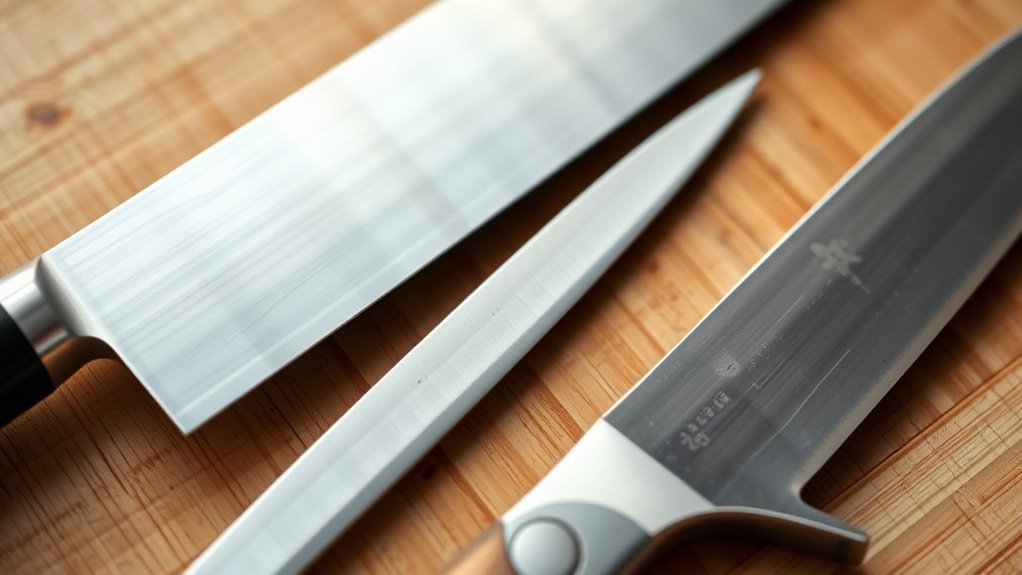
Japanese and Western knives each have distinct cutting techniques suited to their design and purpose. With Japanese techniques, you often use a light, precise push or pull motion, emphasizing finesse and control, ideal for delicate tasks like slicing sashimi or vegetables. These methods help maintain clean cuts and preserve textures. Western methods, on the other hand, typically involve a rocking motion, especially with chef’s knives, making them suitable for chopping, dicing, and heavy-duty tasks. You may also use a slicing motion to maximize efficiency for larger cuts. Understanding these differences allows you to choose the right technique for your knife type, ensuring best performance and safety in the kitchen. Mastering both Japanese techniques and Western methods will elevate your cooking versatility. Additionally, practicing proper cutting techniques can help prevent accidents and improve your overall efficiency.

BNAZIND 8" Handmade Damascus Bull Cutter Knife with Pancake Sheath – Western Cowboy knife for Hunting, Skinning, Camping, and outdoor activities
MEASUREMENTS: Handmade Bull Cutter Knife with Leather Sheath is a perfect tool that is ideal for hunting, camping,…
As an affiliate, we earn on qualifying purchases.
As an affiliate, we earn on qualifying purchases.
Handle Styles and Ergonomics

Handle styles and ergonomics considerably influence how comfortable and precise your cutting experience becomes. Your grip, control, and fatigue depend heavily on the handle’s design. Here are key points to take into account:
Choosing the right handle style enhances comfort, control, and safety during cutting tasks.
- Ergonomic grip: Look for handles shaped to fit your hand comfortably, reducing strain during extended use. An ergonomic grip can help prevent repetitive strain injuries and improve overall efficiency.
- Handle materials: Choose from wood, plastic, or composite materials, each offering different grip textures and durability.
- Handle shape: Western knives typically have full, rounded handles for a secure grip, while Japanese knives often feature smaller, more streamlined handles. Handle shape influences not only comfort but also the balance and weight of the knife.
- Balance and weight: The handle’s design affects overall balance, influencing your control and cutting precision. Proper balance can make slicing easier and more accurate.
- Material properties: The handle material impacts not only grip and comfort but also the knife’s overall durability and maintenance requirements. Selecting the right material can also affect the knife’s longevity and how easy it is to clean.
Selecting the right handle style and materials guarantees a comfortable, efficient, and safe cutting experience.
Sharpness and Maintenance
A knife’s sharpness directly impacts your cutting efficiency and safety, making maintenance a key part of your kitchen routine. Sharp knives require regular honing and occasional sharpening to stay effective. Proper knife storage is essential; storing blades in a knife block or on a magnetic strip prevents dulling and damage. Western knives often need less frequent sharpening due to their robust construction, but Japanese knives, with their delicate edges, demand more careful upkeep. Your kitchen setup should include a dedicated space for sharpening stones or tools, ensuring your knives remain in top condition. Additionally, understanding how to properly clean and maintain your knives can further extend their sharpness and performance over time, especially when considering the different blade materials used in Western and Japanese knives. Regularly inspecting your blades for nicks or dull spots and addressing them promptly can prevent damage and ensure optimal performance, which is especially important given the different construction styles of these knives. Proper handling techniques also play a crucial role in maintaining the sharpness and longevity of your blades. Incorporating consistent sharpening routines can significantly improve your knife’s lifespan and cutting precision.
Cultural and Aesthetic Influences

Your choice of knife reflects more than just function; it embodies cultural and aesthetic values. Japanese knives often feature minimalist, traditional designs, while Western styles tend to embrace modern, bold looks. These design philosophies influence not only appearance but also how you perceive and use the knives daily.
Design Philosophy and Style
The design philosophies behind Japanese and Western knives reflect their distinct cultural and aesthetic values. You’ll notice that Japanese knives emphasize cultural symbolism, with sleek, minimalist designs inspired by nature and tradition. Western knives often showcase aesthetic symbolism through bold shapes and ornate details, reflecting their history and craftsmanship. To better understand the differences, consider these points:
- Japanese knives prioritize simplicity and natural beauty, highlighting cultural symbolism.
- Western knives often feature decorative elements, emphasizing aesthetic symbolism.
- The shape and handle design mirror cultural values and practical needs.
- Material choices reflect regional aesthetics and functional priorities.
These differences in design philosophy reveal how each culture’s values influence their knife styles, blending tradition with visual storytelling.
Traditional vs. Modern Aesthetics
Traditional Japanese and Western knives embody distinct aesthetic ideals shaped by their cultural histories. Japanese knives often emphasize simplicity, elegance, and subtlety, reflecting cultural symbolism that values harmony and natural beauty. You’ll notice clean lines, minimal decorative elements, and a focus on craftsmanship that honors tradition. Western knives, on the other hand, tend to feature more elaborate decorative elements, such as ornate engravings and bold designs, showcasing a preference for visual impact and stylistic flair. Modern aesthetics lean toward sleek, functional designs, but traditional influences still shape their appearance. As you examine both, you see how cultural symbolism influences the overall look, blending form and function in ways that reflect each region’s unique approach to culinary tools.
Price Range and Craftsmanship
Japanese knives often come with a higher price tag due to their meticulous craftsmanship and premium materials, reflecting their reputation for precision and quality. While this may seem like a barrier to price affordability, it guarantees superior craftsmanship quality. To understand the differences, consider these points:
- Material Quality – High-grade steel and layered construction boost durability and sharpness, often resulting in a longer lifespan for the knife. This material superiority contributes significantly to their performance.
- Handmade Craftsmanship – Many Japanese knives are handcrafted by skilled artisans, raising their value and emphasizing artisanal skill. This dedication to craftsmanship often involves traditional techniques passed down through generations.
- Design Precision – Focused on balance and ergonomics, which adds to production costs and enhances user comfort. This design accuracy ensures optimal handling during use.
- Brand Reputation – Established brands often charge more for their craftsmanship and heritage, which can influence perceived value.
- Long-Term Value – Investing in a Japanese knife emphasizes craftsmanship quality over initial cost, ensuring durability and performance over time.
Frequently Asked Questions
How Do Japanese and Western Knives Impact Cooking Efficiency?
You’ll notice that Japanese and Western knives impact your cooking efficiency through their blade sharpness and cutting technique. Japanese knives typically have sharper blades, allowing for precise cuts that save time and effort. Western knives often use a rocking motion, which can be less efficient for delicate slicing. Choosing the right knife for your cutting style helps you prepare ingredients faster and more accurately.
Are Japanese or Western Knives Better for Beginner Cooks?
Are you wondering which knives suit a beginner best? Western knives are often better because their more familiar knife grip and straightforward blade design make them easier to control. You’ll find them comfortable to handle and versatile for various tasks. Japanese knives, with their sharper blade design, require more skill. So, if you’re just starting, a Western knife helps build confidence and improves your cooking experience.
What Safety Considerations Differ Between Japanese and Western Knives?
When it comes to knife safety, handling techniques differ slightly between Japanese and Western knives. You should keep your fingers curled inward to avoid cuts, regardless of knife type. Japanese knives often have sharper edges, so use extra caution and control. Western knives may be heavier, requiring a firm grip. Always cut on a stable surface and pay attention to your hand positioning to prevent accidents with either style.
How Do Cultural Traditions Influence Knife Maintenance?
Cultural preservation, ceremonial use, and respect deeply influence how you maintain your knives. In Japanese culture, you uphold tradition by sharpening knives with care, storing them properly, and honoring their craftsmanship. Western traditions may emphasize practical maintenance and durability. You honor these customs by respecting the knife’s history, practicing proper cleaning, and understanding its role in cultural rituals. This mindful approach ensures your knives remain sharp, beautiful, and culturally significant.
Can I Use Japanese Knives on Western-Style Cutting Boards?
Yes, you can use Japanese knives on Western-style cutting boards. Just make sure to select cutting board materials like wood or plastic that won’t damage the delicate blades. Proper knife storage is also essential; store your Japanese knives safely to maintain sharpness. Avoid hard surfaces like glass or stone, which can dull or chip the blades. Using the right cutting board material helps preserve your knives and ensures safe, effective cutting.
Conclusion
So, whether you’re slicing sushi or chopping carrots, remember that Japanese knives are precision tools for artisans, while Western blades are your rugged workhorses. Pick the one that fits your style—unless you enjoy a daily battle with dull edges or ergonomic nightmares. Either way, you’re now armed with enough knowledge to impress friends or at least feel smug about your knife choices. Happy cutting—may your cuts be sharp and your patience endless!