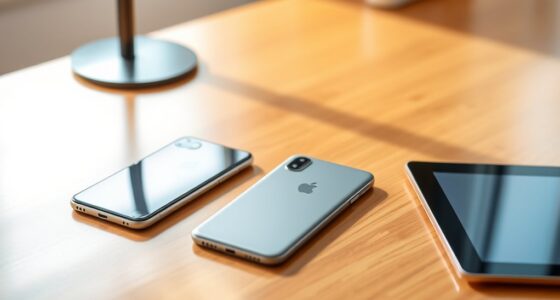
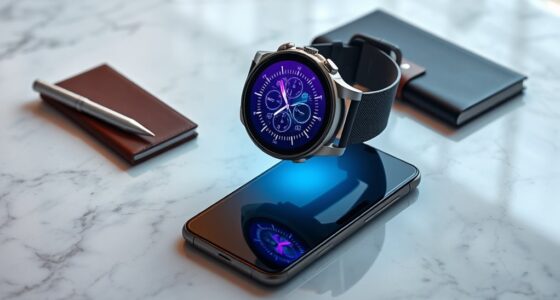
If you’re an elite user, you’ll likely prefer Apple over Android for its consistent branding, sophisticated design, and seamless ecosystem that reinforce a sense of exclusivity and status. Apple’s reputation for luxury and attention to detail makes their devices a symbol of success. While high-end Android options exist, they often lack the unified luxury aura Apple offers. To discover why Apple remains the top choice among the wealthy, there’s more to uncover on what’s behind their prestige.

Get your wardrobe favorites delivered free with Prime
- Fast, free delivery on millions of items
- Prime Video, Amazon Music and more included
- Member-only deals all year
Key Takeaways
- Luxury users tend to prefer Apple for its consistent brand image of exclusivity and prestige.
- Apple’s sleek, minimalist design reinforces its appeal among high-end consumers seeking status symbols.
- Android’s diverse ecosystem offers options but often dilutes the perception of luxury and exclusivity.
- High-end Android brands like Samsung and Vertu attract luxury users, but lack the unified luxury branding of Apple.
- Overall, Apple is more favored by elite consumers due to its curated ecosystem and strong luxury branding.
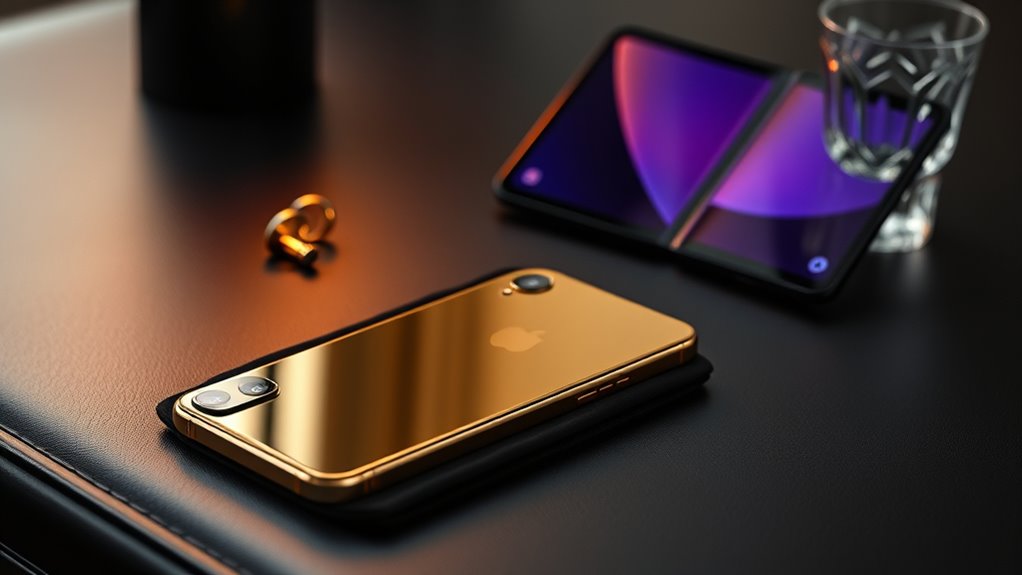
When choosing between Apple and Android for the elite, the decision often boils down to personal preference and specific needs. If you’re someone who values luxury branding, Apple’s reputation for premium design and exclusivity makes it a natural choice. Apple has meticulously crafted its brand image to appeal to high-end users who seek more than just functionality—they want a symbol of status. The sleek, minimalist aesthetic of iPhones and MacBooks radiates sophistication, reinforcing a sense of user exclusivity. Owning an Apple device often feels like joining an elite community, one that’s associated with innovation, quality, and prestige. This perception isn’t accidental; Apple’s marketing consistently emphasizes its luxury appeal, positioning its products as more than just gadgets—they’re statements of success.
In contrast, Android offers a broader range of devices, which means you have more options for customization and price points. For the luxury user, this can be appealing if you’re looking for exclusivity through unique or limited-edition models. High-end Android brands like Samsung’s Galaxy Z Fold series, or luxury collaborations like Vertu, aim to cater to those who want distinctive, high-status devices. However, the challenge lies in the perception of user exclusivity. Android’s open ecosystem and diversity of manufacturers sometimes dilute the sense of belonging to an exclusive club, especially when compared to Apple’s tightly controlled, brand-centric approach. Additionally, brand perception significantly influences how luxury users view and choose their devices.
That said, some luxury users prefer Android because it offers more personalization. If you want your device to reflect your individual style, Android’s flexibility allows you to customize everything from interface themes to hardware features. But this can also be a double-edged sword—without a unified luxury branding strategy, Android devices often lack the cohesive aura of exclusivity that Apple cultivates. Apple’s ecosystem fosters a seamless, curated experience that reinforces its premium image, making it easier for users to feel part of an elite circle. Android devices, while sometimes just as luxurious, depend heavily on the brand and model you choose, which can impact the perception of exclusivity.
Ultimately, your choice hinges on what matters most: if you prioritize luxury branding and user exclusivity as core elements of your identity, Apple’s refined image and consistent branding often make it the preferred option among the elite. On the other hand, if you value customization and unique features, Android can offer a form of exclusivity through rarity and personalization, even if it doesn’t always carry the same prestige.
Frequently Asked Questions
Do Luxury Users Prioritize Security Features Over Brand Loyalty?
You prioritize security features over brand loyalty because a strong security focus reassures you, especially as a luxury user. Brand perception matters, but when it comes to protecting your sensitive data, you value the security focus more. You’re willing to switch brands if it means enhanced security, showing that your choices are driven by practical needs rather than just brand prestige. Security takes precedence over loyalty in your decision-making process.
How Does Customization Influence Elite Users’ Choice Between Apple and Android?
You find that customization considerably influences your choice between Apple and Android. If personalization preferences and aesthetic customization matter most, Android appeals more because it offers extensive options to tailor your device’s look and feel. You enjoy creating a unique aesthetic that reflects your style, which Android’s open system supports better. Apple’s streamlined design may limit your ability to customize, so you lean toward Android for more personalization freedom.
Are There Specific Premium Android Brands Preferred by High-End Consumers?
You’ll find that high-end consumers often favor brands like Samsung’s Galaxy Z Fold series, which boasts a 78% brand loyalty rate among luxury buyers. These premium Android brands are preferred because they offer cutting-edge features, sleek designs, and customization options that appeal to elite users. Their reputation for innovation makes them stand out, ensuring you get the latest technology combined with exclusivity, aligning perfectly with your desire for premium quality.
How Important Is Ecosystem Integration for Luxury Technology Buyers?
Ecosystem integration is essential for luxury technology buyers, as it enhances your brand loyalty and creates a seamless experience across devices. You value smooth connectivity between your smartphone, tablet, and wearable, making your daily tasks more efficient. When a brand offers superior ecosystem integration, you’re more likely to stay loyal, appreciating how effortlessly everything works together. This integration elevates your overall tech experience and reinforces your preference for premium brands.
Do Luxury Users Value Exclusivity or Technological Innovation More?
You value exclusivity more than innovation, seeking brand prestige over cutting-edge features. For luxury users, exclusivity symbolizes status and uniqueness, making it a priority over technological innovation. While advanced features matter, they often take a backseat to the allure of owning something rare and prestigious. Ultimately, you prefer brands that uphold exclusivity, reinforcing your sense of distinction rather than just chasing the latest technological advancements.
Conclusion
So, whether you favor the finesse of Apple or the diversity of Android, remember that your choice reflects your style and stature. The preference for premium products isn’t just about performance but about projecting power, prestige, and personality. Decide whether you’re drawn to Apple’s allure or Android’s adaptability. Ultimately, your elite electronics echo your exclusive essence. Pick what pleases, projects, and perfectly fits your personalized profile—because your preferred device is your personal proclamation.
Fall Picks
fall essentials
As an affiliate, we earn on qualifying purchases.