
Fountain pen filling systems are designed to store and supply ink through various mechanisms like cartridges, converters, eyedroppers, pistons, vacuum, and diaphragms. Cartridges are quick and mess-free, while converters and piston fillers offer more ink capacity and flexibility. Eyedroppers hold large amounts of ink but require careful handling. Vacuum and diaphragm systems are used in premium pens for larger ink reservoirs. Exploring these options helps you choose the best system—more details await as you continue to explore.
Key Takeaways
- Fountain pen filling systems include cartridges, converters, eyedropper, piston, vacuum, and diaphragm mechanisms, each with unique ink supply methods.
- Cartridges are pre-filled, easy to use, but limited in ink choices, while converters are refillable from bottles for more flexibility.
- Eyedropper and piston fillers hold larger ink volumes, suitable for extensive writing, but require careful handling to avoid leaks.
- Vacuum and diaphragm systems are high-end options offering large ink capacities and complex designs for premium performance.
- Proper understanding of each system’s operation helps in selecting the right filling mechanism and maintaining optimal pen performance.
Have you ever wondered how fountain pens store and supply ink? The answer lies in their carefully designed filling mechanisms that control ink flow, guaranteeing smooth writing and easy refilling. These mechanisms are the heart of a fountain pen’s functionality, allowing ink to move from the reservoir to the nib with consistent flow. Understanding how these systems work helps you choose the right pen and maintain it properly for peak performance. Many materials used in these mechanisms, such as ceramic or recycled products, can impact the durability and eco-friendliness of the pen. Most fountain pens use a variety of filling mechanisms that influence ink flow and how you refill the pen. The simplest is the cartridge system, where a pre-filled ink cartridge snaps into place. This method is convenient and mess-free, but it limits your ink choices and requires replacing the cartridge when empty. On the other hand, converter systems give you more flexibility by allowing you to fill the reservoir from bottles of ink. The converter acts like a miniature piston, drawing ink into the pen’s chamber through a twist or plunger mechanism. When you operate the piston, it creates a vacuum that pulls ink through the nib and feed, filling the reservoir without air gaps. This method provides a steady ink flow and better control over ink levels, making it popular among enthusiasts who prefer a wide range of ink colors and types.
Another filling mechanism is the eyedropper system, which involves coating the barrel of the pen with ink directly. You unscrew the barrel, fill it with an eyedropper or syringe, and then screw it back together. This method holds a larger volume of ink and offers an economical choice for those who want extensive ink capacity. However, it requires careful handling to avoid leaks and messes. The piston filler, a more advanced version of the converter, uses a built-in piston mechanism to draw ink directly into the pen’s reservoir. It’s often found in higher-end models because of its durability and ability to hold a significant amount of ink, ensuring a consistent ink flow during writing.
Some fountain pens also use vacuum or diaphragm filling systems, which rely on creating a vacuum or flexible membrane to pull ink into the reservoir. These systems are typically used in premium pens due to their complex design and larger ink capacities. Regardless of the filling mechanism, the goal remains the same: to maintain a steady and reliable ink flow from the reservoir to the nib. Good maintenance and proper refilling are essential to keep the ink flow consistent, prevent ink leaks, and ensure your pen writes smoothly. By understanding these different filling mechanisms, you can better appreciate how each system influences ink flow and choose the right fountain pen to suit your writing style.

Asvine 5 Pack Fountain Pen Ink Syringe Filler, Spring Converter with Removable Blunt Needle Tip
The spring converter works with fountain pen takes 3.4mm converter such as Hongdian fountain pen by removing syringe…
As an affiliate, we earn on qualifying purchases.
As an affiliate, we earn on qualifying purchases.
Frequently Asked Questions
Are Fountain Pen Filling Systems Compatible With All Ink Types?
Not all fountain pen filling systems are compatible with every ink type. You need to take into account ink type compatibility and ink absorption properties, as some systems work better with certain inks. For example, piston fillers typically handle thicker inks, while cartridge converters are versatile but may struggle with very wet or pigmented inks. Always check your pen’s specifications and test different inks to ensure smooth writing without damage or clogging.
How Often Should I Clean My Fountain Pen Filling System?
Did you know most fountain pen enthusiasts recommend cleaning their pens at least once every 4-8 weeks? To keep your pen in top shape, follow simple maintenance tips and clean your filling system regularly. Proper cleaning frequency prevents ink build-up and clogs, ensuring smooth writing. You should clean your fountain pen more often if you switch ink colors frequently or notice ink flow issues, maintaining peak performance.
Can I Convert a Cartridge Pen to a Different Filling System?
Yes, you can convert a cartridge pen to a different filling system, but you need to verify for cartridge conversion and filling system compatibility first. Not all pens are designed for easy conversion, so confirm if your pen’s nib and feed can handle a different system. You might need a conversion kit or seek advice from a specialist to ensure smooth compatibility and proper functioning after the switch.
Do Filling Systems Affect the Ink Flow or Writing Performance?
Think of it like a well-oiled machine—your filling system directly impacts ink flow and writing performance. A good system guarantees smooth ink delivery, preventing skips or blots, and makes writing effortless. Conversely, a poor system can cause inconsistent ink flow, leading to uneven lines and frustration. So, yes, filling systems matter—they can turn your writing experience from a chore into a pleasure or vice versa.
Are There Refillable Options for Vintage or Discontinued Filling Systems?
Yes, you can find refillable options for vintage or discontinued filling systems. Vintage conversions allow you to adapt older pens with modern ink cartridges or converters, making them easier to refill. Discontinued options can often be restored using aftermarket parts or by consulting specialty pen repair shops. This way, you preserve your vintage pens and keep them functional, ensuring you enjoy writing with reliable ink flow without worrying about unavailable original parts.
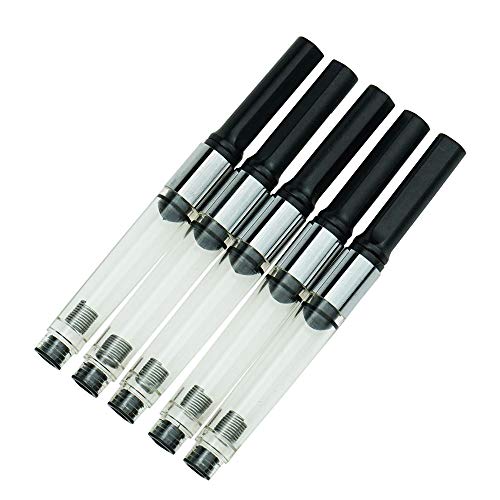
Hongdian Fountain Pen Ink Converter, Pack of 5, Bore Diameter 3.4mm
These converters are compatible with all Hongdian fountain pens except the M2 Series.
As an affiliate, we earn on qualifying purchases.
As an affiliate, we earn on qualifying purchases.
Conclusion
Now that you understand the different fountain pen filling systems, you can choose the perfect one for your writing style. Did you know that over 60% of fountain pen users prefer piston fillers for their reliability? With this knowledge, you’re better equipped to enjoy smooth ink flow and a personalized writing experience. So, go ahead—pick a system that inspires your creativity and makes every word flow effortlessly. Happy writing!

Majohn M2 Eye Dropper Fountain Pen, Large-Capacity Ink Storing, Fine Nib Writing Pen Set for Office/Business/Student/Signature
✔【Unique & Stylish Design】The top of the pipe is designed as a nipple type, which is more stable…
As an affiliate, we earn on qualifying purchases.
As an affiliate, we earn on qualifying purchases.

Asvine V800 Fountain Pen – Vacuum Filling System with Large Ink Capacity – Smooth Number 8 Medium Nib with Gift Case and Wrench – Blue Brown
Vacuum System – The pen's built-in vacuum filling system holds far more ink than a cartridge and lets…
As an affiliate, we earn on qualifying purchases.
As an affiliate, we earn on qualifying purchases.