If you want to guarantee your posters arrive in good condition, poster tubes are the safer choice because their rigid, cylindrical design shields items from bending, creases, and tears during transit. Flat shipping may seem cheaper initially but carries a higher risk of damage without extra protective packaging. Choosing the right option depends on your item’s value and fragility—keeping your posters safe is easier when you understand the pros and cons of each method. Learn more to make the best decision.
Key Takeaways
- Poster tubes provide rigid, cylindrical protection, reducing bending and creasing during transit, making them safer for fragile posters.
- Flat shipping requires careful packaging and padding to prevent damage like creases, tears, or folding, which can compromise safety.
- Poster tubes are especially suitable for valuable or delicate posters, offering better long-term protection and peace of mind.
- Flat shipping may be cost-effective upfront but increases the risk of damage, leading to higher replacement or repair costs.
- Overall, poster tubes are generally safer for fragile or high-value posters, despite higher initial costs, due to superior physical protection.
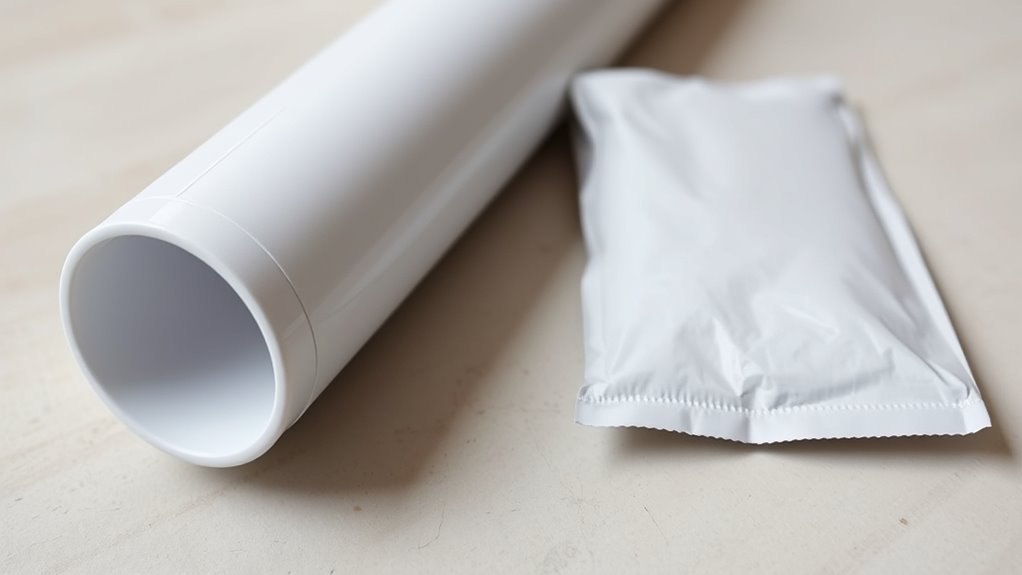
When it comes to shipping posters, choosing the right method can make a significant difference in preserving their quality and ensuring they arrive intact. If you’re sending fragile items like posters, you’ll want to weigh the benefits of poster tubes versus flat shipping options carefully. Each approach offers distinct advantages and drawbacks, especially when considering protection and cost.
Poster tubes are designed specifically for fragile items, providing a sturdy, cylindrical container that minimizes bending and creasing. They keep posters rolled tightly, preventing folds that could damage the print during transit. This method is especially effective if you’re concerned about creases or tears, as the rigid structure acts as a protective barrier around your poster. When comparing costs, poster tubes often seem more expensive upfront than flat shipping options. However, they can save you money in the long run by reducing damages, which might otherwise lead to costly reprints or replacements.
Poster tubes protect fragile posters from creases and tears, saving costs on repairs or replacements over time.
Flat shipping, on the other hand, involves mailing posters in flat envelopes or boxes. This approach can appear cheaper initially, especially if you’re using minimal packaging or standard mailing options. But the risk with flat shipping is that posters can bend, crease, or get folded during transit, especially if the packaging isn’t robust or if handled roughly. For fragile items, flat shipping requires extra careful packaging—using stiff backing boards and protective padding—to mitigate damage risks. While this extra effort can increase shipping costs, flat shipping might still be less expensive than tubes if you’re sending large quantities or bulk posters. Still, the potential for damage and the resulting need for replacements can outweigh the initial savings.
If you prioritize safety and minimizing damage, poster tubes are generally the safer choice. They’re designed specifically for delicate, rolled items, so your posters are less likely to arrive damaged. This makes them ideal for valuable or collectible posters where preservation is key. Conversely, if you’re sending posters locally or in low-risk environments, and cost is a concern, flat shipping with proper packaging can work effectively but with higher vigilance. Additionally, using specialized mailing supplies can further improve protection when opting for flat shipping.
Ultimately, your choice depends on balancing cost and protection. Poster tubes might cost more upfront but offer peace of mind and better protection for fragile items. Flat shipping can save money initially but requires careful packaging and carries a higher risk of damage. Consider the value of your posters, the shipping distance, and how much protection you need to determine the best method for your specific situation.
Top picks for "poster flat shipp"
Open Amazon search results for this keyword.
As an affiliate, we earn on qualifying purchases.
Frequently Asked Questions
Are Poster Tubes Eco-Friendly Options?
Yes, poster tubes can be eco-friendly options if they’re made from biodegradable materials and promote recycling benefits. When choosing a poster tube, look for those crafted from recyclable or biodegradable plastics or cardboard. These options help reduce environmental impact and support sustainability. By selecting eco-conscious materials, you contribute to recycling benefits and minimize waste, making poster tubes a responsible choice for shipping artwork or posters.
How Do Shipping Costs Compare Between Poster Tubes and Flat Mail?
You’ll find that the cost comparison between poster tubes and flat mailing expenses varies. Generally, flat mail tends to be cheaper due to lower shipping fees and simpler handling. Poster tubes might cost more because they require more packaging material and sometimes higher postage rates for thicker items. If you’re aiming to save on shipping, flat mailing options usually offer a more budget-friendly choice, especially for bulk shipments or smaller posters.
Can Fragile Posters Be Shipped Safely Without Tubes?
You can ship fragile posters safely without tubes by carefully choosing sturdy packaging. Think of wrapping your poster like a protective cocoon, with bubble wrap and thick cardboard. Poster durability varies, so opt for reinforced edges and strong materials like cardboard or foam inserts. While tube material options like cardboard or plastic add extra protection, proper cushioning and rigid packaging are key. Visualize your poster as a delicate treasure needing a secure, shock-absorbent shell.
Which Shipping Method Offers Faster Delivery Times?
You’ll find flat shipping generally offers faster delivery times because it involves less packaging and handling, reducing transit times. With flat shipping, your posters are sent directly, often arriving sooner than poster tubes which might require additional processing. If you prioritize quick delivery, opt for flat shipping. However, if safety during transit is your main concern, poster tubes might be worth the slightly longer transit times.
Are There Size Restrictions for Poster Tubes?
Yes, there are size restrictions for poster tubes. You should check with your shipping provider, as they often limit tube lengths to guarantee safe handling and prevent damage. Choosing durable tubes benefits your posters by offering better protection, and recycling benefits are also important—opt for recycled materials when possible. Keep in mind that larger tubes may cost more to ship and might require special handling, so always verify size limits beforehand.
Conclusion
When choosing between poster tubes and flat shipping, think of poster tubes as your superhero shield—offering unmatched protection that can withstand even the fiercest mishandling. Flat shipping might seem simpler, but it’s like sending your artwork through a tornado. For peace of mind and to keep your posters pristine, opt for the tube. After all, you don’t want your precious print to arrive looking like it’s been through a war zone—because it shouldn’t have to endure that!