
You might notice some foods and drinks taste better as they age because fermentation and time develop complex flavors and improve textures. Microbes like bacteria and yeasts break down ingredients, creating richer tastes and aromas, while mellowing tannins in wine or adding depth to cheese. Patience reveal these natural transformations, making each experience unique and more enjoyable. Keep exploring, and you’ll discover how aging can truly elevate your favorite foods and drinks.
Key Takeaways
- Fermentation and aging develop complex flavors and textures that are not present in fresh products.
- Microbial activity during aging creates new taste compounds, enhancing depth and aroma.
- Many foods and drinks, like cheese and wine, mellow and balance over time, improving their overall quality.
- Proper aging allows flavors to harmonize, resulting in a richer and more refined tasting experience.
- Patience in the aging process unlocks the full potential of certain foods and beverages, making them more enjoyable.
Many foods and drinks actually get better with age, revealing complex flavors and textures that can’t be achieved when they’re fresh. This phenomenon is especially true for items that undergo fermentation, a natural process that transforms ingredients through controlled microbial activity. When you allow certain foods and beverages to mature, you unlock a range of fermentation benefits that enhance their depth and character. Instead of rushing to consume them immediately, giving these items time to develop can elevate your tasting experience significantly.
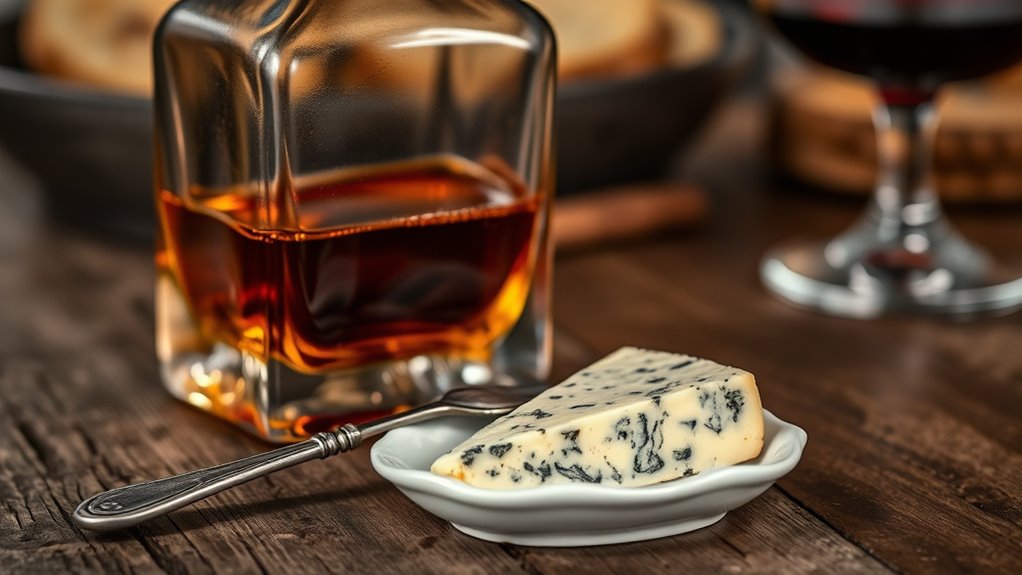
Fermentation benefits go beyond just preserving food; they actively contribute to flavor development. During fermentation, microbes such as bacteria, yeast, and molds break down sugars and other compounds, creating new molecules that add complexity. This process often results in subtle tangs, umami notes, and nuanced aromas that aren’t present in their fresh counterparts. For example, a young cheese may taste mild and simple, but a well-aged cheese boasts a rich, layered profile that rewards patient maturation. Similarly, fermenting vegetables like cabbage into sauerkraut or kimchi results in a tangy, savory flavor that deepens over time, making each bite more satisfying.
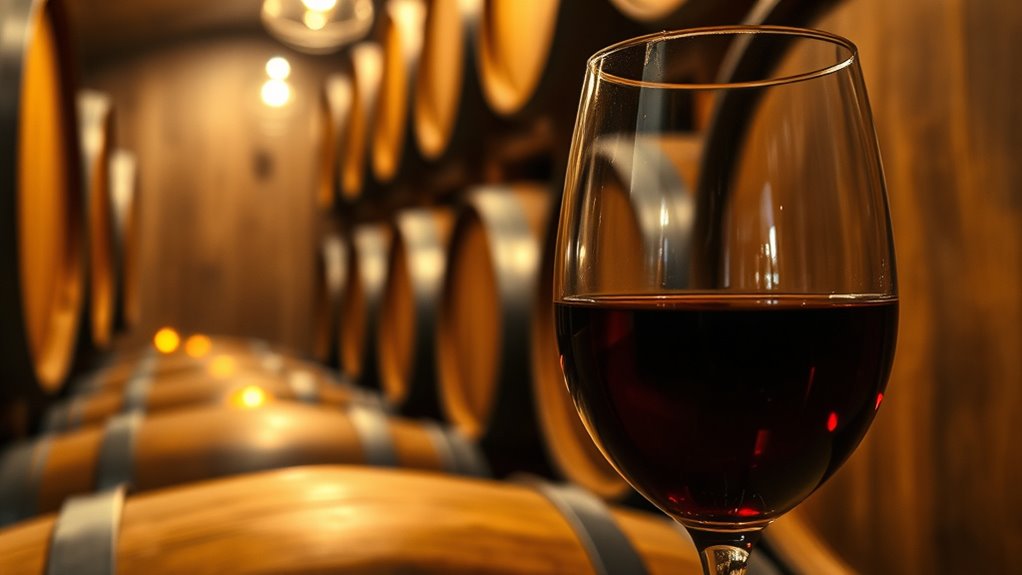
As you experiment with aging foods and drinks, you’ll notice that patience pays off. The textures also transform, becoming softer, firmer, or more pliable depending on the product. For instance, aging wine allows tannins to mellow, resulting in a smoother, more balanced drink. With spirits like whiskey or brandy, extended aging in barrels imparts complex woody, caramel, and vanilla notes that can’t be replicated in a young version. The same principle applies to fermented foods—over time, they become more palatable, with flavors harmonizing and intensifying.
Understanding the science behind fermentation benefits can help you appreciate why some foods improve with age. It’s not just about waiting; it’s about nurturing bacteria and yeasts to do their work, creating richer, more intricate flavors. When you give your foods and drinks the appropriate environment and time to mature, you’re essentially guiding a natural transformation. This patience often leads to unique tasting experiences, where each bite or sip reveals layers of flavor that develop gradually, rewarding your effort and anticipation.
In the end, aging foods and drinks isn’t just about tradition or superstition; it’s a deliberate process that enhances quality through fermentation benefits and flavor development. When you embrace this, you open yourself to a richer, more complex culinary world where waiting becomes an essential part of the pleasure.
Top picks for "gracefully some food"
Open Amazon search results for this keyword.
As an affiliate, we earn on qualifying purchases.
Frequently Asked Questions
How Does Aging Affect the Nutritional Value of Certain Foods?
Aging can enhance the fermentation benefits of certain foods, making nutrients more bioavailable and easier to digest. However, it also causes nutritional decay in some cases, reducing vitamin content and overall freshness. You benefit when you consume aged foods like cheese or fermented vegetables, as they develop richer flavors and improved probiotic qualities. Just be mindful of potential nutrient loss over time to maximize health benefits.
Can All Foods Improve With Age, or Only Specific Types?
Like a fine vintage, only specific foods improve with age. You’ll find that fermented items, such as cheeses, wines, and cured meats, benefit from fermentation processes that enhance flavor development over time. Most foods don’t get better with age—fresh produce, grains, and meats typically spoil or lose quality. So, focus on those that naturally undergo fermentation, as their flavors deepen and improve, making aging a key part of their appeal.
What Are the Risks of Consuming Aged Foods or Drinks?
Consuming aged foods or drinks carries risks like food contamination, which can lead to foodborne illnesses, and allergen development, especially if stored improperly. You might also encounter mold or bacteria growth that aren’t safe to ingest. To stay safe, always check for signs of spoilage, proper storage conditions, and expiration dates. If unsure, it’s best to avoid consuming questionable aged products to prevent health issues.
How Should Aged Foods Be Stored to Maintain Quality?
You should store aged foods in a cool, dark place, ideally between 50-55°F, to maintain quality. Use airtight containers to prevent mold and moisture. Regularly check for mold and discard if you see any. Proper storage tips can extend shelf life by up to 20%. Remember, mold prevention is key to preserving flavor and safety, so keep humidity low and avoid temperature fluctuations.
Are There Health Benefits Linked to Consuming Aged Foods and Beverages?
Yes, consuming aged foods and beverages can offer health benefits. You benefit from fermentation benefits, which promote gut health and improve digestion. Additionally, many aged foods develop antioxidant properties that help protect your cells from damage. By enjoying these foods, you support your immune system and overall well-being. Just remember to choose quality aged items and consume them in moderation for the best health effects.
Conclusion
So, it’s no coincidence that some foods and drinks get better with age—they’re simply meant to be savored over time. As you enjoy a well-aged cheese or a fine wine, you might realize it’s like life itself: the more patience you have, the richer the experience becomes. Next time you see those bottles or blocks, remember, aging gracefully isn’t just for people—it’s a delicious journey that rewards those who wait.