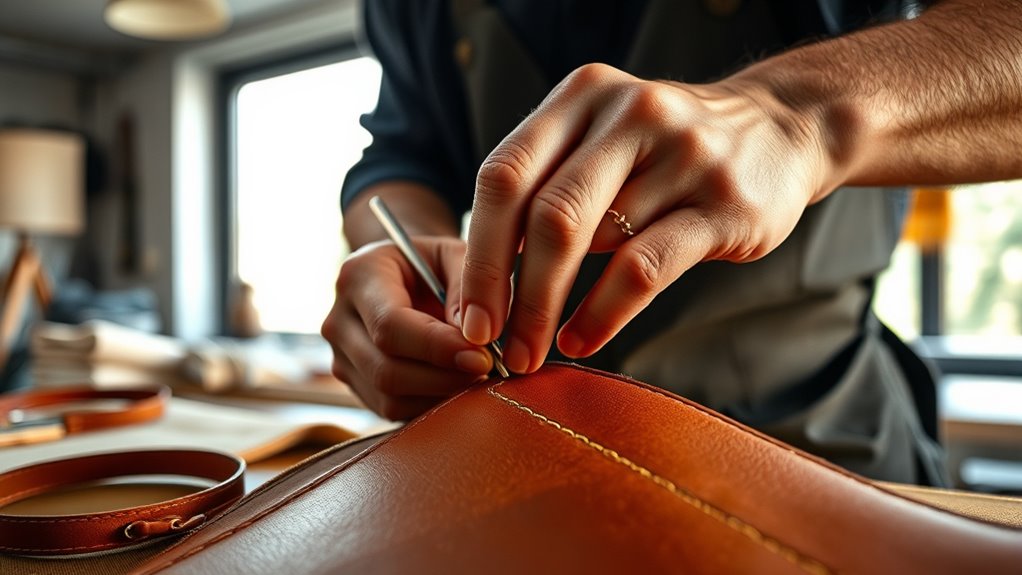

When a luxury piece is labeled “handmade,” it means skilled artisans spend hours, sometimes days, carefully crafting each item with traditional techniques like embroidery or leatherwork. Every piece reflects expert craftsmanship, attention to detail, and personal artistry. These items are created ethically, using responsibly sourced materials that support sustainability and fair labor. By choosing handmade, you’re investing in quality, durability, and ethical practices—discover the true depth behind the label as you explore more.
Key Takeaways
- Handmade luxury fashion involves skillful artisans using traditional techniques like embroidery and leatherworking, ensuring each piece is unique.
- It emphasizes meticulous craftsmanship, preserving artisanal methods that elevate quality, exclusivity, and artistic value.
- Ethical sourcing and sustainability are integral, with responsible raw material procurement and fair labor practices.
- The labor-intensive process results in durable, high-quality products that require hours or days to complete.
- “Handmade” signifies artistry, integrity, and social responsibility, adding meaning and value beyond aesthetics.
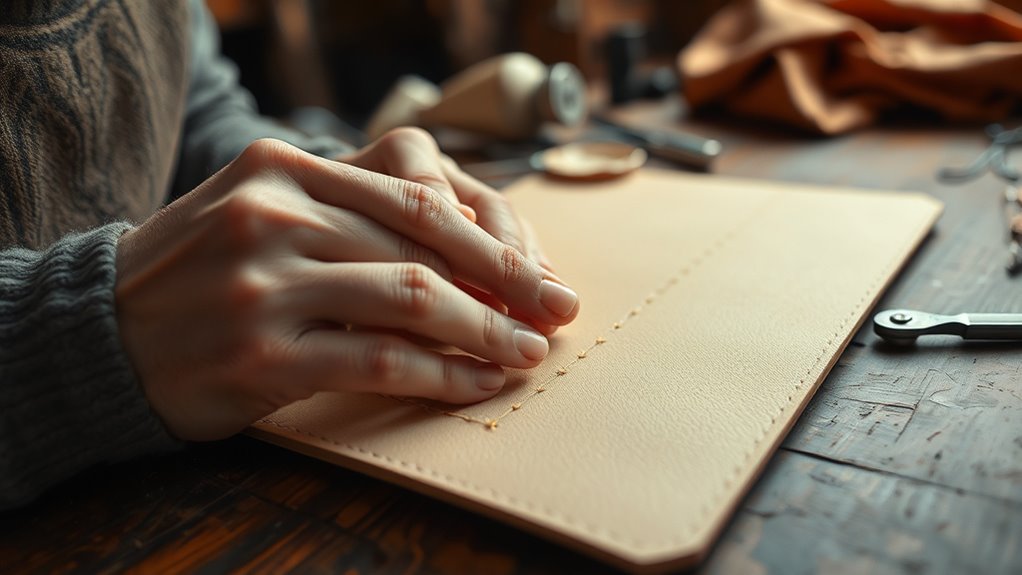
When you see the label “handmade” on a luxury fashion piece, it often promises exceptional craftsmanship and exclusivity. But what does that really entail? At its core, handmade indicates that skilled artisans have dedicated time and expertise to create each item, often using craftsmanship techniques passed down through generations. These techniques can include intricate embroidery, precise leatherworking, or delicate beadwork, all performed by hand rather than mass-produced by machines. The emphasis on craftsmanship techniques ensures that each piece becomes a unique work of art, carrying the artisan’s personal touch and meticulous attention to detail. This level of skill not only elevates the quality but also signifies a commitment to preserving traditional methods that are increasingly rare in today’s fast-paced fashion industry. Additionally, handmade production often involves the use of specialized tools that require years of training to master, further highlighting the artisan’s expertise.
Handmade luxury pieces showcase expert craftsmanship, personal artistry, and a dedication to traditional techniques that elevate quality and exclusivity.
In addition to craftsmanship techniques, a true handmade piece often involves sourcing ethical materials. This means that the raw materials—whether it’s leather, fabrics, or embellishments—are obtained responsibly, respecting both the environment and the communities involved. Ethical sourcing ensures that artisans and farmers are paid fairly, and that sustainable practices are followed to reduce environmental impact. When you buy a luxury item labeled handmade, you’re supporting a supply chain that prioritizes transparency and social responsibility. It’s about more than just the final look; it’s about the story behind each material and the positive impact of your purchase.
The process of creating handmade luxury fashion is labor-intensive, requiring patience and precision. Artisans often spend hours, sometimes days, on a single piece to achieve a flawless finish. This dedication results in products that are not only beautiful but durable, standing the test of time far better than mass-produced alternatives. When you hold a handmade item, you’re holding a piece that has undergone careful craftsmanship techniques, ensuring the highest quality standards. The choice to source ethical materials further enhances its value, aligning your fashion choices with a commitment to sustainability and social responsibility.
Ultimately, “handmade” in luxury fashion isn’t just a marketing term—it’s a reflection of artistry, tradition, and integrity. By understanding what goes into these pieces, you can appreciate the skill and ethical considerations behind each creation. When you invest in handmade luxury, you’re embracing a level of craftsmanship that celebrates human talent and supports responsible sourcing, making your purchase meaningful as well as stylish.
Frequently Asked Questions
How Is “Handmade” Verified in Luxury Fashion Brands?
You verify “handmade” in luxury fashion by checking craftsmanship standards and authentic verification processes. Brands often provide detailed documentation, certificates, or transparent storytelling about their artisans’ skills. You can also look for signatures, unique markings, or specific techniques that confirm genuine craftsmanship. Trusted brands maintain rigorous standards and transparency, ensuring that each piece is authentically handmade, meeting high-quality benchmarks and ensuring your confidence in its authenticity.
What Are the Main Differences Between Handmade and Machine-Made Luxury Items?
Think of handmade luxury items as a finely woven tapestry, each thread representing craftsmanship techniques and material sourcing. Unlike machine-made pieces, which are assembled swiftly with automation, handmade items showcase meticulous attention to detail, unique imperfections, and personal artistry. You’ll notice the difference in texture, finish, and overall quality, as skilled artisans dedicate time and expertise, making each piece a one-of-a-kind masterpiece rooted in tradition and tradition.
Does “Handmade” Status Affect the Durability of Luxury Products?
Yes, “handmade” status can enhance the durability of luxury products. When artisans use expert techniques, they often pay closer attention to detail, ensuring each piece is carefully crafted. This meticulous process, combined with high-quality materials, results in a more resilient item. You’ll notice that handmade luxury pieces tend to last longer because of the craftsmanship involved, making them a worthwhile investment for durability and timeless appeal.
Are There Regional Variations in What “Handmade” Means?
Yes, there are regional variations in what “handmade” means. You’ll notice that cultural perceptions influence how craftsmanship is valued and interpreted across different areas. For example, European regions may emphasize traditional techniques and artisanal mastery, while Asian craftsmanship might focus on intricate detailing and innovative methods. These differences shape your understanding of “handmade” and highlight the unique regional craftsmanship that elevates luxury products worldwide.
How Does the Cost of Handmade Luxury Items Compare to Factory-Produced Ones?
You’ll find that handmade luxury items cost considerably more than factory-produced ones, mainly due to the artisan craftsmanship involved. Skilled artisans dedicate hours, sourcing high-quality materials carefully to guarantee superior quality. This meticulous process increases costs, but it guarantees a unique, durable product. While factory-made items are cheaper and faster to produce, handmade pieces reflect a higher level of craftsmanship, authenticity, and exclusivity, justifying their premium price.
Conclusion
When you hold a handmade luxury piece, you’re cradling a story woven with skilled hands and timeless passion. Every stitch and detail paints a vivid picture of dedication, like a carefully spun tapestry alive with history. Remember, behind the label lies a world where craftsmanship breathes life into each creation, transforming mere materials into wearable art. So, next time you wear that piece, know you’re carrying a piece of artistry, stitched with love and centuries of tradition.