The tennis bracelet got its name from a famous incident involving tennis star Chris Evert, who paused a match to find her missing bracelet, turning a simple accessory into a symbol of elegance and resilience. Originally a sleek line of diamonds or gemstones, its design has evolved with innovations like micro-pavé settings and diverse styles, all while maintaining its timeless charm. Curious about how this accident turned into a lasting jewelry icon? Keep exploring to uncover its fascinating story and latest trends.
Key Takeaways
- The tennis bracelet gained fame after Chris Evert’s 1987 incident where she paused her match to find her missing bracelet.
- The event highlighted the bracelet’s elegance and resilience, turning it into a symbol of grace under pressure.
- Originally designed as a simple, continuous row of gemstones, its style evolved with innovative setting techniques.
- The incident transformed the bracelet from a jewelry piece into a personal and iconic symbol of achievement and perseverance.
- Today, it remains a versatile and meaningful accessory, embodying elegance born from a happy, unexpected moment.
Have you ever wondered why the tennis bracelet has become a timeless jewelry staple? Its story is rooted in both history and personal moments, which is part of what makes it so special. Originally, this elegant piece gained recognition in the 1980s when tennis star Chris Evert famously paused her match to search for her missing bracelet. That incident turned the jewelry piece into a household name and cemented its place in sports and fashion history. The significance of this moment transformed the bracelet from a simple accessory into a symbol of elegance, resilience, and personal connection. Over time, its popularity skyrocketed, and it became a must-have for women seeking a versatile, luxurious piece. Today, it’s often associated with celebrating milestones, making it more than just jewelry—it’s a keepsake full of meaning.
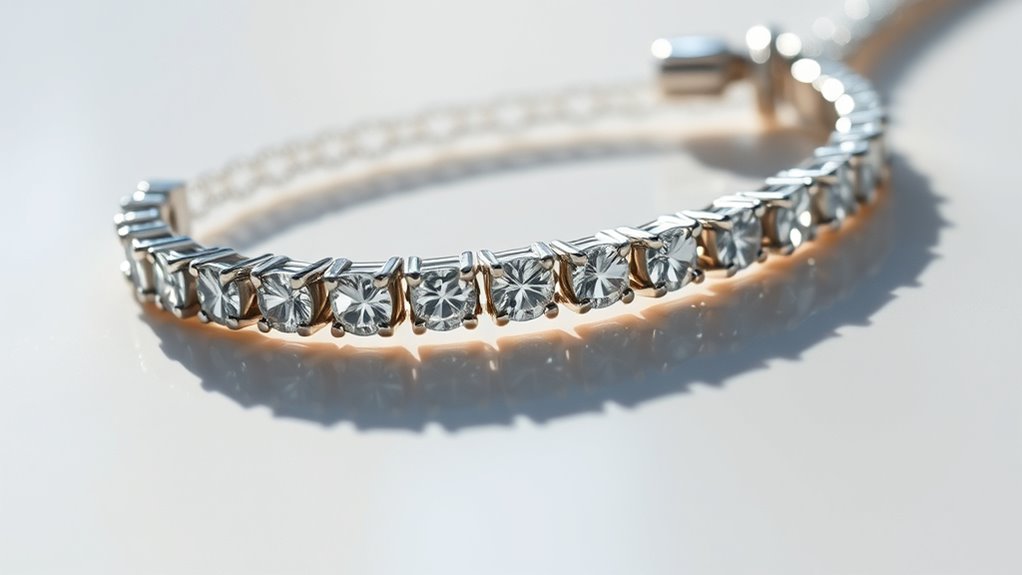
The design evolution of the tennis bracelet reflects a blend of tradition and modern innovation. Originally, these bracelets featured a single row of diamonds or gemstones set in precious metals like gold or platinum. The focus was on simplicity and sparkle, allowing the brilliance of the stones to take center stage. As demand grew, jewelers began experimenting with different styles, enhancing the bracelet’s appeal with varying shapes, cuts, and settings. Some added intricate metalwork or used different gemstone colors to create unique looks that catered to personal tastes. The classic design has remained largely unchanged, but today’s tennis bracelets often incorporate newer techniques like micro-pavé settings or flexible, comfortable designs that conform better to the wrist. Additionally, advancements in setting techniques have improved the durability and sparkle of these pieces, ensuring they remain a popular choice. Despite these innovations, the core idea endures: a delicate, continuous row of stones that exudes sophistication and grace.
The history significance of the tennis bracelet extends beyond its origins. It symbolizes moments of joy, achievement, and personal stories—whether it’s a gift to mark a milestone or a cherished heirloom passed down through generations. The bracelet’s evolution mirrors societal shifts towards more personalized, expressive jewelry, yet it retains its timeless appeal. Its design has grown more diverse, yet the essence remains the same: a seamless line of sparkling stones that captures light and attention effortlessly. This evolution underscores its adaptability and enduring charm, making it not just a piece of jewelry but a reflection of personal history, style, and resilience. Whether worn casually or for special occasions, the tennis bracelet continues to symbolize elegance born from an unexpected, happy accident—one that turned a simple incident into a lasting fashion icon.

NATALIA DRAKE 1/4 Cttw Wave Link Diamond Tennis Bracelet for Women in Rhodium Plated 925 Sterling Silver Color I-J/Clarity I2-I3
- Clasp Type: Safety clasp with flip-open mechanism
- Diamond Details: ¼ CT TW diamonds, I–J color, I2–I3 clarity
- Bracelet Dimensions: 7.15 inches long, 0.28 inches wide
As an affiliate, we earn on qualifying purchases.
As an affiliate, we earn on qualifying purchases.
Frequently Asked Questions
When Did the Tennis Bracelet First Become Popular?
You’ll find that the tennis bracelet first became popular in the 1980s, thanks to its history evolution and iconic moments. It gained fame when tennis star Chris Evert wore it during matches, making it a symbol of elegance and sportiness. Since then, the bracelet has become a timeless accessory, celebrated for its simplicity and sparkle, solidifying its place in jewelry history and fashion iconography.
What Materials Are Most Commonly Used in Tennis Bracelets?
You’ll find that diamond settings like prong, bezel, and channel are most common in tennis bracelets, securely holding the stones in place. As for metal types, you typically see sterling silver, white gold, yellow gold, and platinum. These materials not only enhance the bracelet’s elegance but also guarantee durability. Your choice depends on your style and budget, but all these options provide a stunning backdrop for the sparkling diamonds.
How Should I Care for and Clean My Tennis Bracelet?
Think of your tennis bracelet as a delicate garden that needs nurturing. To keep it sparkling, follow simple cleaning tips like soaking it in warm, soapy water and gently brushing with a soft cloth. Store it in a soft pouch to prevent scratches. Regular care guarantees your bracelet remains as radiant as the day you first wore it, just like a well-tended garden blooms beautifully over time.
Are There Any Famous Celebrities Known for Wearing Tennis Bracelets?
Yes, many celebrities are known for wearing tennis bracelets, especially during red carpet events. You might have seen star sightings where they showcase stunning tennis bracelets as part of their jewelry look. These bracelets are popular choices for red carpet jewelry because they add elegance and sparkle. When you wear your tennis bracelet, think of it as a timeless piece that’s perfect for making a statement just like your favorite celebrities.
What Are the Different Styles and Designs Available?
You might think tennis bracelets are only classic, but they come in a variety of styles and designs. You can choose from different diamond cuts like round, princess, or cushion, each offering a unique sparkle. Additionally, bracelet clasps vary for security and elegance, such as box or slide-lock clasps. Whether you prefer simple and sleek or ornate and detailed, there’s a tennis bracelet to match your taste and elevate your style.
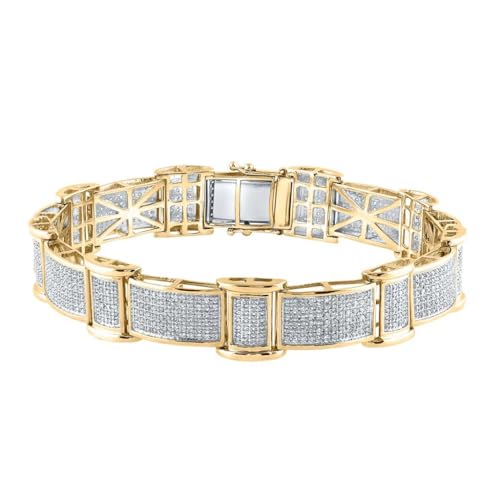
Jewels By Lux 10K Yellow Gold 2 5/8Ct Diamond Micro Pave Tennis Bracelet
- Material: 10K Yellow Gold with Diamonds
- Diamond Weight: 2.5/8 Carats
- Design: Micro Pave Tennis Bracelet
As an affiliate, we earn on qualifying purchases.
As an affiliate, we earn on qualifying purchases.
Conclusion
So, next time you notice a tennis bracelet, remember it’s more than a mere marvel. It’s a marvelous mix-up, a happy accident that happened by chance but shines with charm. Its story shows that sometimes, spontaneous surprises spark the most splendid sparkle. Embrace the accidental allure, appreciating the artful anomaly that makes the tennis bracelet truly timeless. Treasure this tiny, timeless tale of chance turning into a treasured treasure.

Haqptul 18K Gold/Sterling Silver Plated Tennis Bracelet for Women Men Cubic Zirconia White Gold Diamond 3mm Size 6.5-7.5 Inch
- Sparkling Cubic Zirconia Stones: 3mm AAAAA cubic zirconia stones
- Elegant 18K Gold Plating: Timeless gold-plated design
- Unisex Versatile Style: Suitable for women and men
As an affiliate, we earn on qualifying purchases.
As an affiliate, we earn on qualifying purchases.

PAVOI Zirconia Cubic CZ Classic Tennis Bracelet for Women, White Gold
- Elegant cubic zirconia accents: 2mm sparkling stones along chain
- Adjustable length: Up to 9.5 inches for perfect fit
- Premium quality materials: Rhodium plated with AAAAA cubic zirconia
As an affiliate, we earn on qualifying purchases.
As an affiliate, we earn on qualifying purchases.